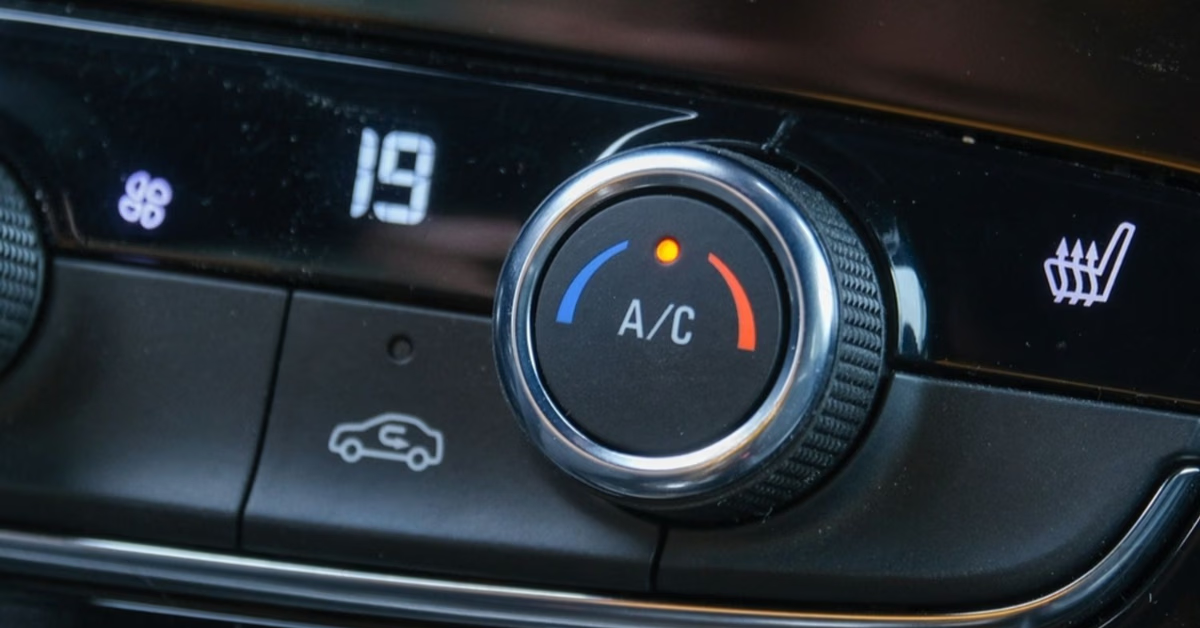
In a major move aimed at increasing transparency and helping consumers make smarter decisions, the Indian government has mandated mileage testing of passenger vehicles with air conditioning (AC) both turned ON and OFF. This new regulation is set to change the way fuel efficiency figures are calculated, advertised, and understood by buyers across the country.
Until now, most mileage figures displayed by car manufacturers were tested under ideal conditions with the AC switched off. However, in real-world driving—especially in India’s hot climate—drivers almost always use air conditioning. This gap between claimed mileage and actual fuel economy has often led to confusion, dissatisfaction, and higher ownership costs.
The new rule is expected to bridge that gap and offer realistic fuel efficiency data, empowering Indian buyers to make informed decisions before investing in a new car.
Why the Government Introduced AC-On Mileage Testing
Fuel efficiency is one of the most critical factors for Indian car buyers, especially with rising fuel prices, increasing EMIs, and long-term ownership costs. The government’s decision is driven by three major goals:
- Consumer Transparency – Buyers get more accurate mileage figures that reflect real-world usage.
- Lower Fuel Expenses – Helps customers estimate actual fuel costs before opting for auto loans.
- Environmental Impact – Encourages manufacturers to develop more fuel-efficient engines and AC systems.
With this move, India aligns itself with global automotive standards where real-world testing is becoming the norm.
How Mileage Testing Worked Earlier
Previously, fuel efficiency tests were conducted under controlled laboratory conditions where:
- Air conditioning was switched OFF
- Ideal temperatures were assumed
- Minimal electrical load was applied
While technically accurate, these figures rarely matched real-life driving conditions. As a result, many buyers experienced 10–20% lower mileage than advertised, impacting fuel budgets and long-term savings.
What’s Changing Under the New Rule
Under the updated mileage testing norms:
- Cars will now be tested with AC ON and AC OFF
- Both figures may be disclosed to buyers
- Electrical loads such as infotainment systems may also be considered
- Results will reflect urban driving conditions more accurately
This means mileage figures will no longer feel “too good to be true.”
What It Means for Indian Car Buyers
1. More Realistic Fuel Cost Planning
Buyers can now calculate monthly fuel expenses more accurately, which is especially helpful when managing:
- Car loan EMIs
- Insurance premiums
- Annual maintenance budgets
This is a big win for middle-class families and daily commuters.
2. Smarter Buying Decisions
Two cars with similar prices may deliver very different real-world mileage with AC ON. The new testing helps buyers choose the vehicle that truly offers better value for money.
3. Better Comparison Between Petrol, Diesel & Hybrid Cars
With AC usage included, the real advantage of hybrids and fuel-efficient engines will become clearer, improving long-term resale value and savings.
Will Car Prices Increase Because of This Rule?
In the short term, car prices are unlikely to rise significantly. However, manufacturers may invest more in:
- Efficient compressors
- Lightweight components
- Improved engine tuning
These upgrades could slightly impact production costs in the future, but the long-term benefit of lower fuel consumption outweighs the concern.
Impact on Car Insurance and Resale Value
Accurate mileage data plays a key role in:
- Determining total cost of ownership
- Predicting vehicle wear and tear
- Influencing resale prices
Cars that deliver strong AC-on mileage may enjoy better resale value and attract lower risk perception among insurers, indirectly impacting insurance costs over time.
How Manufacturers Are Likely to Respond
Automakers are expected to:
- Improve AC efficiency
- Optimize engine-AC integration
- Invest in mild-hybrid technology
- Promote real-world fuel savings in marketing
Instead of advertising only high mileage numbers, brands will shift focus toward overall driving efficiency and comfort.
Does This Apply to Electric Cars Too?
While the rule primarily targets internal combustion engine vehicles, electric cars already show range estimates with climate control usage. This makes the move even more relevant as EV adoption grows in India.
For EV buyers, real-world range clarity is crucial for daily commuting and charging planning.
What Buyers Should Look For Going Forward
When purchasing a new car, buyers should:
- Ask for AC-on mileage figures
- Compare real-world fuel efficiency
- Consider long-term fuel savings, not just sticker price
- Factor in insurance, maintenance, and resale value
This holistic approach ensures smarter financial planning and reduced stress over ownership costs.
Final Verdict: A Consumer-Friendly Reform
The government’s decision to mandate mileage testing with AC ON and OFF is a pro-consumer reform that brings honesty and clarity to car buying in India. It empowers buyers, promotes innovation among manufacturers, and aligns advertised figures with real-world performance.
For Indian buyers juggling fuel prices, auto loans, insurance costs, and daily commuting needs, this change could make a real difference in monthly expenses and long-term savings.
In short, this move doesn’t just change numbers on paper—it changes how Indians buy cars.