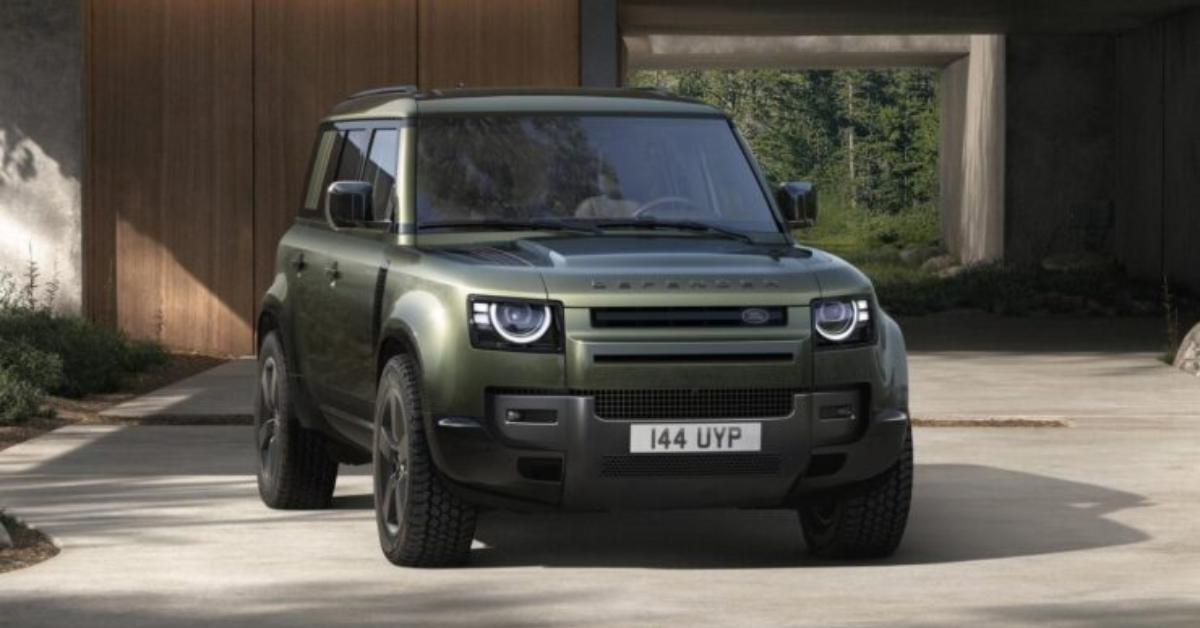
The proposed India-European Union Free Trade Agreement (FTA) is being described as the “Mother of All Deals”, and for good reason. If finalised, this landmark agreement could drastically reduce import duties on European automobiles, potentially cutting luxury car prices in India by nearly half.
For Indian car buyers—especially those eyeing premium and luxury vehicles—this deal could be nothing short of revolutionary. But what exactly is the India-EU FTA, how does it affect car prices, and what does it mean for the Indian automobile industry? Let’s break it down in detail.
What Is the India-EU Free Trade Agreement?
The India-EU FTA is a comprehensive trade pact aimed at boosting economic cooperation between India and the European Union. It focuses on:
- Reducing or eliminating import duties
- Improving market access
- Encouraging investments
- Enhancing trade efficiency
Automobiles form one of the most crucial and sensitive sectors within this agreement, given their high taxation and economic importance in India.
Why European Cars Are So Expensive in India Today
Currently, imported cars in India attract very high customs duties, which significantly inflate their prices. Depending on engine size and vehicle type, import taxes can reach:
- Extremely high duty slabs
- Additional cess and surcharges
- Multiple layers of taxation
As a result, European luxury cars that are reasonably priced abroad become luxury-only products in India, accessible to a very small customer base.
How the FTA Could Slash Car Prices by Up to 50%
One of the biggest highlights of the India-EU FTA is the proposal to dramatically reduce import duties on European vehicles. If these reductions are implemented:
- Import taxes could be lowered in phases
- Price gaps between India and global markets would shrink
- Final on-road prices could drop by nearly half in some cases
This would make European brands far more competitive and accessible in India.
Which Car Buyers Stand to Benefit the Most?
The biggest beneficiaries of this deal would be:
- Luxury car buyers
- Premium SUV customers
- Performance car enthusiasts
- Buyers seeking European build quality and safety
Vehicles that currently feel out of reach due to pricing could suddenly become far more attainable for India’s growing affluent middle class.
Impact on the Indian Luxury Car Market
A massive reduction in prices would:
- Boost demand for imported luxury cars
- Increase showroom footfalls
- Expand luxury car ownership beyond metros
- Push brands to introduce more global models
This could fundamentally reshape how luxury cars are perceived and purchased in India.
What This Means for European Car Manufacturers
For European automakers, the India-EU FTA presents a golden opportunity:
- Access to one of the world’s fastest-growing car markets
- Increased sales volumes
- Stronger brand presence
- Reduced dependency on local assembly
With pricing barriers lowered, brands can focus on offering better technology, performance, and innovation rather than cost-cutting.
Pressure on Indian Car Manufacturers
While buyers may celebrate, domestic carmakers could face increased competition. Affordable European cars would:
- Raise customer expectations
- Push Indian brands to improve quality and safety
- Force aggressive pricing strategies
- Accelerate product upgrades
However, this competition could ultimately benefit consumers by driving innovation across the market.
Employment and Manufacturing Concerns
One concern surrounding the FTA is its potential impact on local manufacturing. Reduced imports could:
- Challenge domestic production
- Pressure localisation strategies
However, increased competition may also encourage:
- Joint ventures
- Technology sharing
- Advanced manufacturing investments in India
The long-term outcome will depend on how the agreement is structured and implemented.
Will Entry-Level Cars Also Become Cheaper?
While the biggest price drops will likely be seen in premium and luxury segments, the ripple effect could extend to:
- Premium mass-market cars
- Entry-level imported vehicles
- Electric and hybrid cars from Europe
This could lead to a broader transformation across multiple price segments.
How the FTA Could Boost EV and Hybrid Adoption
European brands are leaders in:
- Electric vehicle technology
- Hybrid powertrains
- Emission control systems
Lower import costs could:
- Make advanced EVs more affordable
- Speed up clean mobility adoption in India
- Improve technology availability
This aligns well with India’s long-term sustainability goals.
Is the Deal Final Yet?
While negotiations are ongoing, the intent on both sides appears strong. Once finalised:
- Implementation may happen in phases
- Duty cuts could be gradual
- Market impact will increase year by year
Even phased reductions could still result in substantial price benefits for buyers.
Why This Deal Is Being Called the “Mother of All Deals”
The India-EU FTA goes beyond cars. It affects:
- Trade volumes worth billions
- Long-term economic cooperation
- Strategic global partnerships
For the automobile sector alone, it could represent the biggest pricing reset in decades.
Final Verdict
If implemented as expected, the India-EU Free Trade Agreement could completely transform the Indian car market. European vehicles—once considered unattainable luxury products—may soon become surprisingly affordable, especially in the premium and luxury segments.
For buyers, this means more choice, better technology, and improved value. For the industry, it marks the beginning of a new competitive era driven by global standards rather than protectionism.
The “Mother of All Deals” may well be the biggest automotive shake-up India has ever seen.