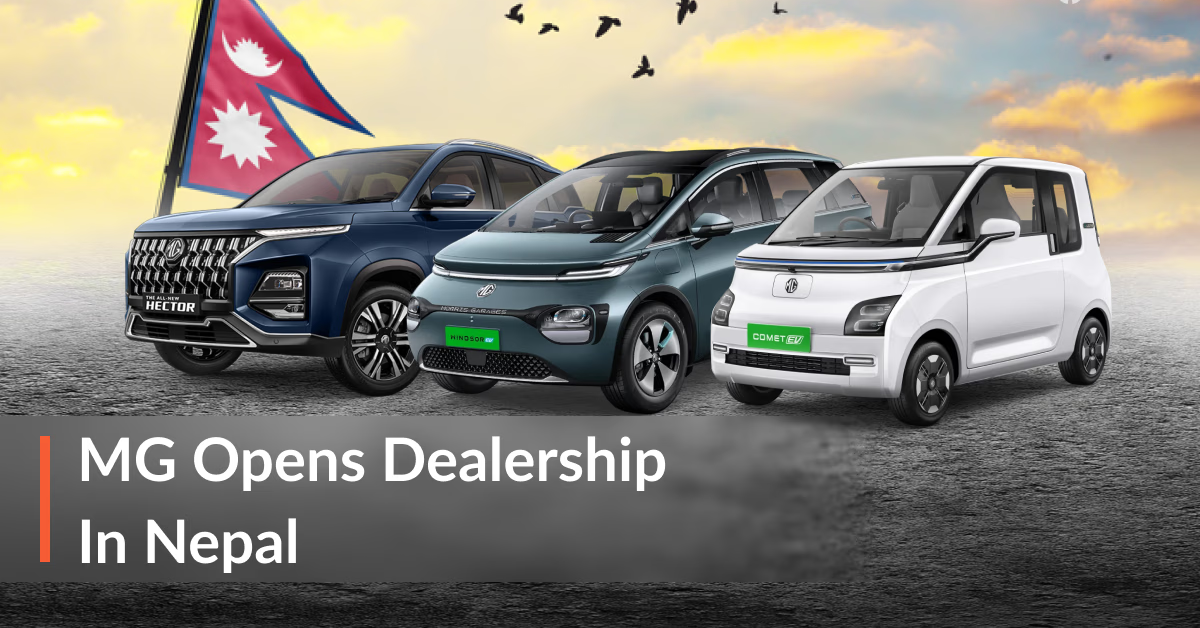
The automobile industry in South Asia is evolving rapidly, and JSW MG Motor India has taken another important step toward strengthening its regional presence by launching a new dealership in Nepal. This move marks a significant milestone not only for the company’s expansion strategy but also for the growing popularity of electric vehicles, premium SUVs, and smart mobility solutions across neighboring markets.
The launch of a dealership in Nepal reflects the company’s long-term vision of building a stronger footprint beyond India while targeting emerging automotive markets with modern technology, connected vehicles, and sustainable mobility solutions.
As demand for premium vehicles and electric mobility continues rising across South Asia, MG’s latest expansion could play a major role in shaping the future of the regional automobile industry.
Here’s a detailed look at what this dealership launch means for the company, customers, EV growth, and the broader automotive market.
Why Nepal Is Becoming An Important Automobile Market
Nepal’s automotive market has witnessed strong growth in recent years, especially in the electric vehicle segment.
Several factors are driving this transformation:
- Rising urbanization
- Growing middle-class population
- Increasing interest in SUVs
- Government support for EVs
- Expanding charging infrastructure
- Demand for premium technology vehicles
Consumers in Nepal are becoming more interested in vehicles that offer modern features, fuel efficiency, advanced safety systems, and environmentally friendly mobility solutions.
This changing market environment creates a strong opportunity for global and regional automobile brands.
JSW MG Motor India’s Expansion Strategy
The launch of a dealership in Nepal is not just about selling more vehicles. It represents a larger strategy focused on regional growth and brand positioning.
MG has been aggressively building its image as a modern automotive brand known for:
- Electric mobility
- Smart connected technology
- Premium SUVs
- Futuristic design
- Advanced infotainment systems
- Affordable luxury experience
By entering neighboring markets, the company aims to strengthen its presence in South Asia’s rapidly evolving automotive ecosystem.
Focus On Electric Vehicles
One of the biggest reasons behind MG’s growing popularity is its strong focus on electric vehicles.
The EV segment in South Asia is gaining momentum because of:
- Rising fuel prices
- Environmental concerns
- Government incentives
- Lower running costs
- Improved charging infrastructure
MG has already built a strong reputation for offering practical electric vehicles with premium features and competitive pricing.
Its Nepal expansion could further accelerate EV awareness and adoption in the region.
Why MG’s EV Strategy Matters
Electric vehicles are no longer limited to luxury buyers. Increasingly, middle-class consumers are considering EVs because they offer:
- Lower maintenance costs
- Reduced fuel dependency
- Smooth driving experience
- Smart connected features
- Long-term savings
MG’s approach combines premium technology with practical usability, helping the brand attract both first-time EV buyers and premium customers.
SUV Demand Continues To Rise
Apart from EVs, SUVs remain one of the strongest segments in the automotive industry.
Consumers today prefer SUVs because they offer:
- Strong road presence
- Spacious interiors
- Higher ground clearance
- Better comfort
- Family-friendly practicality
- Premium styling
MG has successfully positioned itself as a strong SUV brand with vehicles that combine modern design and advanced technology.
The Nepal dealership launch could help the company strengthen its SUV market presence even further.
Importance Of Dealership Expansion
Dealership networks remain critical for automobile companies because they directly influence:
- Customer trust
- Vehicle accessibility
- Service quality
- Brand visibility
- Sales growth
A strong dealership presence helps buyers feel more confident about purchasing and maintaining a vehicle.
For EV customers especially, after-sales support and service accessibility are extremely important.
Better Customer Experience
Modern dealerships are no longer just vehicle showrooms. They now function as complete customer experience centers.
The new dealership is expected to offer:
- Premium vehicle display zones
- Digital customer interaction
- Test drive facilities
- EV consultation support
- Service and maintenance infrastructure
- Connected mobility assistance
This modern retail approach aligns with changing consumer expectations in the automotive industry.
Growing Competition In South Asian Auto Markets
The South Asian automobile market is becoming increasingly competitive as brands expand aggressively across the region.
Manufacturers are now competing heavily in areas such as:
- Electric mobility
- Premium SUV design
- Connected technology
- Smart safety features
- Ownership experience
Companies that build strong regional ecosystems are likely to gain long-term advantages.
MG’s expansion into Nepal demonstrates its ambition to compete beyond India and establish itself as a broader regional automotive player.
Technology Becoming A Major Selling Point
Modern car buyers are no longer satisfied with just engine performance and design.
Technology has become one of the most important purchase factors.
Consumers now expect:
- Large infotainment systems
- Connected car technology
- Voice controls
- Smartphone integration
- Digital instrument clusters
- Advanced safety systems
- Over-the-air updates
MG has consistently focused on offering technology-rich vehicles, which has helped the brand stand out in crowded market segments.
Impact On The Nepal Automobile Industry
The entry and expansion of international automotive brands often contribute positively to local markets.
Possible benefits include:
- Increased consumer choice
- Better service standards
- Stronger EV awareness
- More advanced vehicle technology
- Improved competition
- Growth in automotive infrastructure
Such developments can accelerate modernization within the regional automobile sector.
EV Infrastructure Development Could Increase
As EV-focused brands expand, charging infrastructure development often follows.
This can lead to:
- More public charging stations
- Better charging accessibility
- Faster EV adoption
- Increased confidence among buyers
Infrastructure remains one of the biggest challenges for EV growth, and dealership expansion can help address that concern.
Brand Image And Consumer Trust
Building customer trust is essential in the automotive industry, especially in newer markets.
A physical dealership presence helps strengthen confidence by offering:
- Direct customer support
- Vehicle servicing
- Genuine spare parts
- Professional consultation
- Better ownership experience
For many buyers, after-sales service quality is just as important as the vehicle itself.
Premium Yet Affordable Positioning
One reason MG has gained attention in recent years is its positioning strategy.
The company aims to offer:
- Premium design
- Smart technology
- Modern interiors
- Advanced features
while still maintaining relatively accessible pricing compared to traditional luxury brands.
This balance appeals strongly to younger urban buyers and middle-class families.
Future Of Automotive Expansion In South Asia
The automobile industry across South Asia is expected to evolve rapidly over the next decade.
Major trends likely to shape the future include:
Electrification
More EV launches across all price segments.
Connected Mobility
Vehicles becoming smarter through AI-powered systems and software integration.
Sustainable Transportation
Growing focus on lower emissions and eco-friendly mobility.
Premium Features In Affordable Cars
Luxury technology becoming accessible to mainstream buyers.
Cross-Border Expansion
Automakers increasing presence across neighboring countries.
MG’s Nepal dealership launch reflects many of these emerging trends.
Challenges Ahead
Despite the positive opportunities, expansion into new markets also comes with challenges.
These may include:
- Infrastructure limitations
- Consumer awareness gaps
- Charging network expansion
- Competitive pricing pressure
- Import regulations
- Economic fluctuations
Success will depend on how effectively the company adapts to local customer needs and market conditions.
What This Means For Buyers
For customers, increased competition and dealership expansion are generally positive developments.
Buyers may benefit from:
- More vehicle choices
- Better service quality
- Competitive pricing
- Improved technology
- Faster EV adoption
- Enhanced ownership experience
As brands compete harder, consumers often receive greater overall value.
Final Verdict
JSW MG Motor India’s dealership launch in Nepal marks an important step in the company’s regional growth journey. It highlights the increasing importance of South Asian markets in the global automotive industry and reflects the growing demand for premium SUVs, electric vehicles, and connected mobility solutions.
The expansion also demonstrates how rapidly the automobile sector is changing. Consumers today expect not only stylish vehicles but also advanced technology, smart connectivity, lower running costs, and sustainable transportation options.
With rising EV adoption, expanding SUV demand, and growing interest in premium automotive experiences, MG’s move into Nepal could become an important milestone in shaping the future of mobility across the region.
As the competition intensifies and the market evolves, one thing is clear — the next phase of the South Asian automobile industry will be driven by technology, electrification, customer experience, and strategic regional expansion.