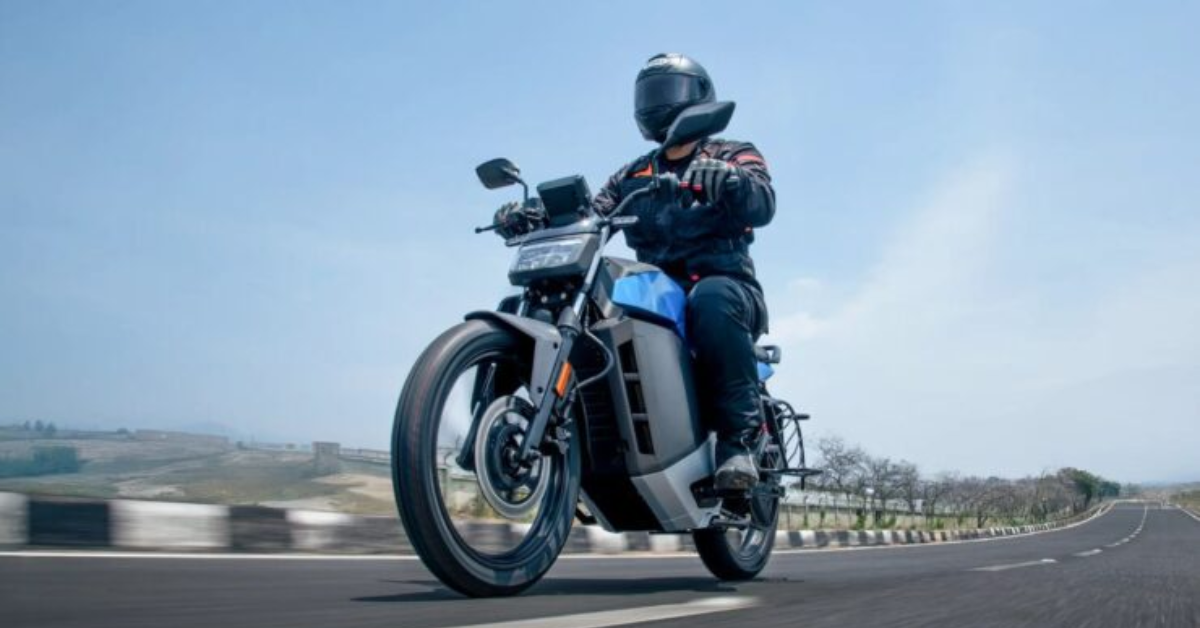
India’s electric vehicle market is entering a new phase of growth, and Ola Electric appears to be making a strong comeback. After facing intense competition, operational challenges, and market pressure over the past year, the company is now witnessing a noticeable surge in registrations during the early months of FY27.
The latest growth trend has sparked fresh discussions across the Indian EV industry. Many analysts and automobile enthusiasts now believe that Ola Electric may finally be entering a recovery phase after a period of slowdown.
The rise in registrations suggests improving consumer confidence, stronger product demand, and growing acceptance of electric mobility across India. As fuel prices remain high and EV infrastructure continues to improve, companies like Ola Electric are once again attracting attention from buyers looking for affordable and technology-driven transportation solutions.
But is this really the beginning of a long-term recovery for Ola Electric, or is it simply a temporary rise in demand?
Let’s take a detailed look at the company’s recent growth, market strategy, product lineup, challenges, and future outlook.
Ola Electric’s Journey in India’s EV Market
Ola Electric entered the Indian market with massive expectations and ambitious plans. The company quickly gained popularity because of its futuristic electric scooters, aggressive pricing, modern technology, and direct-to-customer sales strategy.
The brand positioned itself as a disruptive force in India’s two-wheeler market.
Its electric scooters attracted buyers due to:
- Long claimed riding range
- Smart connectivity features
- Futuristic design
- Competitive pricing
- Fast acceleration
- Large touchscreen display
At one point, Ola Electric became one of the top-selling electric scooter brands in India.
However, rapid expansion also brought several challenges.
Challenges Faced by Ola Electric
Although the company achieved impressive early success, it also faced multiple issues that affected customer confidence and sales momentum.
Some of the major concerns included:
- Service network complaints
- Software glitches
- Delivery delays
- Quality control concerns
- Increasing market competition
- Customer support criticism
As more EV brands entered the Indian market, competition became significantly tougher.
Established manufacturers and new startups began launching electric scooters with improved quality, better service networks, and attractive pricing.
This increased pressure impacted Ola Electric’s market dominance.
Registrations Rising Again in Early FY27
The latest registration figures now suggest that Ola Electric may be regaining momentum.
The company is reportedly witnessing stronger booking numbers and improved registration growth during the initial phase of FY27.
Several factors may be contributing to this recovery:
- Growing EV awareness in India
- Improved service infrastructure
- Better software stability
- New product updates
- Competitive pricing strategies
- Rising fuel prices
This increase in registrations indicates that consumer demand for electric scooters remains strong despite growing competition.
Why Indian Buyers Are Returning to Electric Scooters
Electric two-wheelers are becoming increasingly popular across urban India.
There are several reasons why buyers continue shifting toward EV scooters.
Rising Petrol Prices
Fuel prices remain one of the biggest reasons behind EV adoption. Daily commuting costs for petrol scooters have increased substantially over the last few years.
Electric scooters offer lower running costs, making them attractive for regular commuters.
Lower Maintenance Costs
Electric scooters generally require less maintenance because they have fewer moving parts compared to petrol vehicles.
This reduces long-term ownership expenses.
Government EV Push
Government policies supporting electric mobility continue encouraging EV adoption through incentives and infrastructure development.
Better Charging Infrastructure
Charging stations are gradually expanding in cities and highways, improving convenience for EV owners.
Modern Features
Electric scooters now offer premium technology features that appeal to younger buyers.
Ola Electric’s Product Strategy Could Be Working
One major reason behind the company’s recent recovery may be its aggressive product strategy.
Ola Electric continues focusing on:
- Affordable EV models
- Premium variants
- Performance-oriented scooters
- Software-driven features
- Battery innovation
The company has also been expanding its portfolio to attract different customer segments.
By offering scooters across multiple price ranges, Ola Electric can target:
- Budget-focused buyers
- Urban commuters
- Tech enthusiasts
- Young professionals
- Premium EV customers
This broad product strategy may help strengthen market presence again.
Smart Features Continue to Attract Buyers
One area where Ola Electric continues to stand out is technology integration.
Its scooters are known for offering several advanced features including:
- Large touchscreen displays
- Smartphone connectivity
- Navigation support
- Voice commands
- Ride statistics
- OTA software updates
- Multiple riding modes
- Remote vehicle functions
For many younger customers, these smart features create a futuristic ownership experience.
The company’s focus on software and connected mobility still remains one of its biggest strengths.
Battery Performance and Range Improvements
Battery performance remains one of the most important factors in the EV market.
Customers today expect:
- Better real-world range
- Faster charging times
- Improved battery reliability
- Long-term durability
Ola Electric appears to be focusing heavily on battery optimization and software efficiency.
The company’s scooters are expected to continue offering:
- Competitive range figures
- Fast acceleration
- Urban commuting practicality
- Efficient energy management
Improved battery technology may further strengthen customer trust in the coming years.
Service Network Expansion Could Improve Brand Image
One of the biggest criticisms Ola Electric faced in earlier phases was related to after-sales service.
The company now appears to be focusing more aggressively on improving customer support and service infrastructure.
Expansion plans may include:
- Additional service centers
- Faster repair turnaround
- Improved spare parts availability
- Enhanced customer assistance
- Mobile service support
Better service quality could play a major role in rebuilding long-term customer confidence.
Competition in India’s EV Scooter Market
The electric scooter segment in India has become highly competitive.
Ola Electric now faces competition from several major brands including:
- TVS electric scooters
- Ather Energy
- Bajaj Chetak
- Hero electric models
- Vida EV lineup
- Other emerging EV startups
Each brand is focusing on different strengths such as:
- Performance
- Reliability
- Service quality
- Range
- Affordability
- Technology
To maintain strong market share, Ola Electric will need to continue improving both product quality and customer experience.
Future Expansion Plans Could Drive Growth
Ola Electric is not limiting itself to scooters alone.
The company is also reportedly focusing on:
- New electric motorcycle projects
- Battery manufacturing expansion
- EV ecosystem development
- Charging infrastructure growth
- Software innovation
Future launches could help the company strengthen its overall EV ecosystem and diversify revenue streams.
If successful, Ola Electric could remain one of India’s most influential EV manufacturers over the next decade.
Growing EV Adoption in India Supports Recovery
The overall Indian EV industry is still growing rapidly.
Several market trends continue supporting electric mobility growth:
Urban Traffic Congestion
Electric scooters are highly practical for city commuting.
Rising Environmental Awareness
Consumers are becoming more conscious about sustainable transportation.
Technology Acceptance
Indian buyers now prefer vehicles with connected technology and smart features.
Government Focus on Clean Mobility
Policies promoting EV manufacturing and adoption continue boosting the sector.
These trends create favorable conditions for companies like Ola Electric.
Can Ola Electric Regain Market Leadership?
The recent surge in registrations suggests that the company still holds strong brand recall among Indian consumers.
However, long-term recovery will depend on several critical factors:
- Product reliability
- Customer satisfaction
- Service quality
- Competitive pricing
- Battery performance
- Innovation speed
If the company successfully improves these areas, it may once again become one of the dominant players in India’s EV market.
The competition is now stronger than ever, meaning consistent execution will be essential.
What Buyers Should Expect Going Forward
Customers considering an Ola Electric scooter may expect:
- Better software optimization
- Improved ride quality
- More reliable battery systems
- Expanded service support
- New feature additions
- Updated product lineup
The company’s future growth will likely depend heavily on customer trust and ownership experience.
Final Verdict
The recent rise in Ola Electric registrations during early FY27 could indicate the beginning of a meaningful recovery phase for the company. Despite facing multiple challenges in the past, the brand still maintains strong recognition in India’s rapidly expanding electric two-wheeler market.
With increasing EV adoption, rising fuel prices, improving charging infrastructure, and growing demand for smart mobility solutions, Ola Electric has another opportunity to strengthen its position.
However, long-term success will depend not only on aggressive sales growth but also on delivering consistent product quality, dependable service support, and customer satisfaction.
If Ola Electric manages to improve these crucial areas while continuing innovation, the company could once again emerge as one of the leading forces shaping the future of electric mobility in India.