The Indian Car of the Year (ICOTY) awards have long been considered the most prestigious recognition in India’s automotive landscape, celebrating excellence across design, innovation, performance, and value. With the automotive industry evolving rapidly — powered by electrification, advanced safety systems, and cutting-edge technology — this year’s award process is drawing intense attention.
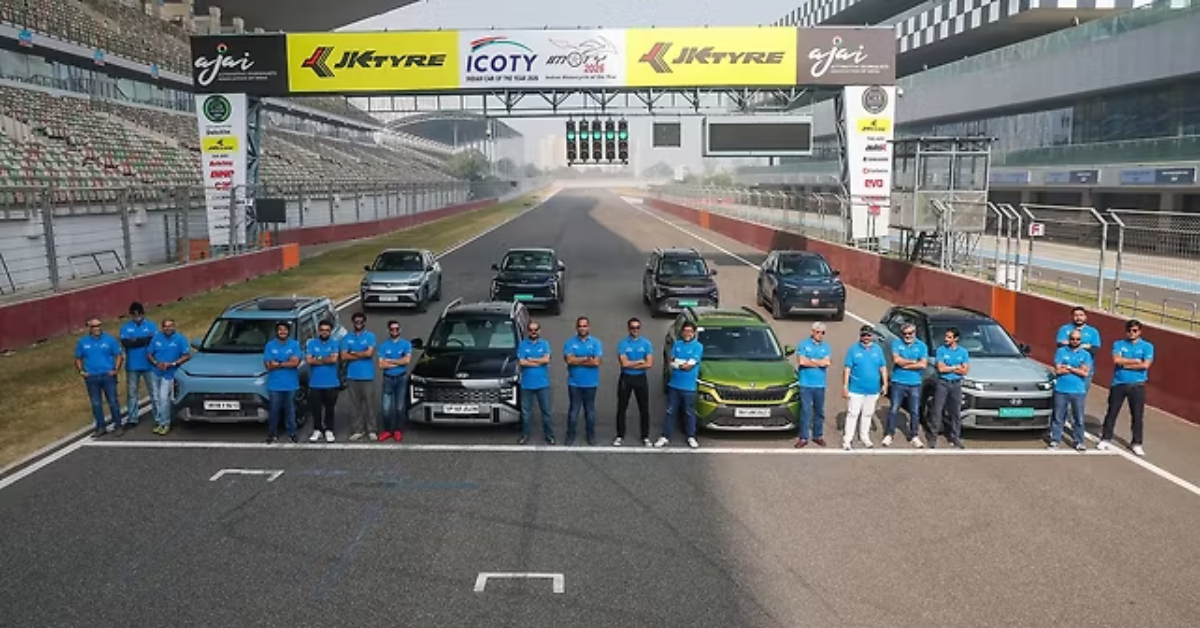
What makes ICOTY stand apart is its rigorous evaluation process, and the most important phase of it is the jury round. As the ICOTY 2026 jury round kicks off, automakers, auto enthusiasts, and buyers alike are watching closely to see which cars rise to the top.
In this blog, we explore the jury selection process, how cars are evaluated, why ICOTY matters, and what sets the 2026 competition apart from previous years.
What Is the ICOTY Jury Round?
The jury round is the most significant and closely watched part of the ICOTY awards. This is where expert judges meticulously review and test all nominated cars to determine which ones set new benchmarks in quality, design, performance, and value. The jury consists of reputed automotive journalists, industry experts, and seasoned reviewers who bring a wealth of experience and technical knowledge to the process.
Unlike public polls or popularity awards, ICOTY’s jury round is performed behind the scenes. Judges evaluate each car based on a range of criteria, ensuring that the final winners truly represent excellence in India’s highly competitive car market.
Who Are the Jurors?
The ICOTY jury is made up of senior automotive journalists, editors, and professionals who have years of experience testing and evaluating cars. These jurors represent diverse perspectives — from daily drivers and family car buyers to performance enthusiasts and technology advocates.
A key strength of this jury system is its impartiality. Rather than focusing on brand reputation or marketing influence, the judges examine how well each car performs in real-world conditions, taking into account both objective measurements and subjective impressions.
How Cars Are Evaluated in the Jury Round
The minute the jury round begins, a comprehensive evaluation plan is put into action. Each nominated car goes through a series of tests and assessments that cover multiple aspects of the vehicle.
Here’s a look at what the jurors typically focus on:
1. Design and Styling
A car’s visual appeal still matters. Jurors evaluate how well the design balances aesthetics, ergonomics, and functionality. This includes exterior styling, interior layout, material quality, and how intuitive the controls feel.
2. Comfort and Practicality
Comfort plays a major role, especially for cars expected to serve as family vehicles. Jury members judge seats for support and comfort over long distances, noise levels inside the cabin, quality of ride on different road conditions, and usefulness of storage and seating layout.
3. Performance and Handling
The way a car accelerates, brakes, and handles turns is critically assessed. Jurors typically test engine response, transmission smoothness, steering precision, and suspension behavior on highways and city streets.
4. Safety
Safety is non-negotiable in today’s automotive environment. The jury assesses crash protection features, structural rigidity, effectiveness of airbags, stability control systems, and driver-assist technologies.
5. Technology and Connectivity
Modern cars are more than just mechanical machines. Jurors evaluate infotainment systems, digital instrument clusters, smartphone connectivity, voice control reliability, and ease of use for tech features.
6. Value for Money
Even if a car excels in features and performance, it must offer good value for the price. This includes running costs, fuel efficiency (or electric driving range), warranty coverage, and long-term reliability expectations.
Why the ICOTY 2026 Jury Round Matters
The automotive industry in India is undergoing rapid transformation. With the shift toward electrification, the rise of connected technologies, and heightened focus on safety and sustainability, the criteria for excellence are evolving too. This has made the jury’s role more demanding than ever.
Here’s why this year’s jury round is particularly important:
1. Electric Vehicles Enter the Mainstream
Electric cars and hybrid models are gaining ground in the Indian market. The jury must now compare traditional internal combustion vehicles with newer electric models in a way that fairly assesses performance, efficiency, and practicality for Indian users.
2. Technology Integration Has Accelerated
Features such as advanced driver assistance systems, over-the-air software updates, and digital dashboards are becoming standard. Evaluating how well these technologies work in day-to-day life has become a key part of the jury’s task.
3. Buyers Are More Informed
Today’s car buyers know what they want — they research, compare, and review cars before choosing. The ICOTY award helps cut through marketing noise and gives prospective buyers a reliable benchmark of quality.
What Happens After the Jury Round?
Once the jury completes evaluations, scores are compiled across all categories. The cars with the highest scores in each category — Overall, Premium, and Green — are then shortlisted as finalists. These finalists are typically revealed ahead of the final award event, building excitement among fans and buyers.
The final winners are announced at a dedicated awards ceremony, where the Best Car of the Year title and other category trophies are presented. Winning an ICOTY award not only brings prestige to the car and its manufacturer, but it also serves as a trusted recommendation for consumers.
What Makes ICOTY Different From Other Awards?
There are several awards in the automotive space, but ICOTY stands out because:
It’s Jury-Driven
Unlike popularity polls, ICOTY relies on expert evaluation, ensuring a more technical and performance-oriented decision.
It Focuses on Real-World Performance
Judges don’t just look at specs on paper — they test cars in real conditions, inspecting comfort, performance, tech usability, and safety.
Multiple Categories Reflect Market Diversity
With separate awards for premium cars and green cars, ICOTY acknowledges that excellence can mean different things depending on the vehicle’s purpose and price point.
It Influences Buyer Choices
Many car buyers view ICOTY winners as trustworthy recommendations, especially when making decisions in crowded segments.
Looking Ahead: Expectations for ICOTY 2026 Winners
As the jury round progresses, industry watchers and car buyers alike are making their own predictions. With a mix of internal combustion models, electric cars, and performance-oriented vehicles in contention, this year’s results are expected to be exciting and potentially surprising.
Buyers are also curious to see whether the shift toward electric mobility will reflect in the final awards, especially for the Green Car category. At the same time, traditional segments like compact SUVs, sedans, and premium cars continue to push the boundaries of value and performance.
Conclusion
The kick-off of the ICOTY 2026 jury round marks the beginning of an intense, meticulous, and insightful evaluation process that will ultimately crown the best cars of the year in India. With the automotive landscape evolving at a rapid pace, the jury’s role has become more important than ever.
As the expert panel continues its assessments — balancing driving experience with cutting-edge tech, safety, and sustainability — car buyers are watching closely. Whether you’re planning a purchase or simply follow automotive industry trends, the ICOTY 2026 results promise to highlight the vehicles that truly stand out.
Stay tuned as the jury completes its evaluations and prepares to reveal the nominees and winners that define excellence in Indian automotive innovation.