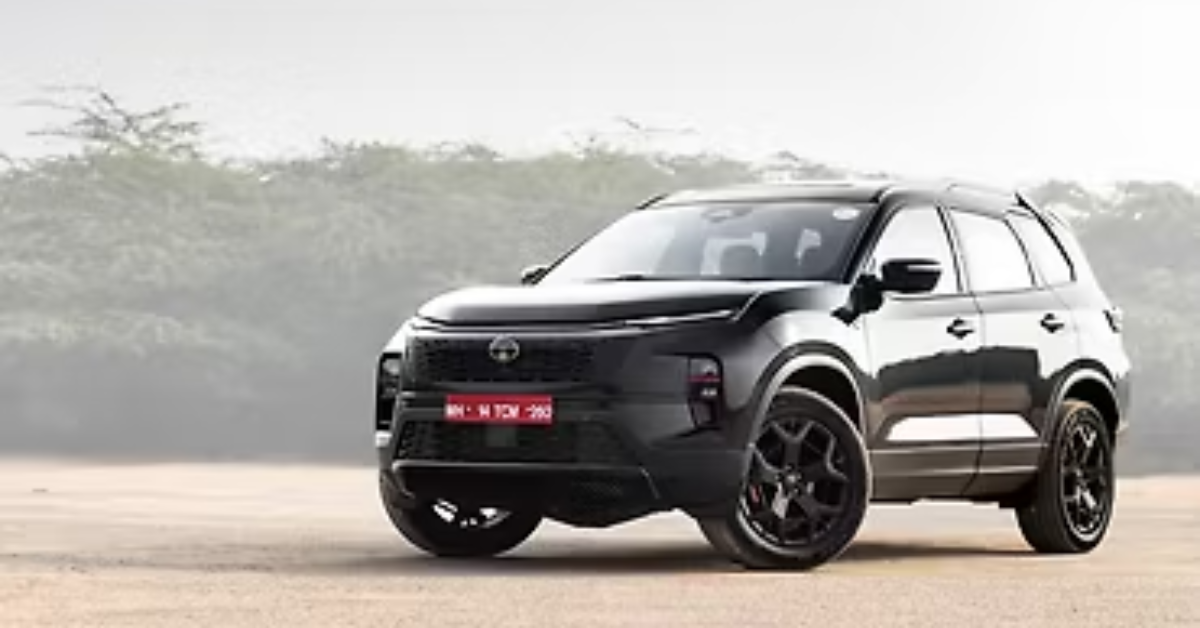
The Indian SUV market has seen consistent price adjustments over the past few years, and now the Tata Safari joins the list with its latest price hike. In 2026, Tata Motors has increased the prices of the Safari, with diesel variants becoming costlier by up to ₹22,000.
This development is important for buyers planning to invest in a premium SUV. While price hikes are not uncommon in the automobile industry, they always raise one key question—is the car still worth the money?
Let’s explore everything in detail, including the reasons behind the hike, updated pricing, features, and whether you should still consider buying the Tata Safari.
Why Has Tata Safari Become More Expensive?
The price hike in the Tata Safari is part of a broader industry trend. Automakers across India have been revising prices due to rising input costs, including raw materials and production expenses.
These cost increases are often passed on to customers to maintain profitability and sustain product quality. While the hike of up to ₹22,000 may not seem huge in percentage terms, it still impacts buyers in the competitive SUV segment.
How Much Has the Price Increased?
The latest revision has primarily affected the diesel variants of the Tata Safari.
- Diesel variants: Price increased by up to ₹22,000
- Petrol variants: Largely unaffected in comparison
- Variant-wise increase: Depends on trim level
Given that diesel versions are already priced higher than petrol variants, this increase makes them slightly more premium than before.
For context, the Tata Safari’s overall pricing typically ranges from around ₹13 lakh to over ₹25 lakh (ex-showroom), depending on the variant.
Diesel vs Petrol: Price Gap Widens Further
The price hike has widened the gap between petrol and diesel variants.
- Diesel models were already costlier due to engine size and torque advantages
- Now, the gap increases further, making petrol variants more attractive for budget buyers
However, diesel engines still offer better mileage and torque, which makes them suitable for long-distance driving and heavy usage.
Engine and Performance Overview
The Tata Safari continues to offer strong performance, especially in its diesel version.
Diesel Engine:
- 2.0-litre engine
- Around 170 PS power
- 350 Nm torque
This engine is known for its strong highway performance and ability to handle heavy loads with ease.
Petrol Engine:
- 1.5-litre turbo petrol
- Smooth city driving experience
- Lower initial cost
Despite the price hike, the diesel engine remains a preferred choice for buyers who prioritize performance and long-distance efficiency.
Features That Justify the Price
Even after the price increase, the Tata Safari remains one of the most feature-loaded SUVs in its segment.
1. Premium Interior
- Large touchscreen infotainment system
- Digital instrument cluster
- Dual-zone climate control
2. Comfort and Space
- 6 and 7-seater configurations
- Ventilated seats
- Panoramic sunroof
3. Safety
- Multiple airbags
- Electronic stability control
- Strong build quality
The Safari has consistently been known for offering a premium experience, which helps justify its pricing.
Impact of Price Hike on Buyers
The increase in price may influence buyer decisions in several ways:
1. Budget Planning
Buyers with a tight budget may now reconsider higher variants or opt for petrol models instead.
2. Variant Selection
Mid-level variants may become more popular as they offer a balance between price and features.
3. Competition Comparison
Customers may compare the Safari more closely with rivals in the same price bracket.
Is the Tata Safari Still Worth Buying?
Despite the price hike, the Tata Safari continues to hold strong value in the SUV market.
Reasons to Buy:
- Strong road presence
- Spacious and comfortable cabin
- Powerful diesel engine
- Premium features
Reasons to Reconsider:
- Increased price of diesel variants
- Rising competition in the segment
- No major feature upgrade with the hike
Overall, the Safari still offers a well-rounded package, especially for families and long-distance travelers.
How It Stands Against Competitors
The SUV segment is highly competitive, with multiple options offering advanced features and pricing strategies.
However, the Safari stands out due to:
- Its bold design
- Strong build quality
- Proven diesel performance
Even after the price hike, it remains a strong contender in the premium SUV category.
Who Should Buy the Diesel Variant Now?
Ideal Buyers:
- Frequent highway drivers
- Large families needing space
- Buyers who prioritize torque and performance
Not Ideal For:
- City-only drivers
- Budget-focused buyers
- Those looking for lower maintenance costs
Future Outlook: Will Prices Increase Further?
Given current market trends, further price adjustments cannot be ruled out. Automakers are continuously facing cost pressures, which may lead to additional hikes in the future.
This means buyers planning to purchase a Safari might benefit from making a decision sooner rather than later.
Pros and Cons After Price Hike
Pros:
- Strong diesel performance
- Premium features
- Spacious and practical
- High brand trust
Cons:
- Increased cost for diesel variants
- No additional features with the price hike
- Higher overall ownership cost
Final Verdict
The Tata Safari price hike of up to ₹22,000 for diesel variants may seem like a drawback at first, but it does not significantly reduce the SUV’s overall appeal.
For buyers who value performance, space, and premium features, the Safari continues to be a solid choice. However, budget-conscious buyers may now explore petrol variants or mid-spec trims to balance cost and features.
Conclusion
The Tata Safari remains one of the most desirable SUVs in India, even after the latest price hike. While the increase makes diesel variants slightly more expensive, the value it offers in terms of performance, comfort, and reliability still stands strong.
If you are planning to buy a premium SUV in 2026, the Safari continues to be a worthy contender. The key is to choose the right variant based on your budget and usage needs.