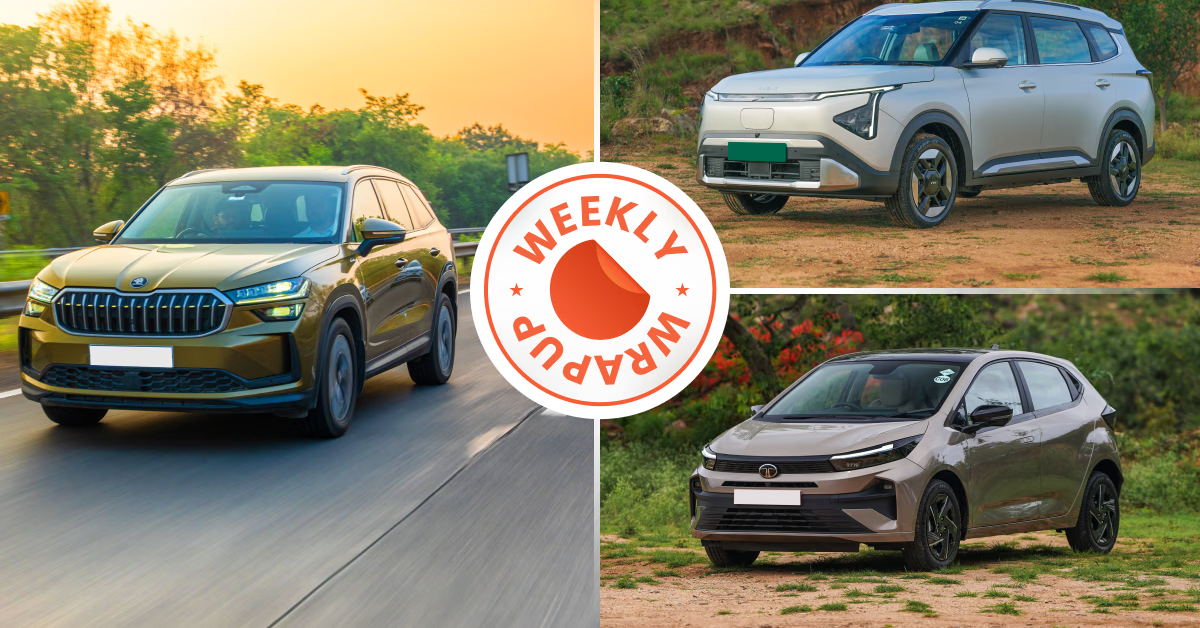
The Indian automobile industry continues to evolve rapidly in 2026 with major updates from leading car manufacturers, electric vehicle advancements, and fuel price fluctuations impacting buyers across the country. This week has been particularly important for the auto sector as several developments grabbed headlines, including the updated Skoda Kodiaq, the much-awaited Kia Carens Clavis EV featuring Battery-as-a-Service technology, and another increase in fuel prices.
From premium SUVs to affordable EV ownership solutions, the automotive market is undergoing a significant transformation. Consumers today are not only looking for performance and luxury but also seeking better efficiency, lower running costs, and future-ready technologies.
Here’s a detailed look at the most important car news highlights from the past week.
Skoda Kodiaq Receives Major Update For 2026
Skoda has officially introduced a key update to its premium SUV, the Kodiaq, making it more attractive for Indian buyers looking for a luxurious family SUV with modern technology.
The updated Skoda Kodiaq now focuses heavily on design refinement, advanced safety features, enhanced infotainment, and improved comfort levels. The SUV has always been known for its European styling and premium cabin quality, but the latest version aims to compete more aggressively in the premium SUV segment.
Exterior Enhancements
The refreshed Kodiaq features:
- Redesigned front grille
- Sharper LED headlamps
- New alloy wheel designs
- Sportier bumper styling
- Improved aerodynamic profile
The SUV now carries a more premium road presence, appealing to urban buyers who prefer sophisticated styling with practicality.
Cabin And Technology Upgrades
Inside the cabin, Skoda has added several premium features including:
- Larger touchscreen infotainment system
- Fully digital driver display
- Ventilated seats
- Wireless smartphone connectivity
- Premium sound system
- Enhanced ambient lighting
The cabin quality has become even more refined with soft-touch materials and improved ergonomics.
Performance And Safety
The SUV is expected to continue with its turbo-petrol engine paired with automatic transmission technology. Skoda has also strengthened the safety package by offering multiple airbags, ADAS features, electronic stability control, and advanced parking assistance systems.
With these updates, the Skoda Kodiaq positions itself as one of the most premium and feature-loaded SUVs available in India.
Kia Carens Clavis EV Introduced With BaaS Technology
One of the biggest headlines this week came from Kia as the company showcased the upcoming Carens Clavis EV featuring Battery-as-a-Service technology.
This development could become a game changer for India’s electric vehicle market.
What Is Battery-as-a-Service (BaaS)?
Battery-as-a-Service allows customers to purchase an electric vehicle without paying the full battery cost upfront. Instead, users can subscribe to battery usage through monthly plans.
This model offers several benefits:
- Lower initial vehicle price
- Reduced ownership burden
- Flexible battery replacement options
- Lower maintenance concerns
- Better affordability for middle-class buyers
The introduction of BaaS technology could significantly improve EV adoption in India.
Kia Carens Clavis EV: What Makes It Special?
The Carens Clavis EV combines practicality, family-focused design, and advanced electric mobility solutions.
Expected Features
The upcoming EV is expected to include:
- Large touchscreen infotainment system
- Connected car technology
- Premium cabin design
- Panoramic sunroof
- ADAS safety package
- Fast charging support
- Long driving range
The vehicle is likely to target urban families who want a spacious EV with lower running costs.
Focus On Affordable Electric Mobility
Kia’s strategy appears to focus on making EV ownership more accessible to Indian consumers. Battery costs often make electric vehicles expensive, but BaaS can reduce the financial pressure on buyers.
This could encourage first-time EV customers to shift from petrol and diesel vehicles to electric mobility.
Fuel Prices Rise Again In India
Another major update affecting millions of vehicle owners this week was the increase in fuel prices across several Indian cities.
The rise in petrol and diesel prices continues to impact household budgets, daily commuters, and transport businesses.
Impact On Car Buyers
The latest fuel price increase may influence customer preferences in several ways:
- Higher demand for hybrid vehicles
- Increased interest in electric cars
- More buyers considering CNG options
- Focus on fuel-efficient SUVs and hatchbacks
Consumers are becoming increasingly conscious about running costs while choosing a new vehicle.
Growing Shift Towards Electric Vehicles
The fuel price hike is also accelerating India’s transition toward electric mobility.
Automakers are now aggressively launching EVs across different price segments. Earlier, electric vehicles were mostly limited to premium buyers, but now manufacturers are targeting middle-class families as well.
Reasons Behind EV Popularity
Several factors are driving EV growth:
Lower Running Cost
Electric vehicles cost significantly less to run compared to petrol or diesel cars.
Government Support
Various subsidies and incentives are encouraging EV adoption.
Expanding Charging Infrastructure
Charging networks are gradually improving across major Indian cities and highways.
Rising Fuel Prices
Continuous increases in petrol and diesel prices are making EVs more attractive.
SUV Segment Continues To Dominate Indian Market
The Indian market continues to witness massive demand for SUVs. Buyers now prefer SUVs over traditional sedans and hatchbacks because of:
- Higher ground clearance
- Better road presence
- Spacious interiors
- Improved comfort
- Modern features
Manufacturers are responding by launching SUVs in every possible price segment.
The updated Skoda Kodiaq is another example of how premium SUV competition is becoming more intense in India.
Premium Features Becoming Common In Mass Market Cars
Another noticeable trend this week is how premium features are now reaching affordable vehicles.
Features once available only in luxury cars are now becoming common in mainstream models.
Popular Features In Demand
Consumers now expect:
- Panoramic sunroof
- Ventilated seats
- ADAS technology
- 360-degree camera
- Wireless charging
- Connected car technology
- Digital instrument cluster
This rising demand is pushing manufacturers to upgrade their vehicles frequently.
Hybrid Cars May Become More Important
With fuel prices increasing and EV infrastructure still developing, hybrid vehicles may emerge as a balanced solution for Indian buyers.
Hybrid cars provide:
- Better mileage
- Lower emissions
- Reduced fuel consumption
- No charging dependency
Several automakers are expected to focus heavily on hybrid technology over the next few years.
Indian Auto Market Becoming More Competitive
The automobile industry is currently witnessing intense competition among brands including:
- Kia
- Skoda
- Hyundai
- Tata Motors
- Mahindra
- Maruti Suzuki
- Toyota
Every company is trying to attract customers with:
- Better technology
- Premium features
- Affordable pricing
- Improved mileage
- Electric mobility solutions
This competition ultimately benefits customers by offering more choices and better value.
Future Of Indian Automobile Industry
The developments from this week clearly indicate the direction of the Indian automobile market.
The future will likely focus on:
Electrification
More EV launches across all segments.
Smart Technology
Connected features and AI-powered systems becoming standard.
Sustainable Mobility
Manufacturers focusing on lower emissions and cleaner technologies.
Flexible Ownership Models
Solutions like Battery-as-a-Service reducing ownership costs.
Premium Experience
Even budget vehicles offering luxury-like features.
Conclusion
This week’s automobile news highlights demonstrate how quickly the Indian auto industry is changing. The updated Skoda Kodiaq showcases the growing demand for premium SUVs, while the Kia Carens Clavis EV with Battery-as-a-Service technology signals a major shift toward affordable electric mobility.
At the same time, rising fuel prices are encouraging buyers to consider EVs, hybrids, and fuel-efficient vehicles more seriously than ever before.
The coming months are expected to bring even more exciting launches, smarter technologies, and aggressive competition among automakers. Whether it is luxury SUVs, practical family EVs, or affordable hybrid cars, Indian consumers now have more choices than ever before.
The automobile industry in 2026 is clearly moving toward a future defined by technology, efficiency, sustainability, and smarter ownership experiences.