The automotive industry is evolving at breakneck speed, and Nissan has found itself in an interesting position. While rivals like Toyota, Honda, and Subaru have long offered hybrid options in their compact SUV lineups, Nissan has lagged behind in North America. That changes with the arrival of the 2026 Nissan Rogue Plug-in Hybrid (PHEV), a model that represents both a stopgap solution and a bold step toward the brand’s electrified future.
Why the Rogue Plug-in Hybrid Matters
The Rogue is Nissan’s best-selling vehicle in the U.S., a family-friendly crossover that has carved out a loyal following. Yet until now, it lacked a hybrid option, leaving Nissan dealers at a disadvantage compared to competitors. The 2026 Rogue Plug-in Hybrid fills that gap, offering buyers a blend of electric convenience and gasoline confidence.
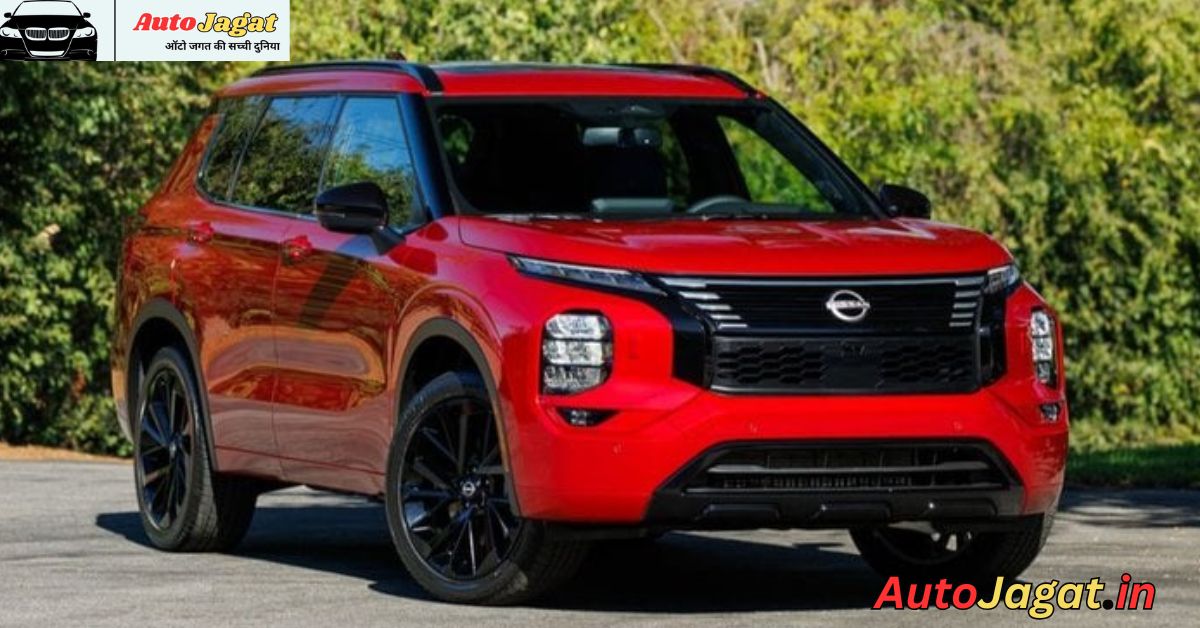
Interestingly, this model is not entirely homegrown. Nissan leveraged its alliance with Mitsubishi, rebadging the Outlander PHEV as the Rogue Plug-in Hybrid. While this may raise eyebrows, it ensures Nissan has a competitive hybrid on showroom floors until the next-generation Rogue with Nissan’s own e-Power hybrid system arrives in 2027.
Performance and Range
The Rogue Plug-in Hybrid delivers up to 38 miles of all-electric range, enough for most daily commutes and errands. When combined with its gasoline engine, the SUV boasts an estimated 420-mile total driving range, making it ideal for long trips without charging anxiety.
The hybrid system uses the gas engine primarily as a generator, powering the electric motors that drive the wheels. This setup provides smooth acceleration and quiet operation in EV mode, while still offering the flexibility of refueling at a gas station. Standard Intelligent All-Wheel Drive ensures confidence in varying road conditions.
Design and Interior
From the outside, the Rogue Plug-in Hybrid closely resembles its Mitsubishi twin, though Nissan has applied its own styling cues. The familiar V-Motion grille, sleek LED headlights, and sculpted body lines give it a distinct Nissan identity.
Inside, the cabin emphasizes comfort and practicality. With three rows of seating, the Rogue PHEV accommodates families while maintaining generous cargo space. Premium materials, intuitive infotainment, and advanced driver-assistance features elevate the experience, aligning with Nissan’s reputation for value-packed interiors.
Technology and Safety
Nissan has equipped the Rogue Plug-in Hybrid with a suite of modern technologies. The infotainment system integrates seamlessly with smartphones, while driver-assistance features such as adaptive cruise control, lane-keeping assist, and automated emergency braking come standard.
The hybrid system itself is designed for convenience. Owners can recharge at home overnight, using the EV mode for short trips and errands. For longer journeys, the gasoline engine ensures uninterrupted travel. This dual capability makes the Rogue PHEV especially appealing to buyers who aren’t ready to commit to a full EV.
Market Position and Buyer Appeal
The Rogue Plug-in Hybrid enters a crowded segment, competing directly with the Toyota RAV4 Prime, Honda CR-V Hybrid, and Subaru Forester Hybrid. While Nissan’s late entry may seem like a disadvantage, the Rogue PHEV’s combination of three-row seating, AWD, and strong electric range gives it a unique edge.
For families seeking a versatile SUV that balances efficiency with practicality, the Rogue Plug-in Hybrid is a compelling option. It appeals to buyers who want to reduce fuel consumption and emissions without sacrificing convenience.
Pros and Cons
Pros:
- 38 miles of all-electric range
- 420-mile total driving range
- Standard AWD and three-row seating
- Comfortable, tech-forward interior
Cons:
- Essentially a rebadged Mitsubishi Outlander PHEV
- Short-lived model, replaced by Nissan’s own hybrid system in 2027
- Styling differences may confuse buyers familiar with the Rogue lineup
Final Thoughts
The 2026 Nissan Rogue Plug-in Hybrid is more than just a new model—it’s a strategic move. By rebadging the Mitsubishi Outlander PHEV, Nissan ensures it has a competitive hybrid offering in North America while buying time to develop its own electrified technology.
For consumers, the Rogue Plug-in Hybrid delivers exactly what’s needed: a family-friendly SUV with real electric capability, long-range convenience, and Nissan’s trusted badge. While its lifespan may be short, its impact is significant. It signals Nissan’s commitment to electrification and provides a practical, stylish option for buyers navigating the transition from gasoline to electric.

Hello, my name is Himanshu Kumar and I am an experienced Digital Marketer. I have been blogging for the last 4 years and I have special interest in SEO. Here I give you easy bikes and writes easy-to-understand reviews and news about the latest bikes, helping readers choose the best options.. My aim is to always provide you with accurate, new and useful information.