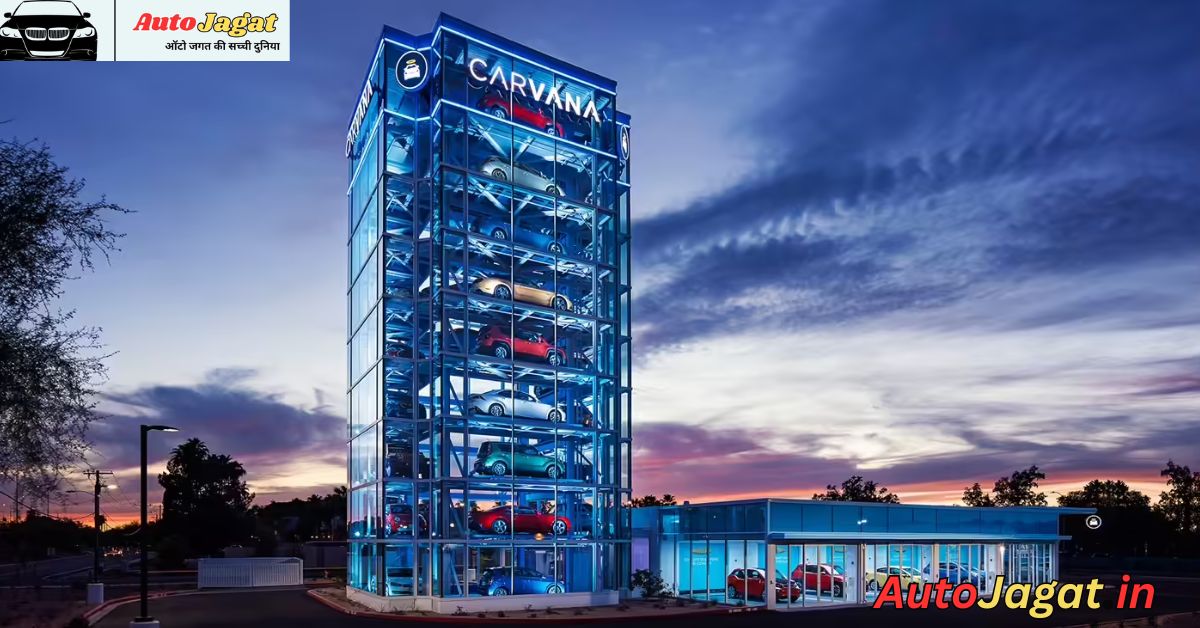
The automotive retail landscape is undergoing seismic changes, and few companies embody this transformation more vividly than Carvana. Known for its online car vending machines and digital-first approach, Carvana is now extending its reach into traditional dealership acquisitions, marking a pivotal evolution in its business model.
From Digital Disruptor to Hybrid Retailer
Carvana built its reputation as a disruptor, offering consumers a frictionless online car-buying experience. Its vending machine towers became symbols of innovation, challenging the conventional dealership model. Yet, as the industry evolves, Carvana has recognized that brick-and-mortar presence still matters.
In 2025 alone, Carvana made four dealership acquisitions, including a Stellantis store in Dallas and other franchise groups. This move signals a deliberate pivot: rather than replacing dealerships, Carvana is now integrating them into its ecosystem, blending digital convenience with physical accessibility.
Why Carvana Is Buying Dealerships
Several factors explain Carvana’s dealership buying spree:
- Consumer Trust: Many buyers still prefer the reassurance of a physical location, especially for test drives, servicing, and trade-ins.
- Inventory Expansion: Owning dealerships gives Carvana direct access to new-vehicle inventory, complementing its used-car dominance.
- Competitive Pressure: Rivals like AutoNation and Lithia Motors are investing heavily in digital platforms. Carvana’s acquisitions ensure it remains competitive in both online and offline spaces.
- Revenue Diversification: Dealerships provide service and parts revenue streams, stabilizing Carvana’s business beyond car sales.
The Strategic Impact
Carvana’s expansion into dealerships is more than opportunistic—it’s strategic. By acquiring established franchises, Carvana gains:
- Local Market Presence: Physical stores strengthen brand visibility and customer confidence.
- Operational Synergy: Carvana can integrate dealership operations with its digital platform, offering seamless online-to-offline experiences.
- Scalability: With multiple acquisitions, Carvana is building a nationwide hybrid network, positioning itself as a full-spectrum auto retailer.
Challenges Ahead
While the strategy is bold, it’s not without challenges:
- Cultural Integration: Carvana must reconcile its tech-driven culture with traditional dealership practices.
- Brand Identity: The company risks diluting its “digital disruptor” image by embracing conventional retail.
- Financial Strain: Acquisitions require significant capital, and Carvana has faced financial pressures in recent years.
- Dealer Relations: Franchise laws and dealer networks may complicate integration efforts.
Industry Implications
Carvana’s dealership acquisitions reflect a broader industry trend: the convergence of digital and physical retailing. Dealers are no longer just showrooms—they’re becoming hubs for omnichannel experiences. Carvana’s hybrid model could set the pace for the next era of auto retail, where customers move fluidly between online browsing and in-person engagement.
For traditional dealers, Carvana’s move is both a warning and an opportunity. It underscores the need to embrace digital transformation while leveraging the strengths of physical presence.
Pros and Cons of Carvana’s Expansion
Pros:
- Greater inventory access
- Enhanced consumer trust through physical presence
- Diversified revenue streams
- Competitive positioning against traditional dealer groups
Cons:
- Risk of brand dilution
- High acquisition costs
- Operational integration challenges
- Potential regulatory hurdles
Final Thoughts
Carvana’s decision to extend dealership buying marks a turning point in its evolution. Once seen as a threat to traditional dealers, Carvana is now becoming one itself—albeit with a digital twist. This hybrid approach could redefine auto retail, offering consumers the best of both worlds: the convenience of online shopping and the reassurance of physical dealerships.
As Carvana continues its buying spree, one thing is clear: the future of car retailing won’t be purely digital or purely physical. It will be a fusion of both, and Carvana is positioning itself at the forefront of that transformation.

Hello, my name is Himanshu Kumar and I am an experienced Digital Marketer. I have been blogging for the last 4 years and I have special interest in SEO. Here I give you easy bikes and writes easy-to-understand reviews and news about the latest bikes, helping readers choose the best options.. My aim is to always provide you with accurate, new and useful information.