India’s automotive industry has been steadily climbing the global value chain, and recent developments highlight its growing importance as a hub for both production and exports. One of the most significant milestones in this journey is Honda’s decision to position India as a key supplier for the WR-V, its compact SUV that has gained popularity in emerging markets. This move not only underscores India’s manufacturing prowess but also signals a strategic shift in how global automakers view the country’s role in their supply chains.
🚗 The Honda WR-V: A Compact SUV with Global Appeal
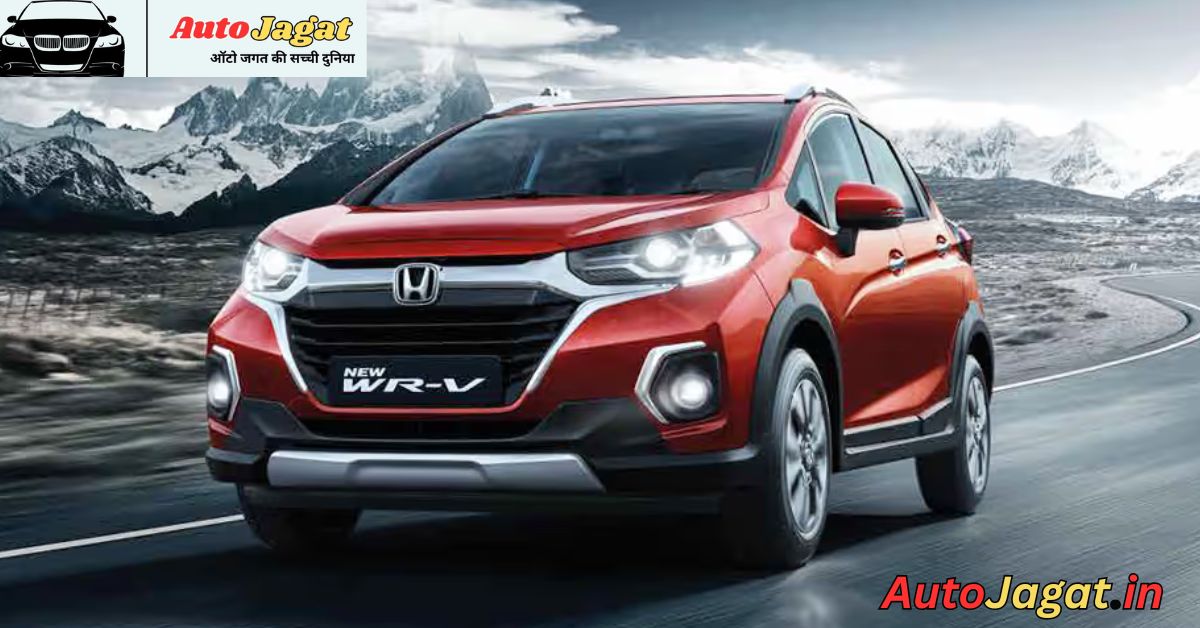
The Honda WR-V (Winsome Runabout Vehicle) was first introduced in 2017 as a crossover tailored for markets like India and Brazil. Built on the Jazz platform, the WR-V combines practicality with SUV-inspired styling, making it a strong contender in the sub-4-meter SUV segment.
- Design: Rugged exterior with sporty accents.
- Performance: Efficient petrol and diesel engine options suited for urban and semi-urban driving.
- Market Fit: Compact size and affordability make it ideal for emerging economies.
Its success in India has been particularly noteworthy, with the WR-V carving out a niche among young professionals and families seeking a stylish yet practical vehicle.
🏭 India’s Role in Honda’s Global Supply Chain
Honda’s decision to make India a key supplier for the WR-V is rooted in several strategic advantages:
- Cost Efficiency: India offers competitive labor and production costs without compromising on quality.
- Manufacturing Expertise: Plants in Tapukara (Rajasthan) and Greater Noida (Uttar Pradesh) have matured into world-class facilities.
- Export Potential: India’s WR-V production is geared not only for domestic consumption but also for export to markets in South America, Africa, and Asia.
- Government Support: Policies like “Make in India” and incentives for automotive exports have strengthened India’s appeal as a manufacturing hub.
By leveraging India’s capabilities, Honda ensures that the WR-V remains cost-effective and globally competitive.
🌍 Strategic Importance of India
India’s emergence as a supplier for the WR-V reflects broader trends in the automotive industry:
- Shift from China: Rising costs and geopolitical tensions have prompted automakers to diversify supply chains.
- EV Transition: India is positioning itself as a future hub for electric vehicle components, which complements its current role in conventional vehicle production.
- Regional Demand: Neighboring countries and regions with similar consumer preferences benefit from India’s WR-V exports.
This positions India not just as a manufacturing base but as a strategic partner in Honda’s global operations.
📈 Economic Impact
Honda’s reliance on India for WR-V production has ripple effects across the economy:
- Job Creation: Thousands of direct and indirect jobs in manufacturing, logistics, and ancillary industries.
- Boost to Suppliers: Local component manufacturers gain access to global supply chains.
- Export Revenue: Increased shipments strengthen India’s automotive export figures.
- Skill Development: Workers gain exposure to advanced manufacturing techniques, raising industry standards.
Such impacts reinforce India’s role as a cornerstone of global automotive supply chains.
🔧 Challenges Ahead
While India’s rise as a supplier is promising, challenges remain:
- Infrastructure Gaps: Logistics bottlenecks and port inefficiencies can hinder smooth exports.
- Quality Consistency: Maintaining global standards across all suppliers is critical.
- Competition: Other emerging markets like Vietnam and Thailand are also vying for similar roles.
- Technology Transition: As the industry shifts toward electrification, India must adapt quickly to remain relevant.
Addressing these challenges will be key to sustaining India’s momentum.
🚀 The Road Ahead
Honda’s WR-V strategy is a microcosm of India’s larger automotive ambitions. By 2030, India aims to be among the top three global automotive exporters, and partnerships like this bring that vision closer to reality.
- Expansion Plans: Honda may expand WR-V exports to new markets, further boosting India’s role.
- EV Integration: Future WR-V models could incorporate hybrid or electric variants, with India playing a role in their production.
- Global Recognition: Success stories like this enhance India’s reputation as a reliable automotive hub.
🏁 Conclusion
India’s emergence as a key supplier for the Honda WR-V is more than a business decision—it’s a testament to the country’s growing influence in global manufacturing. By combining cost efficiency, skilled labor, and government support, India has positioned itself as an indispensable partner in Honda’s supply chain.
As the WR-V rolls out from Indian plants to roads across the world, it symbolizes not just Honda’s confidence in India but also the nation’s ascent as a global automotive powerhouse.

Hello, my name is Himanshu Kumar and I am an experienced Digital Marketer. I have been blogging for the last 4 years and I have special interest in SEO. Here I give you easy bikes and writes easy-to-understand reviews and news about the latest bikes, helping readers choose the best options.. My aim is to always provide you with accurate, new and useful information.