Artificial Intelligence (AI) is no longer confined to chatbots, search engines, or industrial automation. One of its most impactful applications today is in traffic enforcement and road safety. AI-powered traffic cameras are emerging as a critical tool for cities worldwide, promising not only to catch offenders but also to prevent accidents and improve traffic flow.
🚦 What Are AI Traffic Cameras?
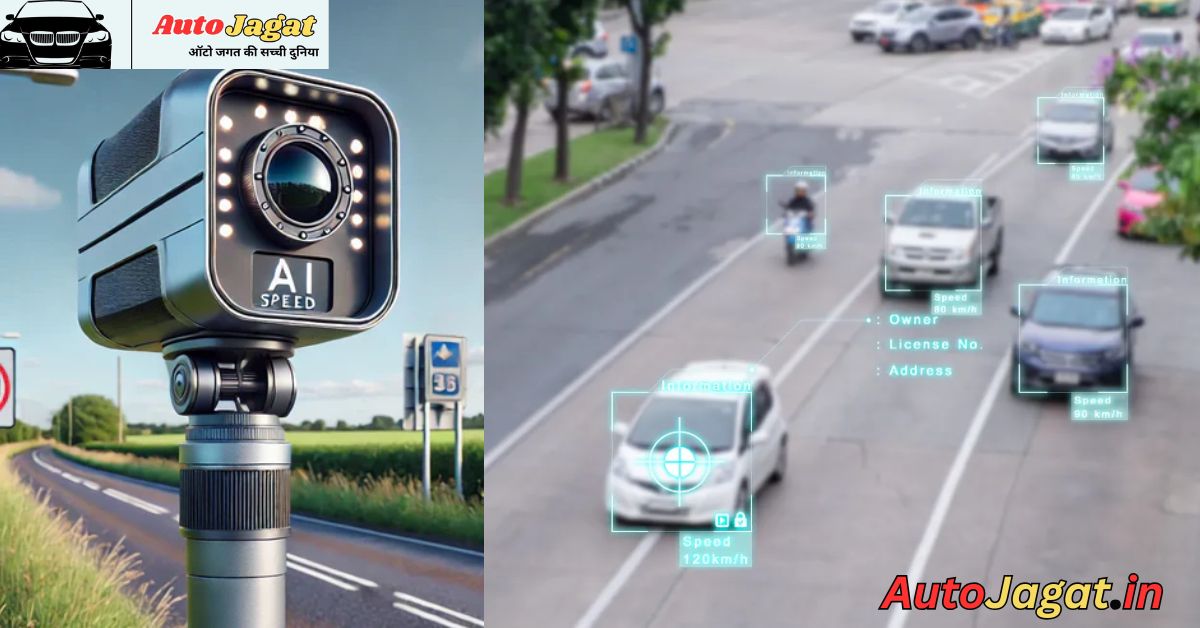
AI traffic cameras are advanced monitoring systems equipped with high-definition sensors and machine learning algorithms. Unlike traditional cameras that simply record footage, these systems can:
- Detect and classify vehicles (cars, trucks, motorcycles, bicycles).
- Identify violations such as speeding, running red lights, illegal turns, or distracted driving.
- Track multiple objects simultaneously in complex urban environments.
- Send automated fines or alerts directly to drivers’ phones or inboxes.
For example, in Athens, Greece, just eight AI cameras flagged nearly 29,000 violations in a few weeks during a pilot program. This demonstrates their efficiency compared to conventional enforcement methods.
🚗 How AI Cameras Improve Road Safety
Recent studies show that AI traffic cameras can prevent thousands of crashes each year. Their impact goes beyond the intersections where they are installed:
- Crash reduction: AI cameras cut collisions more effectively than older enforcement tools.
- Behavioral change: Drivers aware of AI monitoring tend to drive more cautiously, reducing risky maneuvers.
- Spillover effect: Safer driving habits extend to nearby streets, not just monitored intersections.
In China, researchers found that intersections upgraded with AI cameras showed significant drops in accidents compared to those with conventional monitoring.
🏙️ Benefits for Cities and Citizens
AI traffic cameras are not just about catching offenders—they are about building smarter cities. Key benefits include:
- Efficient law enforcement: Automated detection reduces reliance on human officers.
- Data-driven planning: Cameras collect detailed traffic data, helping city planners design better roads and intersections.
- Reduced congestion: Smarter signal control based on real-time traffic improves flow.
- Fair enforcement: AI reduces human bias in issuing fines.
For instance, the TrafiCam AI system by FLIR uses edge-based AI to control intersections, track multiple vehicles, and provide planners with actionable insights.
⚖️ Challenges and Concerns
Despite their promise, AI traffic cameras raise important questions:
- Privacy: Continuous monitoring sparks debates about surveillance and data protection.
- Accuracy: False positives could unfairly penalize drivers.
- Public acceptance: Citizens may resist automated fines, viewing them as intrusive.
- Cost: Installing and maintaining AI systems requires significant investment.
Balancing safety with privacy will be crucial for widespread adoption. Transparent policies and clear communication about how data is used can help build trust.
🌍 Global Adoption Trends
AI traffic cameras are gaining traction worldwide:
- Europe: Greece’s pilot program shows strong results, with fines soon to be issued digitally.
- Asia: Chinese cities are leading research, proving effectiveness in reducing crashes.
- North America: AI-powered sensors are being tested in smart city initiatives, focusing on congestion management.
As urban populations grow, more governments are likely to adopt these systems to tackle traffic challenges.
🔮 The Road Ahead
The future of AI traffic cameras lies in integration with broader smart city ecosystems. Imagine:
- Cameras linked to autonomous vehicles, guiding them safely through intersections.
- Real-time alerts sent to drivers about hazards ahead.
- AI systems predicting traffic patterns and adjusting signals dynamically.
Such innovations could make roads not only safer but also more efficient, reducing emissions and saving lives.
✨ Conclusion
AI traffic cameras represent a paradigm shift in traffic enforcement and urban safety. By combining advanced detection, automated enforcement, and data-driven planning, they promise to reduce accidents, improve traffic flow, and create smarter cities. While challenges around privacy and public acceptance remain, the benefits are undeniable.
As cities worldwide embrace AI, traffic cameras may soon become as common as streetlights—quietly working to keep roads safe, efficient, and fair.

Hello, my name is Himanshu Kumar and I am an experienced Digital Marketer. I have been blogging for the last 4 years and I have special interest in SEO. Here I give you easy bikes and writes easy-to-understand reviews and news about the latest bikes, helping readers choose the best options.. My aim is to always provide you with accurate, new and useful information.