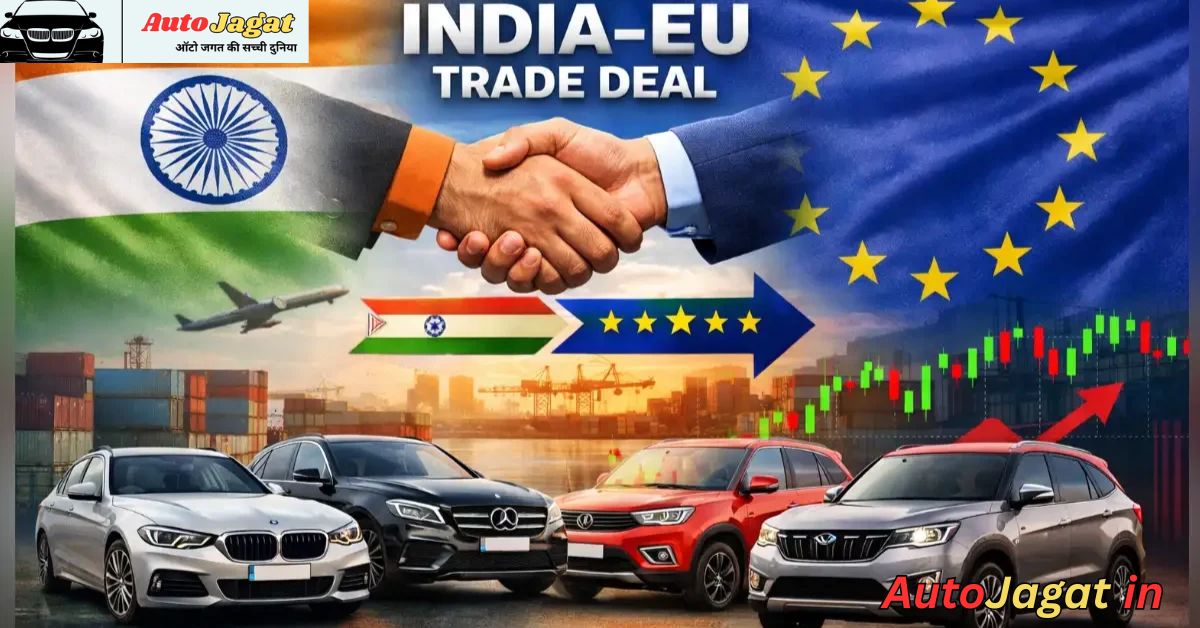
For decades, India’s automobile market has been one of the most protected in the world. High import duties—sometimes exceeding 100%—effectively kept foreign automakers at bay, ensuring that local champions like Tata Motors and Mahindra & Mahindra dominated the landscape. But in early 2026, India announced a dramatic policy shift: tariffs on European Union (EU) internal combustion engine (ICE) cars will be slashed from as high as 110% to 40%, with further reductions planned in the coming years. This move, tied to a broader free trade agreement with the EU, signals India’s intent to integrate more deeply into global trade while offering consumers greater choice.
Why This Matters
- Market Access for European Automakers: Brands like Volkswagen, BMW, Mercedes-Benz, and Renault will finally gain meaningful access to India’s fast-growing car market.
- Consumer Benefits: Lower tariffs mean reduced prices, making premium European cars more affordable for Indian buyers.
- Domestic Industry Challenge: Indian automakers, long shielded by protectionist policies, will face stiffer competition.
Key Details of the Tariff Cuts
- Tariff Reduction: Import duties on EU-made ICE cars will drop to 40% from 110%.
- Quota System: Initially, the tariff cuts will apply to around 200,000 ICE cars annually.
- Future Reductions: Tariffs are expected to fall further, potentially reaching 10% in later phases.
- Exclusion of EVs: Electric vehicles (EVs) will remain excluded from tariff cuts for the first five years, protecting India’s nascent EV industry.
Impact on Consumers
Indian car buyers have long faced limited choices in the premium segment. With tariffs slashed:
- Luxury Cars Become Accessible: A BMW or Audi that once cost double its European price may now be within reach of upper-middle-class buyers.
- Greater Variety: From compact hatchbacks to SUVs, European automakers can introduce a wider range of models.
- Technology Transfer: Consumers benefit from advanced safety, performance, and design features that European cars are known for.
Impact on Domestic Automakers
While consumers may rejoice, Indian automakers face new challenges:
- Price Pressure: Tata and Mahindra will need to innovate and improve efficiency to remain competitive.
- Focus on EVs: With ICE imports liberalized, domestic firms may double down on electric mobility, where they still enjoy tariff protection.
- Partnership Opportunities: Indian companies could seek joint ventures with European firms to leverage technology and expand product lines.
European Automakers’ Strategy
European brands have historically struggled in India, holding less than 4% market share. With tariffs reduced:
- Aggressive Expansion: Expect new showrooms, service centers, and localized marketing campaigns.
- Localized Production: Some automakers may explore assembling cars in India to further cut costs.
- Premium Positioning: Brands like Mercedes-Benz and BMW will target affluent urban buyers, while Volkswagen and Renault may compete in the mid-range segment.
Broader Economic Implications
- Boost to Bilateral Trade: The tariff cuts are part of a larger EU-India free trade agreement, expected to enhance trade flows across multiple sectors.
- Consumer Spending: More affordable imports could stimulate demand in India’s auto sector, projected to grow from 4.4 million to 6 million units by 2030.
- Pressure on Infrastructure: Increased car ownership may strain India’s urban infrastructure, requiring parallel investments in roads and public transport.
Risks and Challenges
- Domestic Backlash: Indian automakers may lobby against further tariff cuts, fearing job losses and reduced competitiveness.
- Environmental Concerns: By focusing on ICE cars rather than EVs, India risks slowing its transition to cleaner mobility.
- Implementation Hurdles: Ensuring fair competition and preventing market distortions will require careful monitoring.
Conclusion
India’s decision to slash tariffs on European ICE cars is a watershed moment for its auto industry. For consumers, it promises greater choice and affordability. For European automakers, it opens one of the world’s largest untapped markets. For domestic players, it presents both a challenge and an opportunity to innovate. Ultimately, this policy shift reflects India’s balancing act: embracing global trade while safeguarding its long-term vision of becoming a hub for electric mobility.
The road ahead will be competitive, dynamic, and transformative—reshaping India’s auto industry for decades to come.

Hello, my name is Himanshu Kumar and I am an experienced Digital Marketer. I have been blogging for the last 4 years and I have special interest in SEO. Here I give you easy bikes and writes easy-to-understand reviews and news about the latest bikes, helping readers choose the best options.. My aim is to always provide you with accurate, new and useful information.