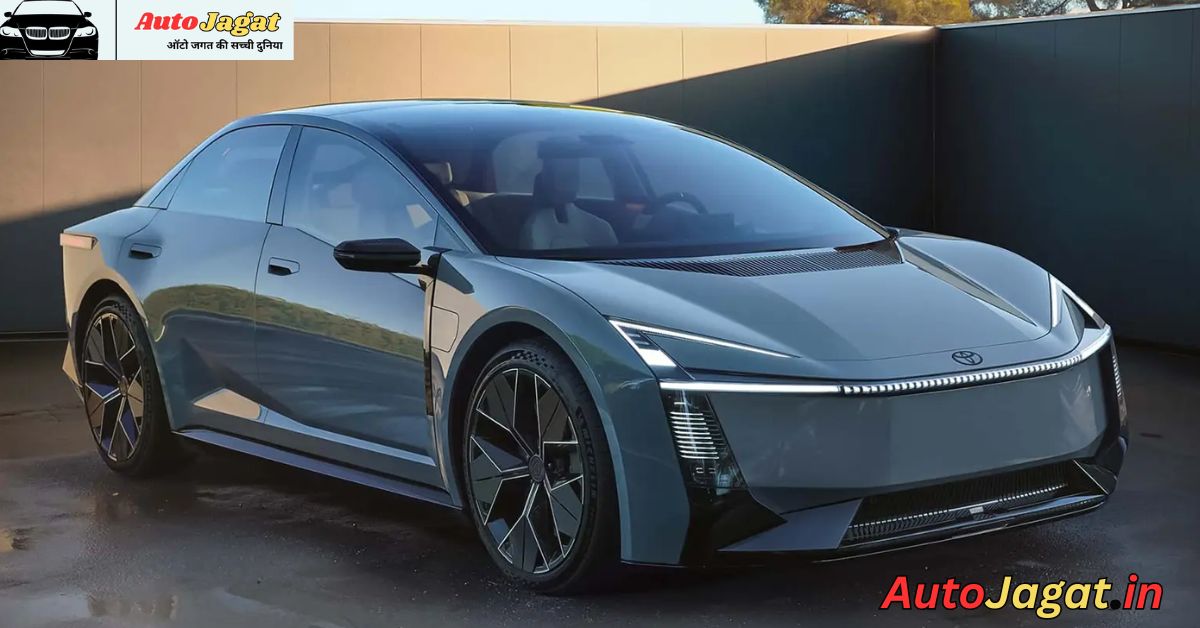
Toyota has officially launched its first electric kei van, the Pixis Van BEV, in collaboration with Daihatsu and Suzuki. This marks a major milestone in Japan’s transition to sustainable urban mobility, offering a compact, affordable, and eco-friendly solution for city driving. With a 63 hp motor and up to 160 miles of range, Toyota’s new EV kei is designed to meet the needs of everyday commuters and small businesses.
The Rise of Kei Cars in Japan
Kei cars, or kei jidōsha, are a uniquely Japanese category of ultra-compact vehicles. Introduced in the post-war era, they were designed to provide affordable, efficient transportation for a growing population. Kei cars are limited by regulations to small dimensions and engine sizes, making them ideal for Japan’s narrow streets and dense urban environments.
Over the decades, kei cars have become cultural icons, representing practicality and accessibility. They are popular among city dwellers, small business owners, and even rural drivers who value their efficiency and low ownership costs.
Toyota’s Entry Into the EV Kei Segment
While Toyota has long dominated the global automotive market, it has been slower to embrace electric kei cars compared to rivals. Now, with the launch of the Pixis Van BEV, Toyota is stepping firmly into the segment.
The EV kei project was developed jointly with Daihatsu and Suzuki, ensuring economies of scale and shared expertise. Alongside Toyota’s Pixis Van BEV, Daihatsu has introduced the e-Hijet Cargo and e-Atrai RS, while Suzuki is preparing to launch the e-Every.
Key Specifications
The Toyota Pixis Van BEV is designed to balance practicality with eco-friendly performance.
- Motor Output: 63 horsepower
- Range: Up to 160 miles (approx. 257 km) on a single charge
- Body Style: Compact van, ideal for urban deliveries and commuting
- Charging: Compatible with standard and fast-charging infrastructure
- Price: Nearly three times higher than gasoline-powered kei equivalents, reflecting EV technology costs
Design and Utility
The Pixis Van BEV retains the familiar kei van silhouette but incorporates modern EV styling cues. Its compact dimensions make it easy to maneuver in crowded cities, while the van body provides ample cargo space for small businesses.
Toyota has emphasized functionality and durability, ensuring that the EV kei can handle daily use in demanding urban environments. The interior is simple yet practical, with digital displays and EV-specific controls.
Market Positioning
Toyota’s EV kei is aimed at:
- Urban Commuters: Offering a clean, quiet, and efficient alternative to gasoline kei cars.
- Small Businesses: Perfect for delivery services, shop owners, and tradespeople who need compact cargo solutions.
- Eco-Conscious Drivers: Providing an affordable entry point into EV ownership.
While the higher price may deter some buyers, government incentives and lower running costs could make the Pixis Van BEV attractive in the long run.
Challenges Ahead
Despite its promise, Toyota’s EV kei faces several challenges:
- Pricing: At nearly triple the cost of gasoline kei cars, affordability remains a concern.
- Infrastructure: Japan’s EV charging network is growing but still limited in rural areas.
- Competition: Suzuki, Daihatsu, and other manufacturers are also entering the EV kei space, intensifying competition.
Toyota will need to leverage its brand reputation and dealer network to ensure success.
Cultural and Environmental Impact
The launch of the Pixis Van BEV is more than just a product release—it represents a cultural shift. Kei cars have always symbolized practicality, and electrifying them aligns perfectly with Japan’s sustainability goals.
By offering an EV kei, Toyota is helping reduce urban emissions, noise pollution, and dependence on fossil fuels. This move also supports Japan’s broader ambition to achieve carbon neutrality by 2050.

Hello, my name is Himanshu Kumar and I am an experienced Digital Marketer. I have been blogging for the last 4 years and I have special interest in SEO. Here I give you easy bikes and writes easy-to-understand reviews and news about the latest bikes, helping readers choose the best options.. My aim is to always provide you with accurate, new and useful information.