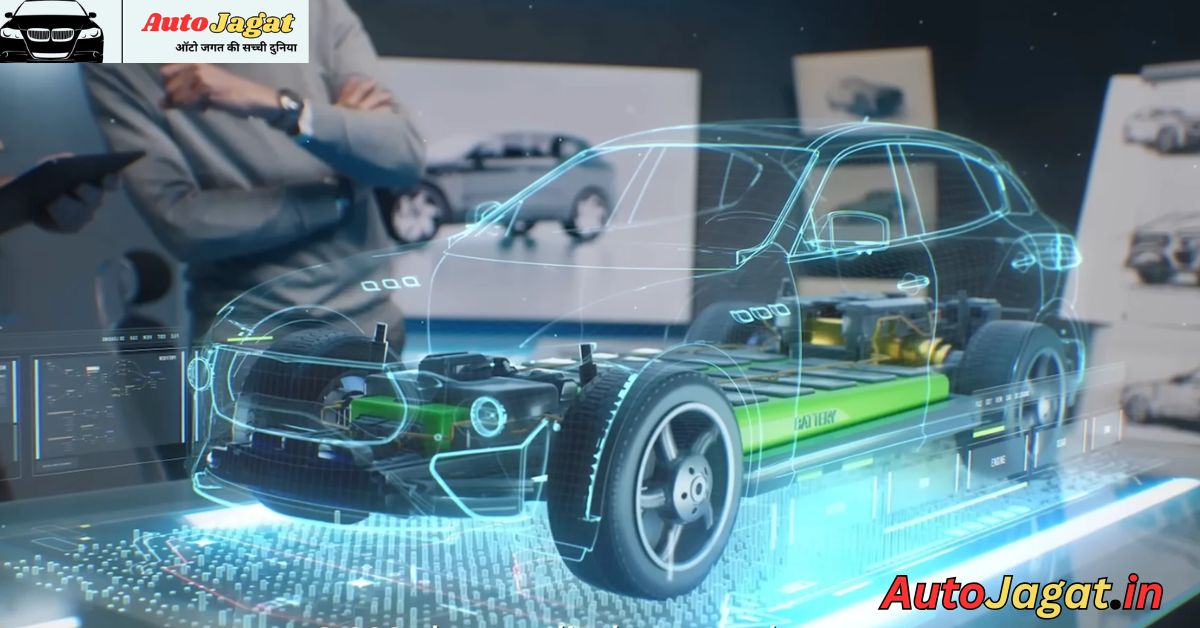
The electric vehicle (EV) industry has been racing toward faster charging and longer battery life, and Contemporary Amperex Technology Co. Limited (CATL)—the world’s largest EV battery manufacturer—has just raised the bar. In early 2026, CATL unveiled its revolutionary 5C battery, promising ultra-fast charging capabilities and unprecedented durability. This breakthrough could reshape consumer confidence in EVs and accelerate global adoption.
What Is the 5C Battery?
The term “5C” refers to the charging rate. A 5C battery can theoretically be charged at five times its capacity in one hour. In practical terms, this means charging an EV in minutes rather than hours. CATL’s new battery is designed to withstand repeated ultra-fast charging cycles without significant degradation.
Key highlights:
- Ultra-fast charging: Enables charging speeds far beyond current industry standards.
- Durability: Retains 80% capacity after 3,000 cycles, equivalent to 1.8 million kilometers (1.1 million miles) of driving.
- Heat resistance: Performs reliably even at 60°C, still offering over 500,000 miles of lifespan.
- Longevity: Outlasts the average EV’s expected lifespan, meaning the battery could “outlive” the car itself.
Why This Matters
1. Consumer Confidence in EVs
One of the biggest concerns for EV buyers is battery degradation, especially with frequent use of fast chargers. CATL’s 5C battery directly addresses this fear, reassuring consumers that ultra-fast charging won’t shorten battery life.
2. Used EV Market Transformation
Currently, used EV buyers worry about whether the battery has been “worn out” by fast charging. With CATL’s 5C battery, even second-hand EVs could retain strong performance, boosting resale values and market stability.
3. Infrastructure Synergy
Governments and private companies are investing heavily in fast-charging networks. CATL’s technology ensures that EVs can take full advantage of these networks without compromising battery health.
4. Environmental Impact
Longer-lasting batteries reduce the need for replacements, cutting down on resource consumption and waste. This aligns with global sustainability goals.
Competitive Advantage
CATL’s innovation places it ahead of rivals like LG Energy Solution, Panasonic, and BYD. While competitors are also working on fast-charging solutions, CATL’s claim of six times the industry average lifespan sets a new benchmark.
Comparison snapshot:
| Feature | CATL 5C Battery | Typical EV Battery (2025) |
|---|---|---|
| Fast-charging cycles | 3,000+ | 500–800 |
| Lifespan (km) | 1.8M km | 300k–400k km |
| Heat resistance | Up to 60°C | 40–45°C |
| Capacity retention | 80% after 3,000 cycles | 70% after ~1,000 cycles |
Challenges and Considerations
- Cost: Advanced technology may initially come at a premium, potentially limiting accessibility.
- Scalability: Mass production and integration into mainstream EVs will take time.
- Compatibility: Automakers must adapt vehicle designs to fully leverage 5C charging.
- Energy grid strain: Ultra-fast charging requires robust infrastructure to avoid overloading local grids.
Broader Implications
CATL’s 5C battery is more than a technological milestone—it’s a strategic leap for the EV industry. By eliminating the trade-off between fast charging and battery longevity, CATL is paving the way for EVs to become the default choice for consumers worldwide.
This innovation could accelerate:
- Global EV adoption by reducing range anxiety and charging concerns.
- Policy support as governments push for sustainable transport solutions.
- Automaker partnerships, with CATL likely to secure more contracts with leading brands.
Conclusion
CATL’s new 5C battery represents a paradigm shift in EV technology. With ultra-fast charging, extreme durability, and resilience under heat, it addresses the core anxieties of EV ownership. For consumers, it means convenience without compromise. For automakers, it offers a competitive edge. And for the planet, it promises a more sustainable future.
As CATL rolls out this technology, the EV industry may soon enter a new era—one where charging your car takes minutes, and the battery lasts longer than the vehicle itself.

Hello, my name is Himanshu Kumar and I am an experienced Digital Marketer. I have been blogging for the last 4 years and I have special interest in SEO. Here I give you easy bikes and writes easy-to-understand reviews and news about the latest bikes, helping readers choose the best options.. My aim is to always provide you with accurate, new and useful information.