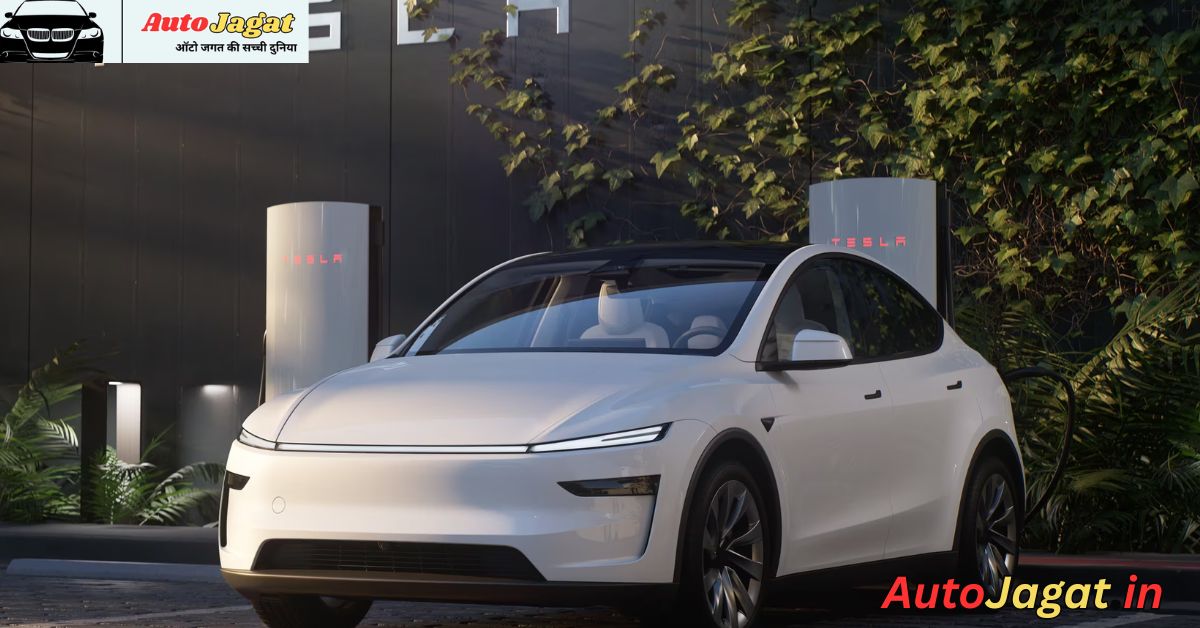
The electric vehicle (EV) market has been riding waves of policy changes, consumer demand, and technological innovation. One of the most striking developments in early 2026 is the unexpected rise in Tesla prices following the expiration of the $7,500 federal EV tax credit. While most EVs saw their resale values drop, Tesla bucked the trend, reinforcing its unique position in the automotive landscape. Let’s explore why this happened, what it means for buyers, and how it could reshape the EV market going forward.
The Tax Credit Shift
The U.S. federal EV tax credit had long been a cornerstone of EV affordability, offering buyers a significant incentive to switch from gasoline-powered cars. However, when the credit expired at the end of September 2025, analysts expected EV resale values to decline across the board. And indeed, most brands—including Hyundai, Kia, Volkswagen, and Ford—saw their used EV prices fall by an average of 3.6%.
Tesla, however, defied expectations. According to recent studies, used Tesla prices rose by 4.3% in the months following the credit’s removal. This surge was enough to lift the overall EV market’s value, despite declines elsewhere.
Why Tesla Prices Climbed
Several factors explain Tesla’s resilience:
- Brand Loyalty and Perception: Tesla owners often view their vehicles as more than just cars—they’re status symbols, tech products, and lifestyle choices. This strong brand identity translates into higher demand even without subsidies.
- Software and Infrastructure: Tesla’s proprietary software updates and expansive Supercharger network make ownership easier compared to rivals. Buyers see long-term value in these advantages.
- Demand Surge Before Expiry: In the months leading up to the tax credit’s end, Tesla experienced a rush of demand, particularly for the Model 3 and Model Y. This created a ripple effect in the resale market.
- Limited Alternatives: While other EVs are improving, few match Tesla’s combination of range, performance, and ecosystem. This scarcity of comparable options keeps demand high.
Impact on Buyers
For consumers, the rise in Tesla prices presents both challenges and opportunities:
- Higher Entry Costs: Buyers looking for used Teslas now face steeper prices, making affordability a concern.
- Stronger Resale Value: Current Tesla owners benefit from higher resale values, offsetting the loss of tax credits.
- Market Confidence: The price climb signals confidence in Tesla’s long-term viability, reassuring buyers who worry about depreciation.
Broader Market Implications
Tesla’s price resilience highlights deeper trends in the EV market:
- Divergence Among Brands: While Tesla thrives, other automakers struggle to maintain resale values, suggesting uneven consumer confidence.
- Policy Dependence: The broader EV market remains sensitive to government incentives. Without credits, many brands face declining demand.
- Shift Toward Premium Positioning: Tesla’s ability to sustain demand without subsidies may push it further into the premium segment, distancing itself from mass-market competitors.
Risks and Challenges
Despite the positive outlook for Tesla, there are risks:
- Affordability Gap: Rising prices could alienate budget-conscious buyers, slowing EV adoption overall.
- Competitive Pressure: As rivals improve range, charging infrastructure, and software, Tesla may face stronger competition in the next few years.
- Policy Uncertainty: Future government incentives or regulations could reshape the market again, potentially leveling the playing field.
Conclusion: Tesla’s Unique Resilience
The surge in Tesla prices after the EV tax credit expiry underscores the brand’s unique resilience in a volatile market. While most EVs saw depreciation, Tesla’s combination of strong demand, loyal customer base, and superior infrastructure allowed it to thrive. For buyers, this means higher upfront costs but stronger resale value. For the industry, it signals a shift toward brand-driven demand rather than policy-driven incentives.
Tesla’s trajectory suggests that while subsidies may fade, consumer confidence in the brand remains strong. The real question is whether other automakers can replicate this resilience—or whether Tesla will continue to stand apart as the EV market matures.

Hello, my name is Himanshu Kumar and I am an experienced Digital Marketer. I have been blogging for the last 4 years and I have special interest in SEO. Here I give you easy bikes and writes easy-to-understand reviews and news about the latest bikes, helping readers choose the best options.. My aim is to always provide you with accurate, new and useful information.