The urban scooter market is often a battleground of utility versus style. For years, commuters were forced to choose between the bulbous, friendly curves of a “classic” scooter or the bare-bones, utilitarian look of a workhorse. Then came the Honda Air Blade. Since its inception, the Air Blade has carved out a unique niche, redefining what a mid-range scooter looks like by leaning heavily into a “sport-luxury” aesthetic.
The design of the Honda Air Blade isn’t just about looking fast; it’s about a cohesive visual language that suggests precision, agility, and premium engineering. Whether you are looking at the 125cc or the 160cc variants, the Air Blade stands as a testament to Honda’s ability to shrink “big bike” DNA into a city-friendly package.
1. The “X” Factor: Front Fascia and Lighting
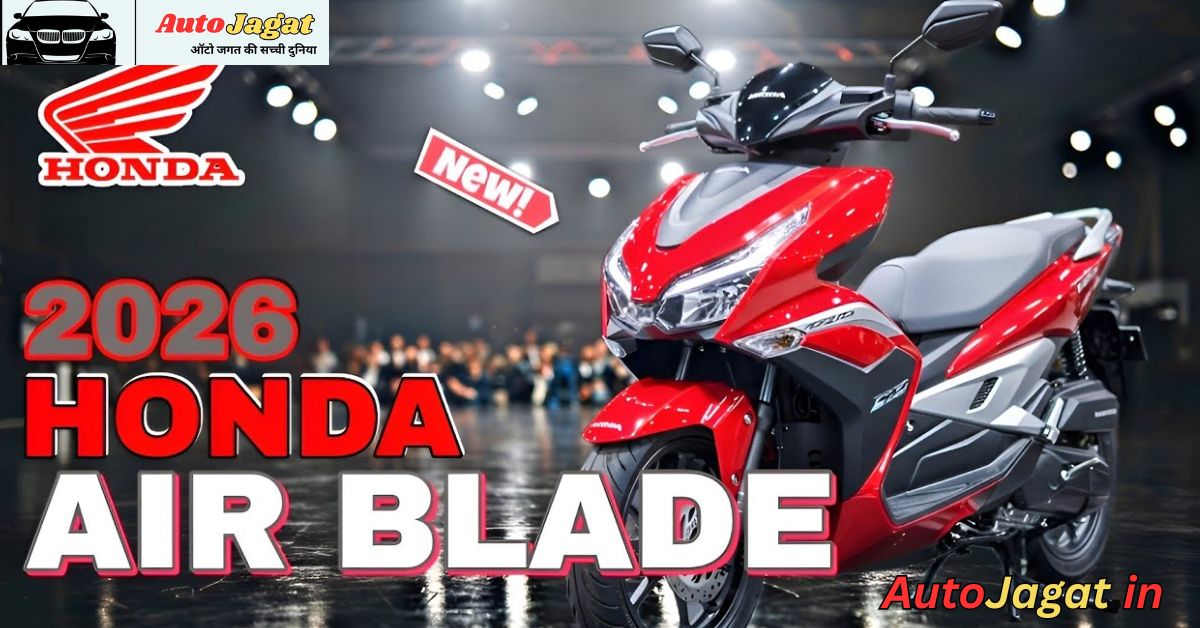
The most striking element of the Air Blade’s design is undoubtedly its face. Honda designers moved away from the friendly, rounded headlights of the past, opting instead for a fierce, twin-LED setup.
The lighting signature is shaped like a stylized “X,” which serves two purposes. First, it creates an unmistakable brand identity; you know an Air Blade is behind you the moment you see those sharp LED strips in your rearview mirror. Second, the split-headlight design mimics the look of Honda’s CBR sportbike series. By integrating the turn signals high up into the cowl, Honda has achieved a sleek, uncluttered front profile that cuts through the air—and the traffic—with visual intent.
2. Sculpted Aerodynamics: The Middle Profile
Moving to the side profile, The Air Blade abandons the flat floorboard commonly found on “step-through” scooters. Instead, it features a prominent center tunnel. While this sacrifice in flat storage might annoy some, it is the secret to the Air Blade’s sporty silhouette.
This center tunnel allows for a more rigid frame and places the fuel tank in a lower, more central position. Visually, this creates a “backbone” look that connects the front and rear of the bike seamlessly. The body panels are a masterclass in layering; Honda uses contrasting textures—matte plastics paired with high-gloss painted surfaces—to create depth. The sharp creases along the side fairings aren’t just for show; they are designed to channel airflow around the rider’s legs, emphasizing the “Air” in Air Blade.
3. Ergonomics Meets Style: The Seating and Rear
The Air Blade manages to look aggressive without sacrificing the comfort required for a daily commute. The seat height is purposefully tapered. It features a stepped design that provides the rider with lower-back support while giving the pillion passenger a clear view of the road ahead.
At the rear, the design remains tight and tucked. The LED tail light is often integrated into a sharp, upward-sweeping cowl that finishes the bike’s “forward-leaning” stance. Even the exhaust muffler is angled upward, mimicking the geometry of a performance motorcycle. This ensures that the bike looks balanced from every angle—there are no “dead spots” in the design.
4. The Digital Cockpit
A modern design isn’t complete without a high-tech interface. The Air Blade features a fully digital LCD instrument cluster. Unlike bulky analog gauges, this compact screen fits perfectly within the narrow handlebars. The blue-backlit display provides a wealth of information—speed, fuel consumption, and trip meters—arranged in a clean, minimalist layout that feels more “jet fighter” than “commuter scoot.”
5. Color Palettes and Special Editions
Honda understands that design is also about personalization. The Air Blade often comes in sophisticated colorways that lean toward the premium end of the spectrum. Instead of bright, neon “toy-like” colors, we see:
- Matte Stealth Black: For a clandestine, high-end look.
- Special Edition Grey/Blue: Utilizing red accents on the brake calipers and suspension springs to highlight the bike’s mechanical bits.
- 3D Emblems: The use of raised, chrome, or gold-toned “Air Blade” logos adds a tactile sense of luxury that stickers simply cannot match.
The Verdict: Why the Design Works
The Honda Air Blade succeeds because it understands its audience. It is designed for the rider who wants the convenience of an automatic transmission but refuses to look like they are riding a motorized grocery cart.
By blending sharp geometric lines, a sporty center-tunnel chassis, and premium LED lighting, Honda has created a vehicle that looks like it is moving even when it is parked. It is a design that bridges the gap between the practical needs of the city and the emotional desire for a machine that reflects speed and sophistication. The Air Blade doesn’t just take you to your destination; it makes sure you arrive with an edge.

Hello, my name is Himanshu Kumar and I am an experienced Digital Marketer. I have been blogging for the last 4 years and I have special interest in SEO. Here I give you easy bikes and writes easy-to-understand reviews and news about the latest bikes, helping readers choose the best options.. My aim is to always provide you with accurate, new and useful information.