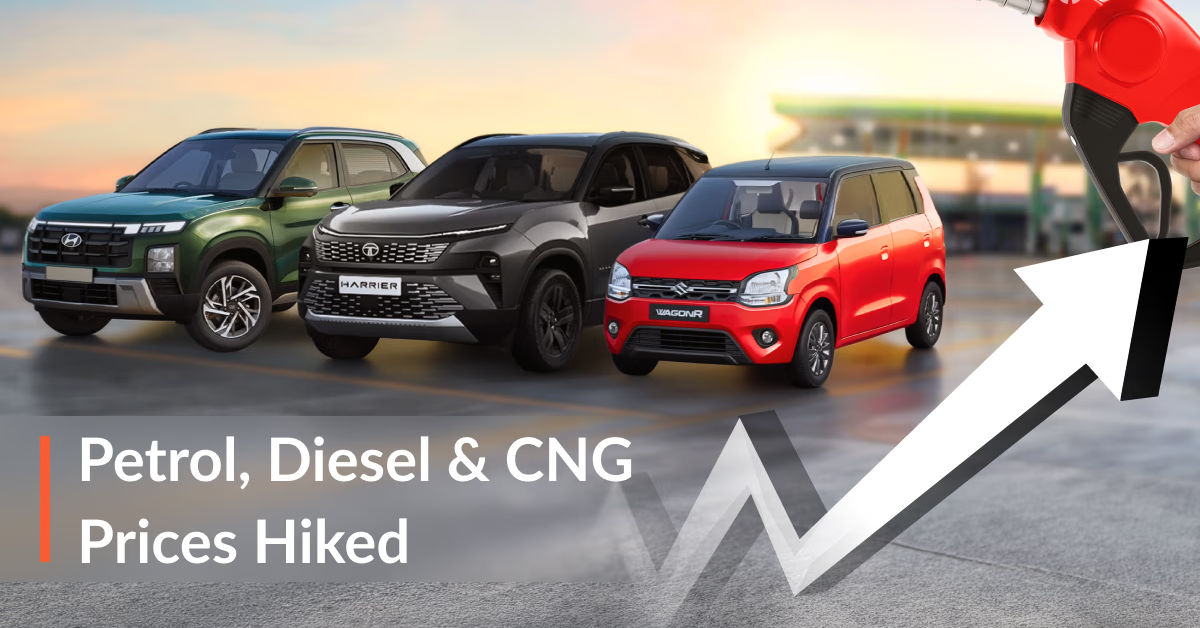
Fuel prices continue to play a major role in shaping India’s automobile market, and the latest ₹3 hike in petrol and diesel prices has once again become a major topic of discussion among car owners, vehicle buyers, and industry experts.
For millions of Indians who rely on personal vehicles for daily commuting, business operations, and family travel, even a small increase in fuel prices can significantly affect monthly expenses. This latest hike is expected to influence not only household budgets but also car buying decisions, vehicle ownership trends, and the future direction of the Indian automobile industry.
As fuel prices rise, consumers are becoming increasingly cautious about mileage, maintenance costs, and long-term ownership expenses. At the same time, automakers are accelerating their focus on electric vehicles, hybrid technology, and fuel-efficient engines.
Here’s a detailed look at what the ₹3 fuel price increase means for Indian car owners, buyers, and the auto industry in 2026.
Why Fuel Prices Matter So Much In India
India is one of the world’s largest automobile markets, and fuel expenses represent a significant part of vehicle ownership costs.
For many middle-class families, the monthly petrol or diesel bill directly affects financial planning. Rising fuel prices can quickly increase transportation costs for:
- Office commuters
- Delivery drivers
- Cab operators
- Business owners
- Long-distance travelers
- Commercial transport operators
Because of this, fuel prices heavily influence consumer behavior in the automobile market.
Immediate Impact On Existing Car Owners
The first and most direct effect of the ₹3 fuel hike will be felt by current vehicle owners.
Higher Monthly Running Costs
A small fuel increase may seem manageable initially, but over time it creates a noticeable financial burden.
For example:
- Daily office commuters will spend more every month
- SUV owners with larger engines will feel stronger impact
- Long-distance travelers may reconsider frequent road trips
- Commercial users could see rising operating costs
Families already managing EMI payments, insurance costs, and maintenance expenses may now become more conscious about fuel efficiency.
Petrol SUVs May Become More Expensive To Maintain
India’s SUV market has exploded in recent years, but larger SUVs typically consume more fuel than smaller hatchbacks or sedans.
Owners of:
- Premium SUVs
- Turbo-petrol vehicles
- Performance-oriented cars
- Large diesel SUVs
may experience significantly higher monthly fuel expenses after the price increase.
This could gradually influence buyer preferences toward more fuel-efficient options.
Increased Focus On Mileage
Mileage has always been important for Indian buyers, but fuel hikes make it even more critical.
Consumers purchasing new cars are now likely to prioritize:
- Better fuel efficiency
- Hybrid technology
- Smaller turbocharged engines
- CNG options
- Electric vehicles
Manufacturers offering efficient powertrains may gain a stronger advantage in the coming months.
Electric Vehicle Demand Could Rise Faster
One of the biggest effects of rising fuel prices is the growing interest in electric vehicles.
As petrol and diesel become more expensive, EVs start appearing more financially attractive in the long term.
Why EVs Benefit From Fuel Price Hikes
Electric vehicles offer several advantages:
- Lower running cost
- Reduced dependency on fuel
- Lower maintenance expenses
- Silent driving experience
- Environmental benefits
Many buyers who were previously uncertain about EV ownership may now seriously consider making the switch.
Hybrid Cars Could Become More Popular
While EV adoption is increasing, charging infrastructure still remains a challenge in several parts of India.
Because of this, hybrid vehicles may become a practical middle-ground solution.
Advantages Of Hybrid Vehicles
Hybrid cars provide:
- Better mileage than traditional petrol vehicles
- Lower fuel consumption
- No charging dependency
- Improved urban efficiency
- Lower emissions
Automakers focusing on strong hybrid technology could benefit significantly from changing market conditions.
Auto Industry Strategy May Change
Fuel price fluctuations often force automobile companies to rethink their product strategies.
More Fuel-Efficient Engines
Manufacturers may focus more on:
- Smaller turbo engines
- Lightweight vehicle platforms
- Improved aerodynamics
- Hybrid technology integration
Efficiency is becoming just as important as performance.
Faster Push Toward Electrification
Automakers are already investing heavily in electric mobility, but rising fuel prices may accelerate that transition.
Several companies are expected to:
- Launch affordable EVs
- Expand charging networks
- Improve battery technology
- Introduce Battery-as-a-Service models
- Offer longer-range electric SUVs
The EV market in India could grow much faster over the next few years.
Impact On Entry-Level Car Buyers
Budget-conscious buyers are often the most affected by fuel price hikes.
Smaller Cars May Regain Attention
In recent years, SUVs have dominated the market, but higher fuel prices could increase demand for:
- Compact hatchbacks
- Fuel-efficient sedans
- Small turbo-petrol cars
- Affordable hybrid models
Customers may once again prioritize practicality and affordability over aggressive styling and large vehicle size.
Commercial Vehicle Segment Could Feel Pressure
The commercial transportation sector may also experience challenges due to rising diesel prices.
Affected categories include:
- Logistics companies
- Truck operators
- Taxi services
- Delivery businesses
- Ride-sharing platforms
Increased transportation costs may eventually impact prices of goods and services across various industries.
Car Buyers Becoming Smarter About Ownership Costs
Modern buyers are no longer focusing only on purchase price.
Today, customers evaluate:
- Fuel expenses
- Maintenance costs
- Insurance premiums
- Resale value
- Long-term reliability
The latest fuel hike will likely strengthen this trend.
Growing Demand For Alternative Fuel Options
Apart from EVs and hybrids, other fuel alternatives may also see increased interest.
CNG Vehicles
CNG cars remain popular because they offer:
- Lower running costs
- Better fuel economy
- Reduced emissions
Several automakers continue expanding their CNG portfolios to attract value-focused buyers.
Flex-Fuel And Biofuel Technology
The Indian government and automakers are also exploring:
- Ethanol-blended fuels
- Flex-fuel engines
- Sustainable mobility solutions
These technologies may become more relevant if fuel prices remain volatile.
Luxury Car Buyers May Be Less Affected
Premium and luxury car owners may not feel the same financial pressure as middle-class consumers.
However, even luxury manufacturers are rapidly shifting toward electrification because:
- EVs deliver strong performance
- Environmental regulations are tightening
- Consumer preferences are evolving
Luxury EV adoption is expected to continue growing steadily.
Psychological Impact On Buyers
Fuel price increases also create a psychological effect on consumers.
Even buyers who can comfortably afford fuel expenses may start reconsidering:
- Large SUVs
- Performance vehicles
- Long daily commutes
- Multiple-car ownership
This shift in mindset can gradually reshape overall market demand.
Used Car Market May Also Be Affected
The pre-owned vehicle market could experience changing demand patterns as well.
High-Mileage Cars May Gain Popularity
Buyers may increasingly prefer:
- Fuel-efficient used cars
- Hybrid pre-owned vehicles
- Compact hatchbacks
- Reliable low-maintenance models
At the same time, larger fuel-hungry SUVs could see slower demand growth.
Government Policies Could Play A Bigger Role
Fuel prices often influence policy discussions around:
- EV incentives
- Charging infrastructure
- Public transport development
- Green mobility initiatives
The government may continue supporting electric mobility to reduce fuel dependency and environmental impact.
What Indian Car Buyers Should Do Now
For consumers planning to buy a new car in 2026, fuel prices should become an important consideration.
Important Factors To Evaluate
Before purchasing a vehicle, buyers should think about:
- Daily driving distance
- Fuel efficiency
- Long-term ownership cost
- Charging availability
- Resale value
- Maintenance expenses
Choosing the right vehicle today requires balancing lifestyle needs with financial practicality.
Future Of India’s Automobile Industry
The ₹3 fuel price hike highlights a much bigger transformation happening across the automotive sector.
The future will likely revolve around:
- Electric mobility
- Smarter hybrid systems
- Efficient engines
- Connected technology
- Sustainable transportation
Automakers that adapt quickly to changing consumer behavior will likely dominate the next phase of India’s automobile market.
Final Verdict
The latest ₹3 increase in petrol and diesel prices is more than just a temporary financial inconvenience. It reflects the growing importance of fuel efficiency, electric mobility, and smarter vehicle ownership in India.
For existing car owners, the hike means higher monthly expenses and increased attention toward mileage. For buyers planning a new vehicle purchase, it may influence decisions toward hybrids, EVs, and fuel-efficient models.
At the same time, the automobile industry is likely to accelerate its shift toward electrification, alternative fuels, and sustainable mobility solutions.
As fuel prices continue fluctuating, one thing is becoming clear — the future of the Indian automotive market will increasingly depend on efficiency, technology, affordability, and cleaner transportation alternatives.