When we map out our financial futures, we often look through a lens of optimism. We budget for vacations, invest for retirement, and meticulously select a standard health insurance plan to cover the occasional hospital visit or prescription. But there is a silent vulnerability in many of these strategies—a gap left wide open for severe, life-altering diagnoses.
A sudden medical emergency, such as a heart attack, stroke, or cancer diagnosis, does more than threaten your physical health; it poses an immediate and devastating threat to your financial stability. This is where a Critical Illness Insurance Plan transitions from an optional add-on to an absolute cornerstone of a resilient financial plan.
Understanding the Basics: What is Critical Illness Insurance?
To appreciate its value, one must first understand how critical illness insurance differs from standard health insurance. Traditional health insurance operates on a reimbursement or direct-payment model. It pays the hospital, doctor, or pharmacy for specific services rendered, minus your deductibles and co-pays.
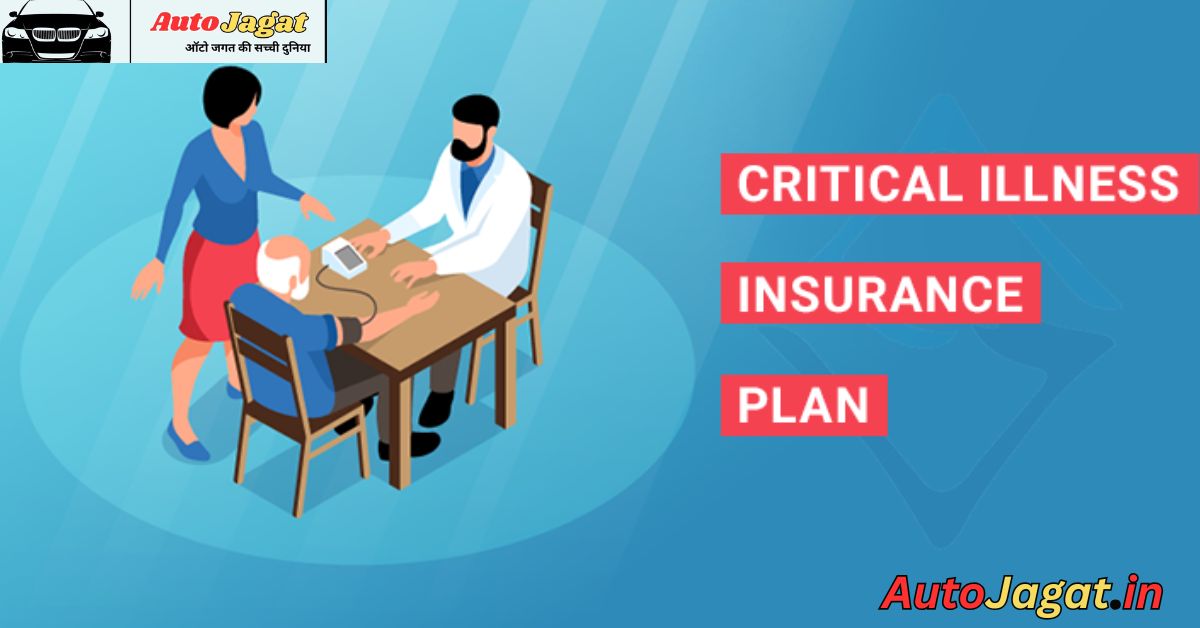
In sharp contrast, a Critical Illness Insurance Plan is a lump-sum indemnity policy. If you are diagnosed with a severe condition covered by your policy—such as invasive cancer, kidney failure, coronary artery bypass surgery, or major organ transplants—the insurance company cuts a check directly to you for the full face value of the policy. There are no restrictions, no tracking of hospital receipts, and no limitations on how that money must be spent.
The Core Distinction: Traditional health insurance pays the doctors to keep you alive. Critical illness insurance pays you so you can afford to live while recovering.
The Hidden Costs of Surviving a Medical Crisis
Medical advancements mean that surviving a critical illness is more probable today than ever before. However, survival comes at a high financial premium. While standard health insurance might cover the physical surgery or the chemotherapy drugs, it does absolutely nothing for the secondary, compounding financial strains that accompany long-term recovery.
Consider the immediate collateral expenses of a major illness:
- Lost Income: Recovery can take months, or even years, forcing you or your spouse to take an extended leave of absence from work.
- Experimental or Out-of-Network Treatments: Specialized therapies or alternative medicines that offer the best chance of recovery are frequently rejected by traditional insurers.
- Daily Living Expenses: Mortgages, car payments, utilities, and groceries do not pause simply because you are sick.
- Lifestyle Adjustments: You may need to modify your home for accessibility or hire regular childcare and private nursing assistance.
Why Your Standard Health Insurance Isn’t Enough
Relying solely on standard health insurance during a major health crisis is a dangerous gamble. Even the most robust premium plans feature out-of-pocket maximums, high deductibles, and strict networks. When a specialized specialist is out-of-network, you are left holding the bill.
Furthermore, standard medical insurance addresses the clinical bills, but it leaves your lifestyle completely unprotected. Without a lump-sum payout, many families find themselves forced to drain retirement portfolios, liquidate investments prematurely, or take on high-interest debt just to keep up with daily living expenses. A critical illness plan acts as a financial shield, preserving your hard-earned assets.
Key Benefits of Integrating a Critical Illness Plan
1. Complete Financial Freedom
Because the payout is entirely discretionary, the power rests in your hands. You can use it to pay off your mortgage to relieve monthly pressure, fly across the country for an advanced medical opinion, or simply cover everyday bills while you focus 100% on healing.
2. Preservation of Long-Term Wealth
A health crisis shouldn’t mean sacrificing your future. With dedicated critical illness funds, you won’t have to raid your children’s college funds or your own retirement nest egg to get through a difficult year.
3. Absolute Peace of Mind
Stress is a known deterrent to physical recovery. Knowing that your household finances are fully secure allows you and your loved ones to dedicate your complete mental and emotional energy to getting well, rather than worrying about impending bankruptcy.
Securing Your Protection Today
Like all forms of risk management, the best time to buy a Critical Illness Insurance Plan is before you think you need it. Premiums are heavily tied to age and health status; securing a policy while you are young and healthy locks in highly affordable rates and guarantees comprehensive coverage before any pre-existing conditions develop.
Do not wait for an unexpected diagnosis to expose the vulnerabilities in your financial plan. Review your current coverage, evaluate your family’s medical history, and speak with a financial advisor about integrating a critical illness policy into your portfolio. It is more than just insurance—it is the ultimate safeguard for your health, your wealth, and your family’s future peace of mind.

Hello, my name is Himanshu Kumar and I am an experienced Digital Marketer. I have been blogging for the last 4 years and I have special interest in SEO. Here I give you easy bikes and writes easy-to-understand reviews and news about the latest bikes, helping readers choose the best options.. My aim is to always provide you with accurate, new and useful information.