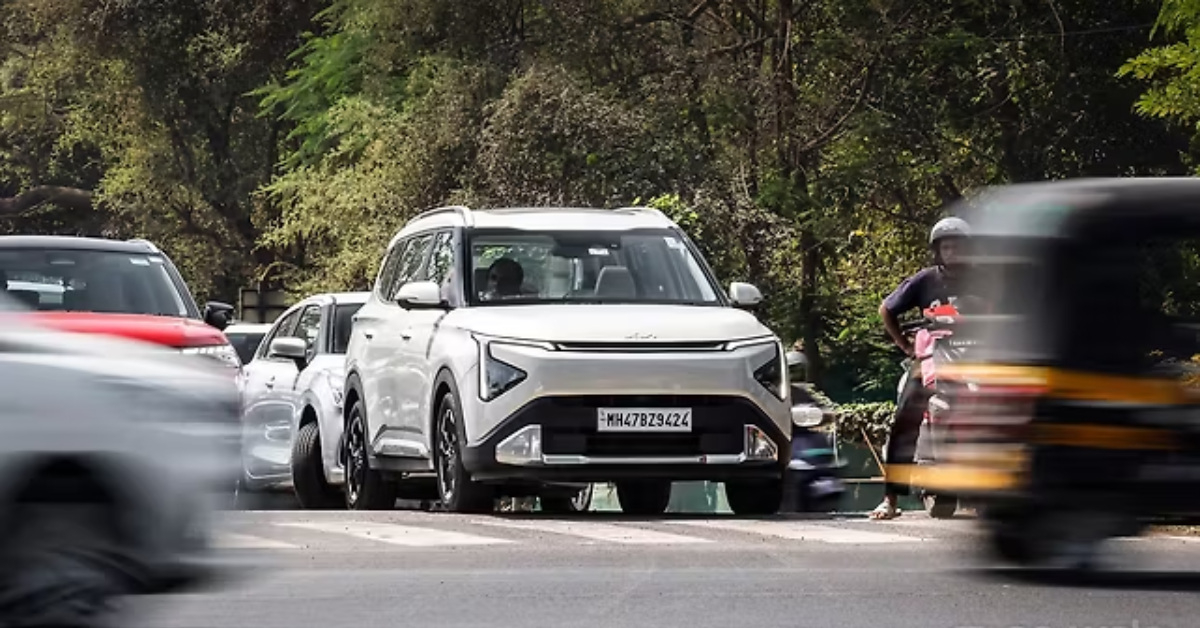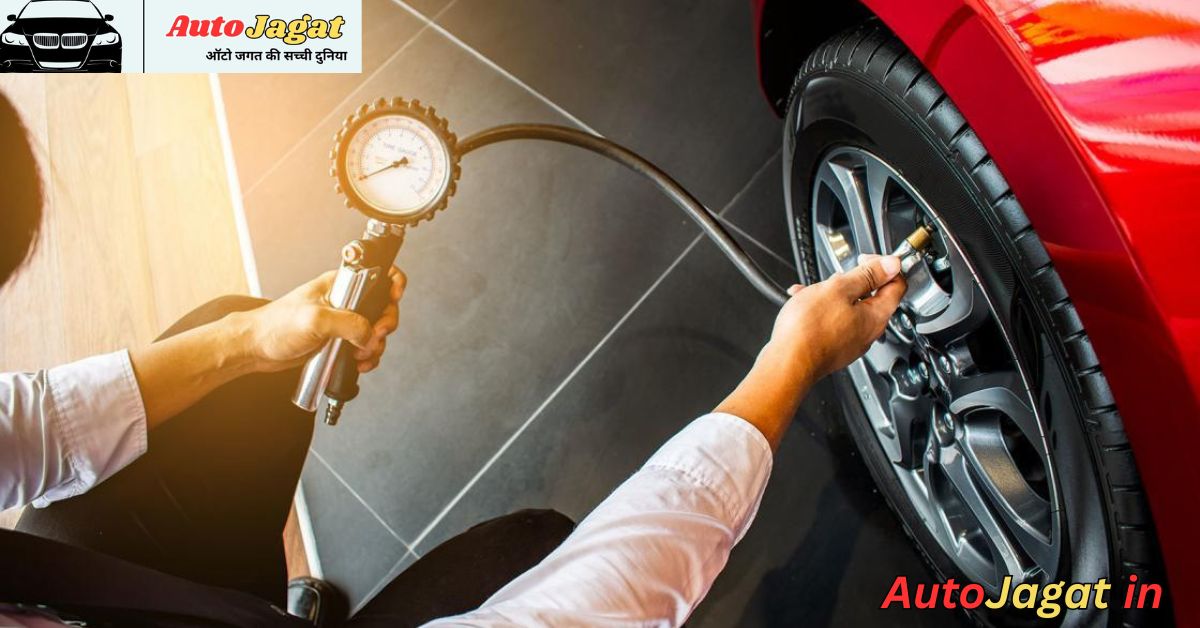
Tyres are the unsung heroes of your car. They’re the only point of contact between your vehicle and the road, yet many drivers overlook their importance. One of the simplest but most crucial aspects of tyre maintenance is checking tyre pressure. Proper tyre pressure ensures safety, fuel efficiency, and longer tyre life. In this blog, we’ll explore why tyre pressure matters, how to check it correctly, and the benefits of keeping it at the right level.
⚖️ Why Tyre Pressure Matters
Maintaining the correct tyre pressure is essential for several reasons:
- Safety: Under-inflated tyres can overheat and increase the risk of blowouts, while over-inflated tyres reduce grip and handling.
- Fuel Efficiency: Properly inflated tyres reduce rolling resistance, helping your car consume less fuel.
- Tyre Longevity: Balanced pressure prevents uneven wear, extending the life of your tyres.
- Comfort: Correct pressure ensures smoother rides and better shock absorption.
Ignoring tyre pressure can lead to costly repairs and dangerous driving conditions.
🛠️ Tools You’ll Need
Checking tyre pressure doesn’t require advanced equipment. Here’s what you’ll need:
- Tyre Pressure Gauge: Available in digital or analog versions, this tool measures the air pressure inside your tyres.
- Air Compressor or Pump: Found at petrol stations or as portable devices, used to inflate tyres.
- Manufacturer’s Manual: To know the recommended tyre pressure for your specific car model.
📏 Step-by-Step Guide to Checking Tyre Pressure
- Know the Recommended Pressure
- Check your car’s manual or the sticker inside the driver’s door frame. Most cars recommend between 30–35 PSI (pounds per square inch), but this varies by model.
- Check When Tyres Are Cold
- Tyre pressure increases as tyres heat up during driving. For accurate readings, check pressure when the car has been stationary for at least three hours.
- Remove the Valve Cap
- Unscrew the small cap on the tyre’s valve stem. Keep it safe to avoid losing it.
- Attach the Pressure Gauge
- Press the gauge firmly onto the valve stem. A hissing sound means air is escaping—adjust until it stops and the gauge gives a reading.
- Read the Measurement
- Compare the reading with the recommended PSI. If it’s lower, you’ll need to inflate the tyre. If it’s higher, release some air.
- Inflate or Deflate as Needed
- Use an air compressor to add air. If over-inflated, press the valve gently to release air until the correct pressure is reached.
- Repeat for All Tyres
- Don’t forget the spare tyre—it should also be checked regularly.
- Replace Valve Caps
- Screw the caps back on to protect the valve from dust and moisture.
🌟 Tips for Accurate Tyre Pressure Maintenance
- Check Monthly: Tyres naturally lose air over time, so monthly checks are recommended.
- Adjust for Load: If carrying heavy loads or driving long distances, increase pressure slightly as per manufacturer guidelines.
- Seasonal Changes: Cold weather reduces tyre pressure, while hot weather increases it. Adjust accordingly.
- Use Digital Gauges: They’re more accurate and easier to read than analog ones.
- Don’t Rely on Visual Checks: A tyre can look fine but still be under-inflated. Always use a gauge.
🏁 Benefits of Regular Tyre Pressure Checks
- Improved Safety: Reduces the risk of accidents caused by tyre failure.
- Better Fuel Economy: Saves money at the pump.
- Extended Tyre Life: Prevents premature wear and tear.
- Enhanced Driving Experience: Provides smoother handling and comfort.
⚖️ Common Mistakes to Avoid
| Mistake | Why It’s a Problem |
|---|---|
| Checking after long drives | Heat raises pressure, giving false readings |
| Ignoring the spare tyre | Leaves you stranded in emergencies |
| Over-inflating for “better mileage” | Reduces grip and increases wear |
| Using unreliable gauges | Leads to inaccurate readings |
| Forgetting seasonal adjustments | Causes under or over-inflation |
🧭 Conclusion
Checking tyre pressure is one of the simplest yet most effective ways to ensure your car runs safely and efficiently. With just a few minutes each month, you can save money, extend tyre life, and enjoy a smoother driving experience. The Toyota, Honda, or Maruti in your garage all rely on tyres as much as engines—so give them the care they deserve.
Proper tyre pressure isn’t just about numbers—it’s about peace of mind every time you hit the road.

Hello, my name is Himanshu Kumar and I am an experienced Digital Marketer. I have been blogging for the last 4 years and I have special interest in SEO. Here I give you easy bikes and writes easy-to-understand reviews and news about the latest bikes, helping readers choose the best options.. My aim is to always provide you with accurate, new and useful information.