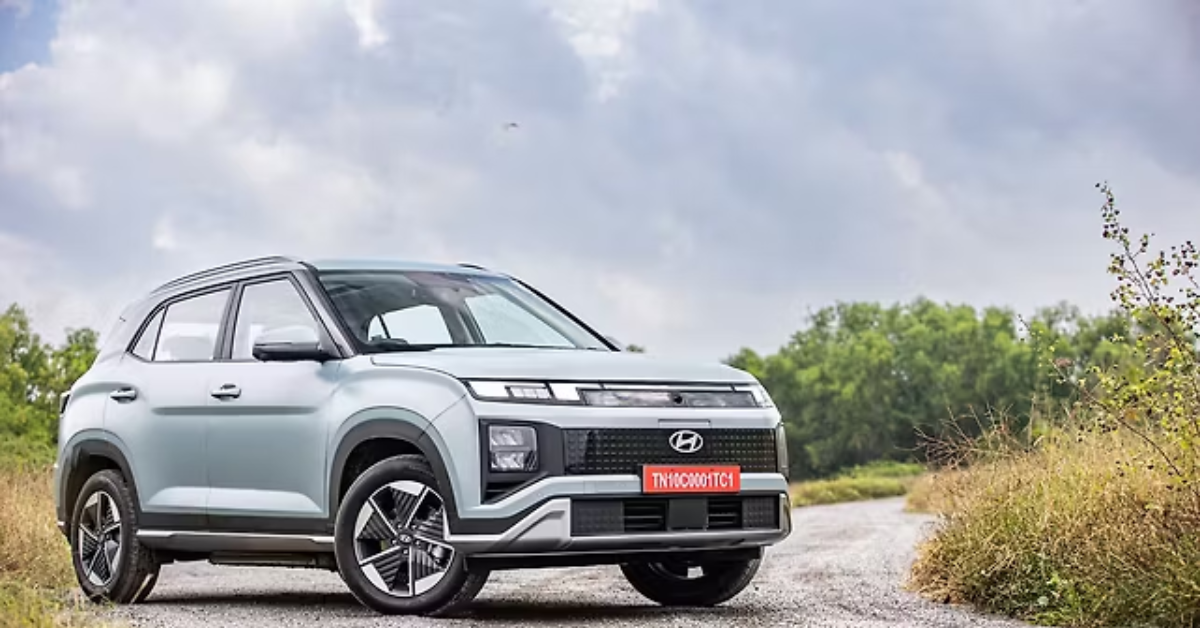
The Indian electric vehicle market continues to evolve rapidly, with manufacturers constantly updating their product portfolios, introducing new technologies, and adjusting pricing strategies. One of the most talked-about electric SUVs in the country, the Hyundai Creta Electric, has once again captured attention following a price increase for select variants.
As consumer demand for electric vehicles grows and competition intensifies across the EV segment, pricing adjustments have become increasingly common. While some buyers may be concerned about the latest price hike, others are wondering whether the Hyundai Creta Electric still represents strong value in the premium electric SUV category.
The Creta nameplate already enjoys immense popularity in India, and the electric version aims to build on that success by combining modern technology, practicality, impressive driving range, and premium features. However, any increase in pricing naturally raises questions regarding affordability and value for money.
Let’s take a detailed look at the recent Hyundai Creta Electric price hike, its possible impact on buyers, and whether the SUV continues to justify its premium positioning.
Hyundai Creta Electric: A Quick Overview
The Hyundai Creta Electric was introduced to strengthen Hyundai’s position in India’s growing EV market. Designed to appeal to urban families, professionals, and technology-focused buyers, the electric SUV combines familiar Creta styling with an advanced electric powertrain.
Key highlights of the vehicle include:
- Modern SUV design
- Fully electric drivetrain
- Advanced connectivity features
- Premium interior quality
- Strong safety package
- Practical driving range
- Fast charging compatibility
These factors have helped the Creta Electric become one of the most anticipated EV offerings in its segment.
Why Automakers Increase Vehicle Prices
Price hikes are not unusual in the automotive industry. Manufacturers regularly review pricing based on several market factors.
Some common reasons include:
Rising Production Costs
Raw material costs often fluctuate due to global supply conditions. Components such as batteries, semiconductors, electronics, and specialized EV parts can significantly affect production expenses.
Technology Upgrades
Manufacturers frequently introduce software improvements, safety enhancements, and feature upgrades. Such additions may contribute to increased pricing.
Supply Chain Adjustments
Global logistics and transportation costs continue to impact vehicle manufacturing and distribution.
Market Demand
Strong consumer demand can also influence pricing strategies, especially when a vehicle receives positive market response.
For electric vehicles, battery technology remains one of the largest contributors to overall production costs.
Which Variants Are Most Affected?
Price revisions typically affect specific variants rather than the entire lineup.
Manufacturers often adjust pricing for:
- Mid-spec variants
- Premium variants
- Long-range versions
- Feature-rich trims
These models usually attract buyers looking for advanced technology and additional comfort features.
Entry-level variants often remain relatively competitive to maintain accessibility and attract new customers into the EV ecosystem.
How the Price Hike Impacts Buyers
A vehicle price increase can influence purchasing decisions in several ways.
Higher Initial Investment
Potential buyers may need to allocate a slightly larger budget to purchase their preferred variant.
Increased Loan Amount
Customers financing their vehicles could experience slightly higher monthly installments depending on loan tenure and down payment structure.
Ownership Planning
Many buyers compare electric vehicles against petrol and hybrid alternatives. Pricing changes can affect this comparison process.
However, purchase price is only one aspect of vehicle ownership.
Long-Term EV Ownership Benefits Remain Strong
Despite higher initial costs, electric vehicles continue to offer several long-term advantages.
Lower Running Costs
Electricity typically costs less than conventional fuels on a per-kilometer basis.
Reduced Maintenance Requirements
Electric vehicles contain fewer moving parts compared to traditional internal combustion engine vehicles.
Benefits often include:
- No engine oil changes
- Reduced wear components
- Simplified drivetrain maintenance
- Lower service requirements
Potential Fuel Savings
Over several years of ownership, reduced fuel expenses can help offset a portion of the higher purchase price.
These factors remain important when evaluating the overall cost of ownership.
Design Continues to Be a Major Strength
One of the biggest attractions of the Hyundai Creta Electric is its modern SUV design.
The vehicle maintains a premium road presence while incorporating EV-specific styling elements.
Design highlights include:
- Distinctive front fascia
- Aerodynamic enhancements
- Premium lighting setup
- Modern alloy wheel designs
- Contemporary rear styling
The electric version successfully retains the visual appeal that has made the Creta brand popular among Indian buyers.
Premium Cabin Experience
Interior quality plays a crucial role in the premium SUV segment.
The Hyundai Creta Electric offers a feature-rich cabin designed to meet modern customer expectations.
Key cabin highlights may include:
- Large infotainment display
- Digital instrument cluster
- Connected car technology
- Premium upholstery
- Wireless smartphone integration
- Multiple charging options
- Advanced climate control systems
These features contribute to a comfortable and technology-focused driving experience.
Driving Range Remains a Key Selling Point
Range anxiety continues to be a major concern among EV buyers.
The Hyundai Creta Electric addresses this concern by offering a practical driving range suitable for both city commuting and occasional highway travel.
Advantages of a longer range include:
- Fewer charging stops
- Greater convenience
- Improved travel flexibility
- Enhanced confidence during longer journeys
As charging infrastructure continues to expand across India, practical range becomes an even stronger advantage.
Charging Convenience
Modern EV buyers expect flexible charging options.
The Creta Electric supports charging solutions that fit various usage scenarios.
These typically include:
Home Charging
Convenient overnight charging remains the preferred option for many owners.
Public Charging Networks
The growing availability of charging stations improves accessibility and convenience.
Fast Charging Support
Rapid charging capabilities significantly reduce downtime during long-distance travel.
These features help make EV ownership more practical than ever before.
Safety Features Strengthen Its Appeal
Safety remains one of the most important considerations for vehicle buyers.
The Hyundai Creta Electric is expected to offer a comprehensive safety package that may include:
- Multiple airbags
- Electronic stability control
- Anti-lock braking system
- Hill-start assistance
- Rear-view camera
- Parking sensors
- Advanced driver assistance technologies
Such features help justify the vehicle’s premium positioning.
Competition in the Electric SUV Segment
The electric SUV category is becoming increasingly competitive.
Consumers now have access to a growing number of options across various price points.
Key areas where buyers compare vehicles include:
- Driving range
- Charging speed
- Safety features
- Interior quality
- Technology package
- Brand reputation
- Ownership costs
Despite increasing competition, the Creta Electric continues to benefit from Hyundai’s strong brand recognition and widespread service network.
Is the Hyundai Creta Electric Still Worth Buying?
The answer largely depends on buyer priorities.
For customers focused solely on the lowest purchase price, the latest increase may require additional consideration.
However, buyers seeking:
- Premium features
- Practical driving range
- Advanced technology
- Comfortable interiors
- Strong safety credentials
- Established brand support
may still find the Hyundai Creta Electric to be an attractive option.
When evaluating a vehicle, it is important to consider total ownership value rather than focusing only on the upfront cost.
Future Outlook for Electric Vehicles in India
The Indian EV market is expected to continue expanding rapidly.
Several factors support this growth:
- Increasing consumer awareness
- Expanding charging infrastructure
- Improved battery technology
- Government support for electrification
- Growing manufacturer investment
As competition increases, automakers will continue refining their products to offer better performance, range, and technology.
The Hyundai Creta Electric is positioned to remain an important player in this evolving landscape.
Final Verdict
The recent Hyundai Creta Electric price hike for select variants may initially concern prospective buyers, but it does not necessarily diminish the SUV’s overall appeal. The vehicle continues to offer a compelling combination of premium styling, advanced technology, practical range, strong safety features, and lower long-term operating costs.
While the higher price may increase the initial investment required, many buyers will likely view the Creta Electric as a worthwhile purchase due to its well-rounded package and future-ready electric mobility credentials.
For customers seeking a premium electric SUV that balances everyday practicality with modern innovation, the Hyundai Creta Electric remains one of the strongest contenders in India’s rapidly growing EV market.