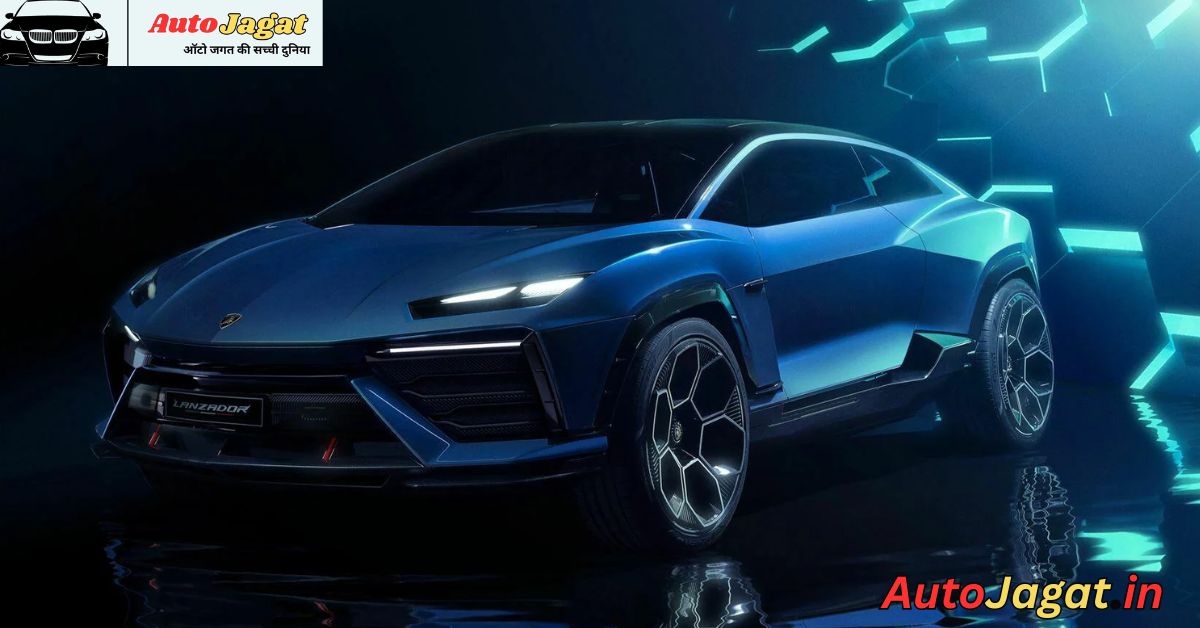
Lamborghini unveiled the Lanzador concept at Monterey Car Week, positioning it as the brand’s bold entry into the all-electric era. This striking “Ultra GT” – a 2+2 grand tourer with elevated ground clearance – promised over 1,341 horsepower from a dual-motor all-wheel-drive setup delivering more than one megawatt of power. The concept featured aggressive Lamborghini styling, active aerodynamics, advanced torque vectoring, and a high-performance battery system designed for both blistering acceleration and usable range.
Fast forward to February 2026, and Lamborghini has officially scrapped the all-electric version of the Lanzador. CEO Stephan Winkelmann confirmed that after more than a year of internal discussions, customer consultations, dealer feedback, and market analysis, the pure-EV project was canceled late in 2025 due to “close to zero” interest from the brand’s core clientele. Instead, the fourth model will arrive as a plug-in hybrid (PHEV) around 2029. Lamborghini has also ruled out an electric Urus successor for now, committing its entire lineup to hybrids by the end of the decade.
The Lanzador Concept: A Vision of Electric Lamborghini
The Lanzador concept turned heads with its spaceship-like yet unmistakably Lamborghini proportions. It combined sharp hexagonal design elements, a low-slung yet elevated stance, dramatic LED lighting, and innovative wheels. Power came from independent electric motors on each axle, enabling precise torque vectoring, rear-wheel steering, and customizable drive modes. Lamborghini described it as an “Ultra GT” – capable of grand touring comfort with supercar performance and light off-road versatility thanks to air suspension.
Why Lamborghini Killed the Electric Lanzador
Winkelmann’s decision wasn’t impulsive. The company agonized over the project, analyzing global data and speaking directly with customers who prize visceral emotion, unmistakable engine sound, and raw driving thrill above all else. The verdict: Lamborghini buyers simply aren’t ready to trade the roar of a V12 or V8 for electric silence.
The CEO openly called full-EV development an “expensive hobby” for a low-volume manufacturer. Creating a bespoke high-voltage architecture, lightweight yet powerful battery packs, and the supporting infrastructure demands enormous investment with uncertain returns. Luxury EV demand has softened in the high-end segment, where emotional connection matters more than zero-emission credentials. EVs, in their current form, struggle to replicate the theatrical exhaust notes and dramatic character that define the brand.
This pivot aligns with broader trends among prestige marques. While regulations push electrification, many exotic brands are tempering pure-EV plans in favor of plug-in hybrids. PHEVs deliver massive combined power, limited electric-only capability for emissions compliance, and—crucially—retain engine sound and character through sophisticated tuning.
What the Production Lanzador Will Look Like
The physical model isn’t dead. The striking Ultra GT silhouette from the concept will carry over, but with a plug-in hybrid powertrain instead of a pure battery-electric setup. Details remain under wraps, but expect a high-output combustion engine (likely V8 or V12-based) paired with electric motors for outputs that could rival or exceed the concept’s headline figures. This approach satisfies tightening emissions rules worldwide while preserving the emotional soundtrack and instantaneous torque Lamborghini customers demand.
Broader Implications for the Supercar Industry
Lamborghini’s scrapped electric supercar highlights a fundamental tension: regulatory pressure versus real enthusiast demand. Mass-market brands can absorb EV push through volume, but low-volume exotics thrive on passion and exclusivity. Customers spending hundreds of thousands on a Lamborghini seek unforgettable experiences, not just sustainability metrics.
The move demonstrates smart brand stewardship. Lamborghini’s recent record sales and strong performance with hybrids (Revuelto’s V12 hybrid and Temerario’s V8 hybrid have been well-received) prove that incremental electrification enhances rather than erases the brand’s DNA. By listening to its audience, the company avoids diluting its identity while still progressing toward lower emissions.
The Future of the Raging Bull
The Lanzador concept now stands as a fascinating “what if” – a bold glimpse of an electric future that market reality has deferred. Its styling, technical insights, and innovative packaging will likely influence the upcoming PHEV version, ensuring the fourth model feels distinctly Lamborghini.
As Sant’Agata Bolognese charges into the late 2020s, its strategy is clear: hybridize the current lineup aggressively while keeping pure-electric ambitions on the horizon. The entire range – Revuelto, Temerario, Urus, and the new GT model – will be plug-in hybrids by 2030, with derivatives and special editions expanding appeal in 2026 and beyond.
Lamborghini’s willingness to pivot shows confidence in its heritage rather than blind adherence to industry trends. The scrapped electric supercar may never reach production in its original form, but the lessons learned will help shape a more authentic electrified future.

Hello, my name is Himanshu Kumar and I am an experienced Digital Marketer. I have been blogging for the last 4 years and I have special interest in SEO. Here I give you easy bikes and writes easy-to-understand reviews and news about the latest bikes, helping readers choose the best options.. My aim is to always provide you with accurate, new and useful information.