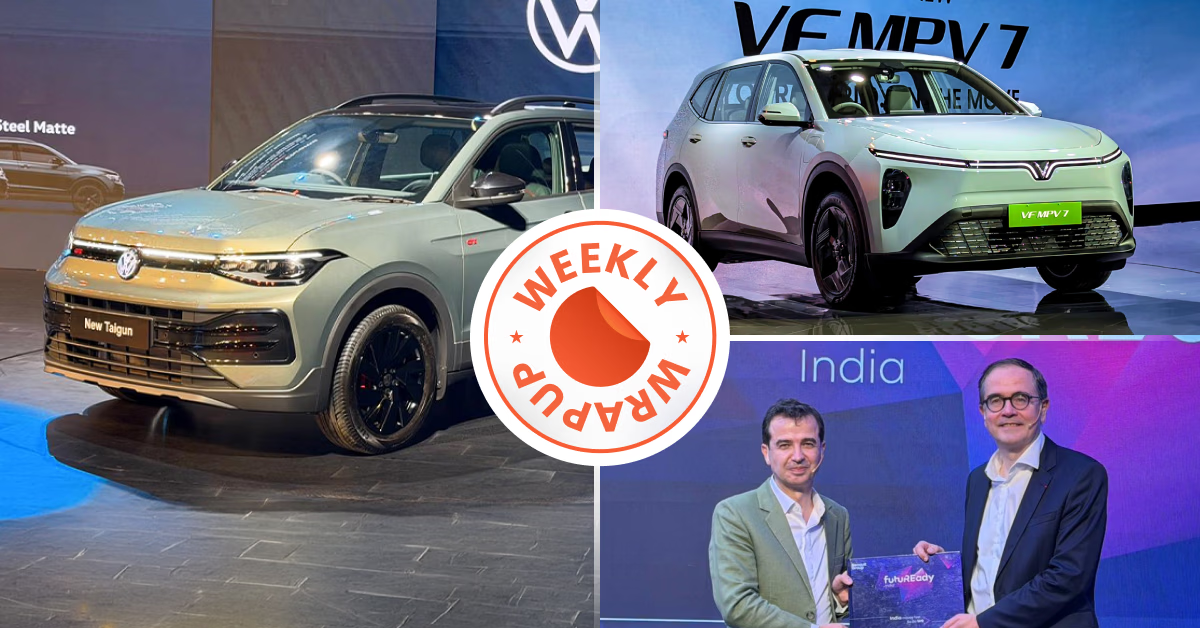
The automotive industry is evolving at a rapid pace, and the past week has delivered some major developments that highlight where the market is headed. From the launch of a refreshed compact SUV to the debut of an all-new electric MPV, along with bold future strategies from leading automakers, this week has been packed with meaningful updates.
These changes are not just about new cars—they reflect a deeper shift toward electrification, advanced technology, and smarter mobility solutions. For buyers and enthusiasts alike, understanding these trends is essential to making informed decisions in today’s competitive car market.
Let’s dive into the biggest automotive highlights from the past week.
New Compact SUV Launch Strengthens a Key Segment
One of the most talked-about updates this week was the launch of a refreshed compact SUV. This segment continues to dominate the market due to its perfect balance of practicality, affordability, and modern design.
The updated model brings subtle yet impactful design changes. With revised styling elements, sharper detailing, and new color options, the SUV now looks more contemporary and premium. While the core design remains familiar, the enhancements give it a stronger road presence.
Inside the cabin, the SUV continues to offer a feature-rich experience. Modern buyers can expect a touchscreen infotainment system, smartphone connectivity, and improved comfort features. The focus clearly remains on delivering convenience and usability for daily driving.
Under the hood, the SUV retains its efficient turbocharged engine, but with refinements that improve overall performance and drivability. The updates ensure that it remains competitive in a segment where customer expectations are constantly rising.
This launch reinforces the importance of compact SUVs in today’s market, where buyers demand a mix of style, performance, and value.
Electric MPV Debut Signals Changing Market Priorities
Another major highlight of the week was the introduction of a new electric MPV. This launch marks a significant step in the evolution of electric mobility, especially in the family vehicle segment.
Unlike traditional electric cars that focus mainly on compact or urban usage, this MPV is designed for larger families and long-distance travel. With a spacious cabin and three-row seating, it brings practicality into the electric vehicle space.
The importance of this launch lies in its positioning. It shows that electric vehicles are no longer limited to niche categories. Automakers are now expanding their EV portfolios to include versatile body styles that cater to a broader audience.
The electric MPV also represents a shift in consumer expectations. Buyers are now looking for sustainability without compromising on space, comfort, or performance. This model aims to deliver exactly that.
As demand for electric vehicles continues to grow, we can expect more manufacturers to explore similar concepts in the near future.
Kia’s Future Strategy Focuses on Innovation and Expansion
Kia made significant headlines this week with its ambitious plans for the future. The company is focusing heavily on innovation, electrification, and expanding its global presence.
A key part of Kia’s strategy is the development of new electric vehicles based on advanced platforms. These platforms are designed to support multiple models, making production more efficient while allowing greater flexibility in design and features.
Kia is also exploring new mobility solutions beyond traditional passenger cars. This includes electric vans, modular vehicles, and purpose-built mobility options tailored for different use cases.
The brand’s vision goes beyond just selling vehicles. It aims to create a connected mobility ecosystem that integrates technology, sustainability, and user convenience.
This forward-thinking approach positions Kia as a strong competitor in the future automotive landscape, where innovation will be the key differentiator.
Renault’s Bold Roadmap for Growth and Market Expansion
Renault is also stepping up its game with a renewed focus on growth and innovation. The company has outlined a clear roadmap aimed at strengthening its position in key markets.
One of the most notable aspects of Renault’s strategy is its multi-powertrain approach. Instead of focusing solely on electric vehicles, the brand plans to offer a mix of petrol, hybrid, and electric options. This ensures flexibility and caters to a wider range of customers.
Renault is also investing in a new modular platform that will serve as the foundation for several upcoming models. This platform will enable faster development cycles, improved efficiency, and better cost management.
In addition, the company is planning to launch multiple new vehicles across different segments, with a strong emphasis on SUVs. This aligns with current market trends, where SUVs continue to dominate consumer preferences.
Renault’s strategy reflects a balanced approach, combining innovation with practicality to meet the evolving needs of modern buyers.
Key Industry Trends Emerging This Week
Looking at all these developments together, several important trends become clear.
First, electrification is becoming a central focus for automakers. The launch of an electric MPV highlights how manufacturers are expanding EV options across different segments.
Second, there is a growing emphasis on platform-based development. Companies are investing in flexible architectures that can support multiple vehicle types, reducing costs and improving efficiency.
Third, consumer expectations are evolving. Buyers now demand more than just basic transportation—they want advanced technology, premium features, and environmentally friendly solutions.
These trends are shaping the future of the automotive industry and influencing how new vehicles are designed and marketed.
What This Means for Car Buyers
For consumers, these developments bring both opportunities and challenges.
On the positive side, there are more choices than ever before. Whether you are looking for a compact SUV, a family-friendly MPV, or an electric vehicle, the market offers a wide range of options.
The focus on innovation also means that new cars are more advanced, safer, and more efficient. Features that were once considered premium are now becoming standard across many segments.
However, the increasing number of choices can also make decision-making more complex. Buyers need to carefully evaluate their needs, budget, and long-term usage before making a purchase.
Understanding current trends can help in making a smarter and more informed decision.
The Growing Importance of Electric Mobility
One of the biggest takeaways from this week is the growing importance of electric mobility.
Automakers are investing heavily in EV technology, and the range of electric vehicles is expanding rapidly. From compact cars to large MPVs, electric options are becoming available across multiple segments.
This shift is driven by several factors, including environmental concerns, government policies, and rising fuel costs. As a result, electric vehicles are expected to play a major role in the future of transportation.
For buyers, this means it may be worth considering an electric vehicle as a long-term investment.
Conclusion
The past week has provided a clear snapshot of the automotive industry’s direction. The launch of a refreshed compact SUV, the debut of an electric MPV, and the strategic plans of major automakers all point toward a future defined by innovation and sustainability.
The industry is moving toward a more diverse and technology-driven ecosystem, where flexibility and customer-centric design are key priorities.
For consumers, this is an exciting time. With more options, better features, and a strong push toward sustainability, the future of mobility looks promising.
As these trends continue to evolve, staying informed will be essential for making the right choices in an ever-changing automotive landscape.