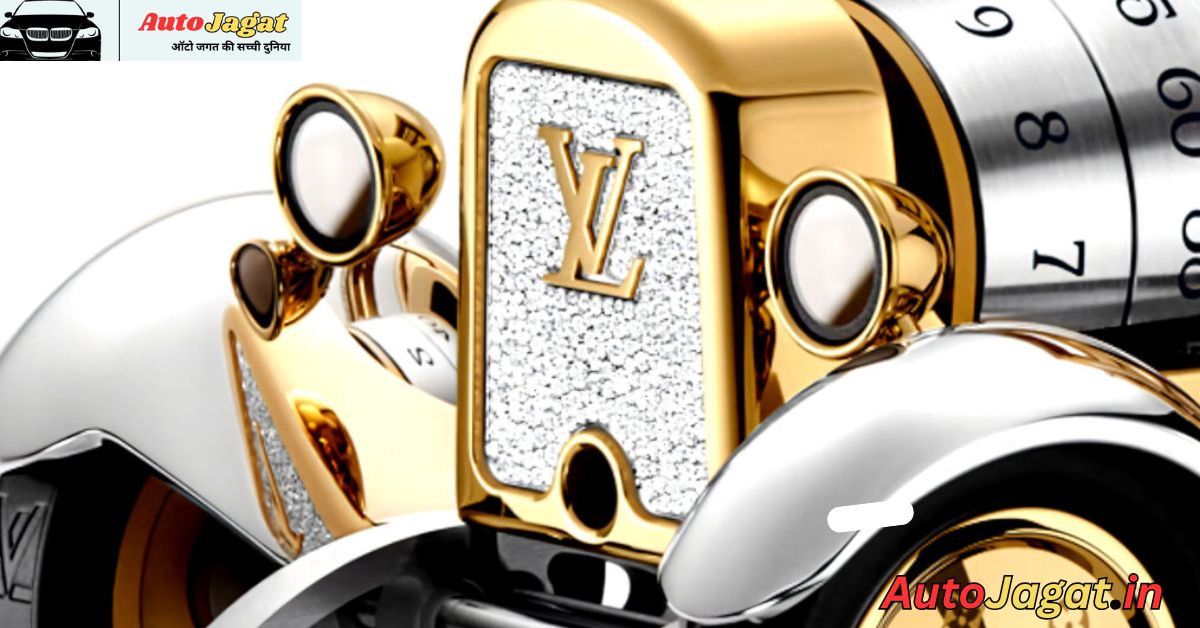
When a fashion house known for trunks and travel accessories turns to horology, the result is rarely subtle. Louis Vuitton’s Camionnette is a tabletop clock shaped like an antique delivery van, created by La Fabrique du Temps Louis Vuitton in collaboration with Swiss clockmaker L’Epée 1839. The piece channels the Maison’s early 20th‑century delivery fleet — the very vans that once transported trunks across France — and translates that history into a mechanical, bejeweled conversation piece.
Design and Craftsmanship
- Form: The Camionnette echoes 1920s cargo vans (reminiscent of the Citroën B10), complete with period proportions and functional detailing.
- Materials: The body is gold plated and adorned with nearly 1,700 diamonds, turning a humble delivery van into a glittering objet d’art.
- Movement: Inside sits a manual‑wind mechanical movement that reportedly runs for eight days on a single wind, marrying traditional clockmaking with haute couture aesthetics.
Why It Matters
This tiny truck is more than a novelty; it’s a statement about how luxury brands monetize heritage. Louis Vuitton repurposes its own origin story — travel, trunks, and delivery — into a collectible that appeals to connoisseurs of watches, decorative arts, and brand lore. The collaboration with L’Epée 1839 gives the piece technical credibility, while the lavish finishing ensures it functions as both timekeeper and trophy.
Price and Cultural Reaction
Reports framed the Camionnette as a headline‑grabbing extravagance, noting that its price reportedly exceeds the cost of many houses, a claim that fueled debate about luxury, value, and conspicuous consumption. Whether you view it as an investment, a collectible, or an ostentatious showpiece, the clock is designed to provoke conversation.
How to Think About Owning One (Guide and Considerations)
- Collector’s value: Provenance and limited editions can preserve or increase value, but the market for ultra‑luxury desk clocks is niche.
- Practicality: It’s a decorative clock first; maintenance (winding, servicing) and security (insurance, safe display) are real costs.
- Cultural fit: In India’s luxury market (including cities like Mumbai and Delhi), such pieces are often purchased by collectors, luxury hotels, or as corporate gifts; consider display and customs/import duties if buying internationally.
Risks and Trade‑offs
- Liquidity risk: Resale may be slow; the buyer pool is small.
- Conspicuousness: High‑value items attract attention and require secure storage and insurance.
- Cost vs. utility: For the price, buyers could acquire multiple high‑end watches or invest in art with broader market demand.
Final Thought
The Camionnette is a vivid example of how heritage brands convert history into high‑priced art. It’s less about telling time and more about telling a story — one of craftsmanship, brand mythology, and the modern appetite for objects that blur the line between utility and spectacle.

Hello, my name is Himanshu Kumar and I am an experienced Digital Marketer. I have been blogging for the last 4 years and I have special interest in SEO. Here I give you easy bikes and writes easy-to-understand reviews and news about the latest bikes, helping readers choose the best options.. My aim is to always provide you with accurate, new and useful information.