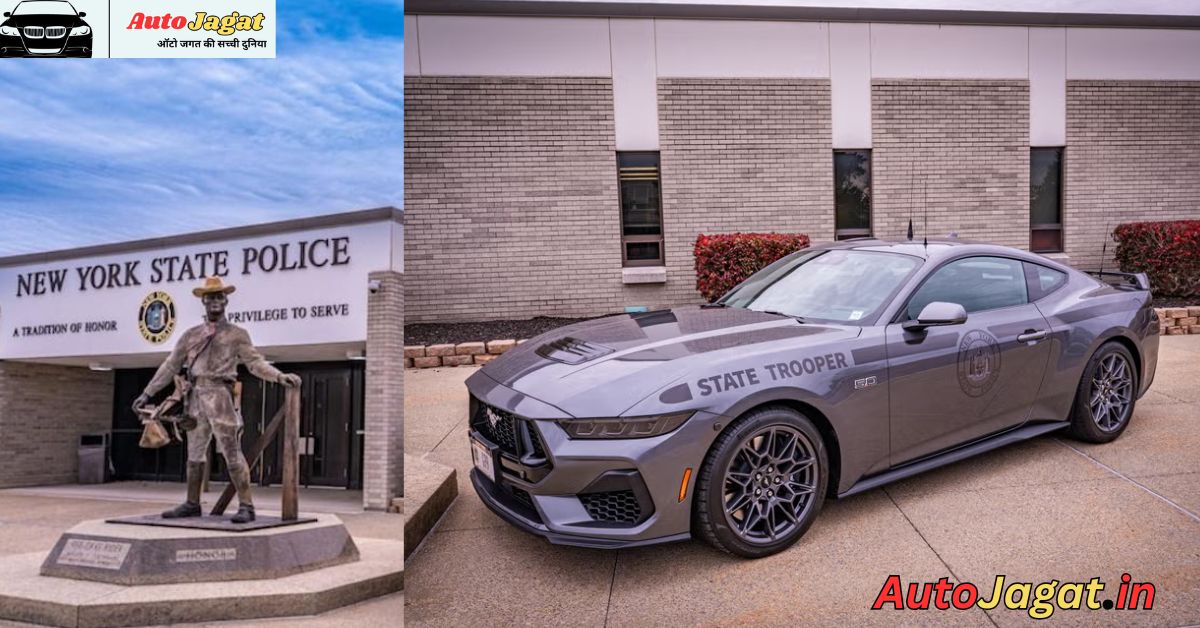
The New York State Police have added 2025 Ford Mustang GTs to their highway enforcement fleet, citing the cars’ high‑speed capability for interstate patrols, with more 2026 models approved for future deployment.
Quick guide — key considerations and who this matters to
- Key considerations: pursuit policy, public safety, vehicle suitability for patrol duty, and maintenance costs.
- Decision points: Is a high‑performance coupe appropriate for routine highway enforcement? Should agencies prioritize top speed and acceleration or durability and utility?
- Who this affects: motorists on New York interstates, law‑enforcement planners, and taxpayers tracking fleet spending.
Why the Mustang GT now
The New York State Police quietly took delivery of a 2025 Ford Mustang GT and confirmed plans to deploy the cars for traffic enforcement on high‑volume interstates and highways, with additional 2026 model‑year units already approved. The move follows a broader trend among U.S. state police agencies adopting the S650‑generation Mustang GT for its Coyote V8 power and high‑speed capability, which agencies say helps when pursuits escalate on fast stretches of road.
Operational advantages and practical uses
Performance is the Mustang’s primary asset: rapid acceleration, high top speed, and modern chassis dynamics make it well suited to intercepting high‑speed violators and responding quickly on long highway corridors. For highway patrol roles where straight‑line speed and visible deterrence matter, the Mustang offers a clear tactical advantage over conventional sedans and SUVs.
Trade‑offs and challenges
- Practicality: The Mustang is a two‑door coupe with limited cargo and prisoner‑transport capacity, making it less versatile than traditional patrol sedans or SUVs.
- Cost and maintenance: High‑performance engines and specialized parts can increase lifecycle costs; agencies must budget for more frequent servicing and potential higher repair bills.
- Safety and policy: Pursuit policies and officer training must adapt to the Mustang’s capabilities to avoid encouraging unsafe high‑speed chases; agencies must balance enforcement benefits against public risk.
Broader trend and public perception
The Mustang’s return to police fleets echoes the historic SSP (Special Service Package) era and reflects a renewed appetite among several states for performance patrol cars—North Carolina, Virginia, and Indiana have also added S650 Mustangs to their fleets this year. Public reaction is mixed: some see the cars as effective deterrents and a symbol of modernized enforcement, while others question the optics and expense of using sports cars for routine policing.
Final thoughts and what to watch
The New York State Police’s Mustang GTs are a targeted tool—not a wholesale replacement for traditional patrol vehicles. Their value will be judged by measurable outcomes: reduced high‑speed incidents, safe pursuit resolution rates, and manageable operating costs. Watch for official reports on deployment results and any policy updates that clarify when and how these high‑performance units are used.

Hello, my name is Himanshu Kumar and I am an experienced Digital Marketer. I have been blogging for the last 4 years and I have special interest in SEO. Here I give you easy bikes and writes easy-to-understand reviews and news about the latest bikes, helping readers choose the best options.. My aim is to always provide you with accurate, new and useful information.