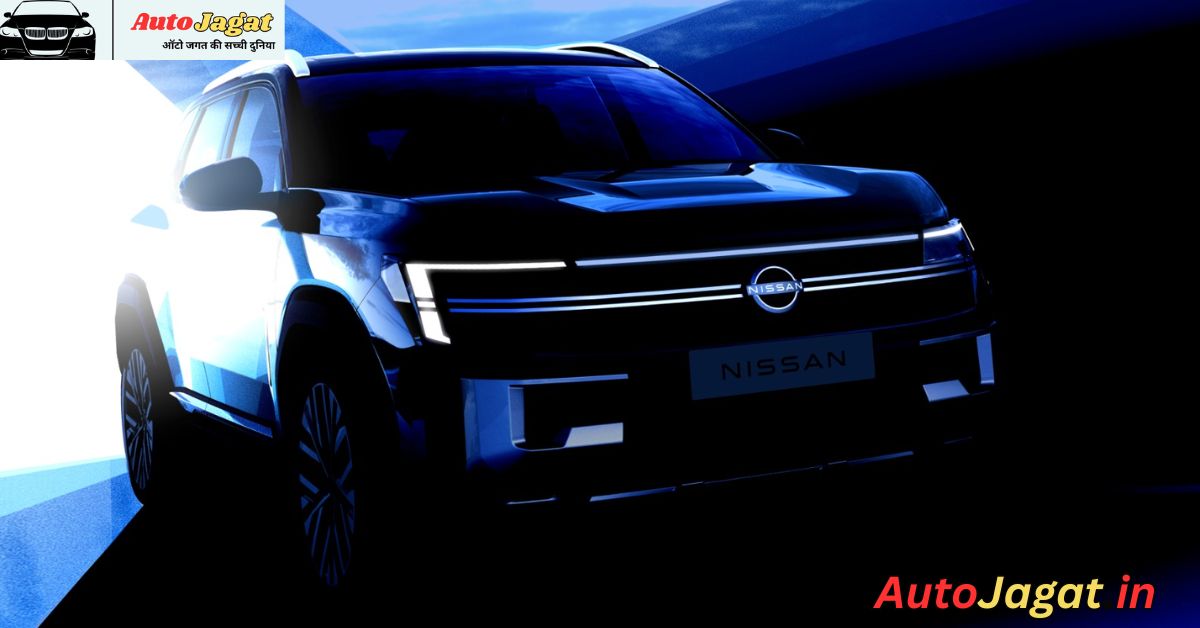
Nissan has officially unveiled the Kait, a new SUV that marks a significant step in the brand’s global strategy. Positioned as a compact-to-mid-size SUV, the Kait is designed to compete in one of the most crowded and competitive segments worldwide. With production set in Resende, Brazil, and an India launch expected in 2026, the Kait represents Nissan’s renewed push to capture market share in regions where SUVs dominate sales.
Design and Styling
The Kait carries a modern, youthful design language that sets it apart from Nissan’s current lineup. Key highlights include:
- Full-width LED taillights for a futuristic look
- Sculpted body lines that emphasize sportiness
- Raised stance and muscular wheel arches for SUV presence
- Compact proportions ideal for urban driving
This design ensures the Kait appeals to younger buyers who want style without sacrificing practicality.
Platform and Engineering
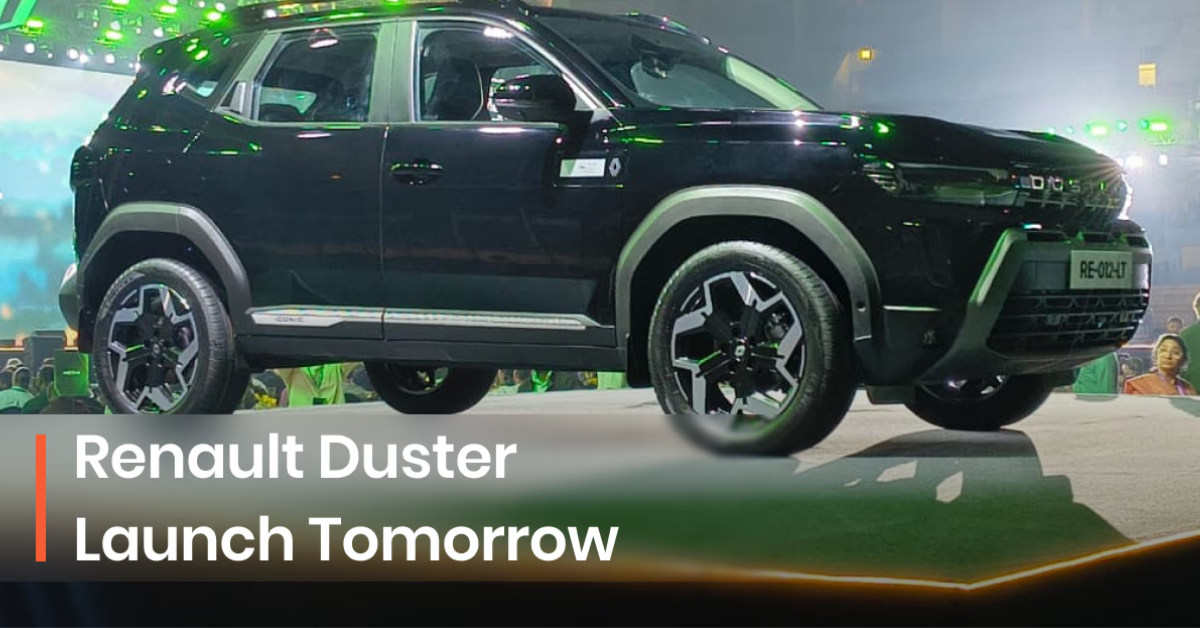
The Kait is based on the Renault Duster architecture, reflecting the Renault-Nissan alliance’s shared platforms. This gives it proven durability and adaptability for diverse markets.
Engineering expectations include:
- 1.6L four-cylinder petrol engine for Latin America
- Turbo-petrol and diesel options likely for India
- Manual and automatic transmissions to suit varied buyers
- Front-wheel drive standard, with possible AWD variants
By leveraging existing technology, Nissan can keep costs competitive while offering reliability.
Interior and Features
Inside, the Kait is expected to deliver a tech-rich cabin with comfort-oriented features. Anticipated highlights:
- Digital instrument cluster with customizable displays
- Large touchscreen infotainment system with smartphone integration
- Premium upholstery options for higher trims
- Ample cargo space for family use
Nissan is also likely to include ADAS (Advanced Driver Assistance Systems) in higher trims, aligning with global safety trends.
Market Position
The Kait will compete directly with:
- Hyundai Creta
- Kia Seltos
- Maruti Suzuki Grand Vitara
- Honda Elevate
- Skoda Kushaq
In Latin America, it will rival the Volkswagen Tera, Renault Kardian, and Fiat Pulse.
Pricing is expected to be aggressive, with estimates around ₹12–18 lakh in India, making it a strong contender in the mid-size SUV segment.
Strategic Importance
For Nissan, the Kait is more than just another SUV—it’s a revival strategy. In India, Nissan currently survives with only the Magnite. The Kait, along with two other planned models, will expand its portfolio and re-establish the brand’s presence.
Globally, the Kait helps Nissan:
- Strengthen its foothold in Latin America
- Offer a budget-friendly SUV for emerging markets
- Align with alliance partner Renault’s product roadmap
Why the Kait Matters
The SUV segment is booming worldwide, and Nissan has lagged behind competitors in recent years. The Kait addresses this gap by offering:
- Modern design to attract younger buyers
- Affordable pricing to compete with established rivals
- Global adaptability with localized production
It’s not just a car—it’s Nissan’s attempt to reclaim relevance in markets where SUVs dominate.
Conclusion
The Nissan Kait is poised to be a game-changer for the brand. With its stylish design, competitive features, and aggressive pricing, it has the potential to challenge segment leaders like the Creta and Seltos.
For buyers, the Kait promises a blend of modern technology, practicality, and affordability. For Nissan, it represents a fresh start—a chance to rebuild its identity in the SUV market.
As the Kait rolls out in Brazil and prepares for its India debut in 2026, all eyes will be on whether it can deliver on its promise and help Nissan reclaim its place among the leaders.

Hello, my name is Himanshu Kumar and I am an experienced Digital Marketer. I have been blogging for the last 4 years and I have special interest in SEO. Here I give you easy bikes and writes easy-to-understand reviews and news about the latest bikes, helping readers choose the best options.. My aim is to always provide you with accurate, new and useful information.