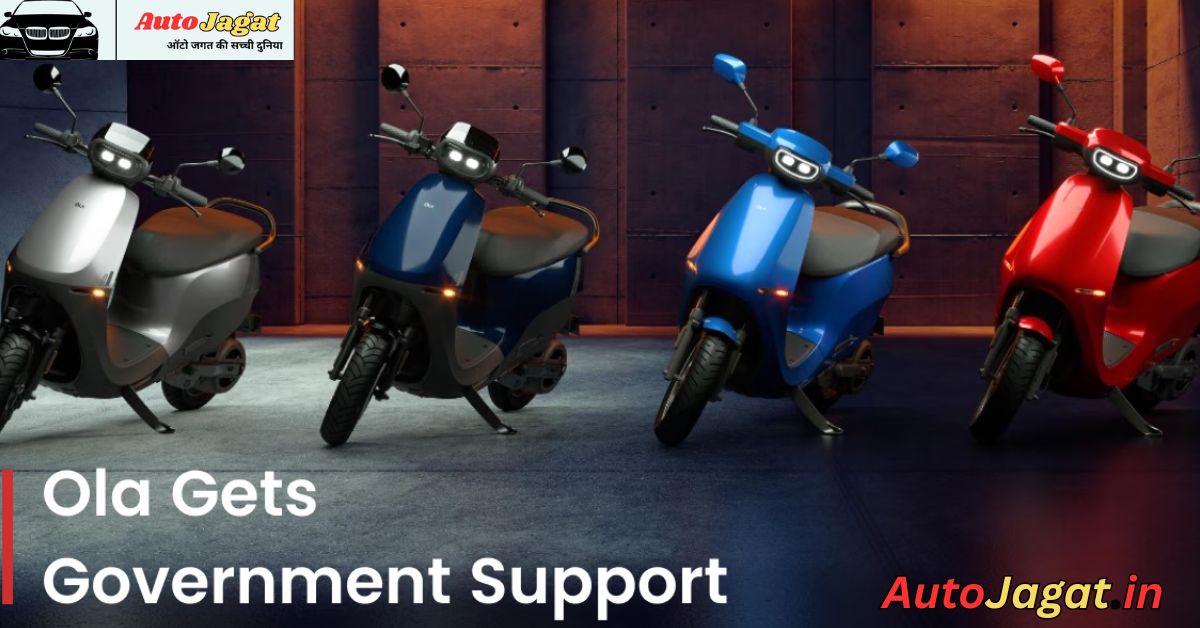
In a significant boost for India’s rapidly growing electric vehicle (EV) sector, Ola Electric has recently announced that it has received substantial support and recognition from the government. This development marks a pivotal moment in the country’s journey toward sustainable transportation and highlights the government’s commitment to promoting clean mobility solutions. As Ola Electric continues to innovate and expand its footprint, government backing not only validates its efforts but also accelerates its mission to revolutionize urban mobility across India.
Ola Electric: A Trailblazer in India’s EV Ecosystem
Founded in 2017, Ola Electric has quickly risen to prominence as one of India’s leading electric vehicle manufacturers, focusing primarily on electric scooters and plans to expand into other segments of the EV market. The company’s flagship model, the Ola S1 Pro, has garnered widespread popularity due to its stylish design, impressive range, and affordability—making electric mobility accessible to a broader demographic.
Ola Electric’s vision aligns with India’s national goals of reducing carbon emissions and decreasing dependence on fossil fuels. By promoting electric vehicles, the company aims to address urban pollution, improve air quality, and create a sustainable transportation ecosystem that benefits both consumers and the environment.
The Significance of Government Support
The recent support from the government comes in various forms—financial incentives, policy backing, infrastructure development, and strategic partnerships. Such backing not only boosts Ola Electric’s growth prospects but also signals a broader commitment from policymakers to accelerate the adoption of EVs nationwide.
India’s government has set ambitious targets to make the country a global leader in electric mobility. The Faster Adoption and Manufacturing of Hybrid and Electric Vehicles (FAME) scheme, introduced in 2015, has already provided subsidies and incentives to encourage EV adoption. The latest support to Ola Electric builds on this momentum, emphasizing the importance of private sector participation in achieving these goals.
Financial Incentives and Policy Support
One of the key aspects of government backing has been financial incentives aimed at reducing the upfront cost of electric vehicles for consumers. Ola Electric has benefited from these schemes, which include subsidies on vehicle purchases, reduced registration fees, and tax benefits. Such incentives make electric scooters and vehicles more affordable for the average Indian consumer, thus expanding the market base.
Furthermore, policymakers are working on creating a conducive regulatory environment that encourages investments in EV manufacturing, charging infrastructure, and research & development. For Ola Electric, this translates into favorable policies that facilitate faster production, easier licensing, and access to raw materials—factors crucial for scaling up operations.
Infrastructure Development: Charging Stations and Beyond
A significant challenge in EV adoption has been the lack of widespread charging infrastructure. Recognizing this, the government has committed to developing a robust network of charging stations across cities and highways. Ola Electric is expected to play a vital role in this initiative by collaborating with government agencies to establish charging hubs in urban centers, transit corridors, and rural areas.
The company has already announced plans to deploy thousands of charging points, making electric mobility more convenient and accessible. This infrastructure push is essential to dispel range anxiety—the fear of running out of charge—thereby encouraging more consumers to switch to electric vehicles.
Strategic Collaborations and Future Growth
Government backing also paves the way for strategic collaborations between Ola Electric and other stakeholders—automakers, technology providers, and energy companies. These partnerships can foster innovation in battery technology, vehicle design, and energy management systems.
Ola Electric’s plans extend beyond scooters; the company has announced intentions to venture into electric cars, buses, and commercial vehicles. With government support, these initiatives are likely to gain momentum, making electric mobility a comprehensive solution for India’s diverse transportation needs.
Environmental and Economic Impact
The positive environmental implications of this support cannot be overstated. Electric vehicles produce zero tailpipe emissions, significantly reducing air pollution—a critical concern in Indian cities plagued by smog and particulate matter. By promoting EV adoption, the government and Ola Electric are contributing to cleaner air and healthier urban environments.
Economically, the growth of the EV industry can generate millions of jobs—from manufacturing and maintenance to charging infrastructure and software development. It can also reduce India’s oil import bills, strengthening energy security and promoting technological self-reliance.
Challenges and the Road Ahead
While government support provides a much-needed boost, several challenges remain. These include ensuring affordable battery prices, developing a reliable charging infrastructure, creating consumer awareness, and establishing a comprehensive supply chain for raw materials.
Ola Electric’s ability to navigate these hurdles will determine its long-term success. Continued collaboration with government agencies, focus on innovation, and commitment to sustainability will be crucial in shaping India’s electric future.
Conclusion: A Bright Future for Electric Mobility in India
Ola Electric’s recent recognition and support from the government mark a significant milestone in India’s journey towards sustainable transportation. By fostering an ecosystem that encourages innovation, infrastructure development, and consumer adoption, the country is positioning itself as a global leader in electric mobility.
As Ola Electric ramps up its operations and expands its product offerings, the combined efforts of the private sector and government initiatives will accelerate India’s transition to cleaner, smarter, and more sustainable urban transportation. The road ahead is promising, and with continued support and innovation, electric vehicles will soon become an integral part of everyday life for millions across India.

Hello, my name is Himanshu Kumar and I am an experienced Digital Marketer. I have been blogging for the last 4 years and I have special interest in SEO. Here I give you easy bikes and writes easy-to-understand reviews and news about the latest bikes, helping readers choose the best options.. My aim is to always provide you with accurate, new and useful information.