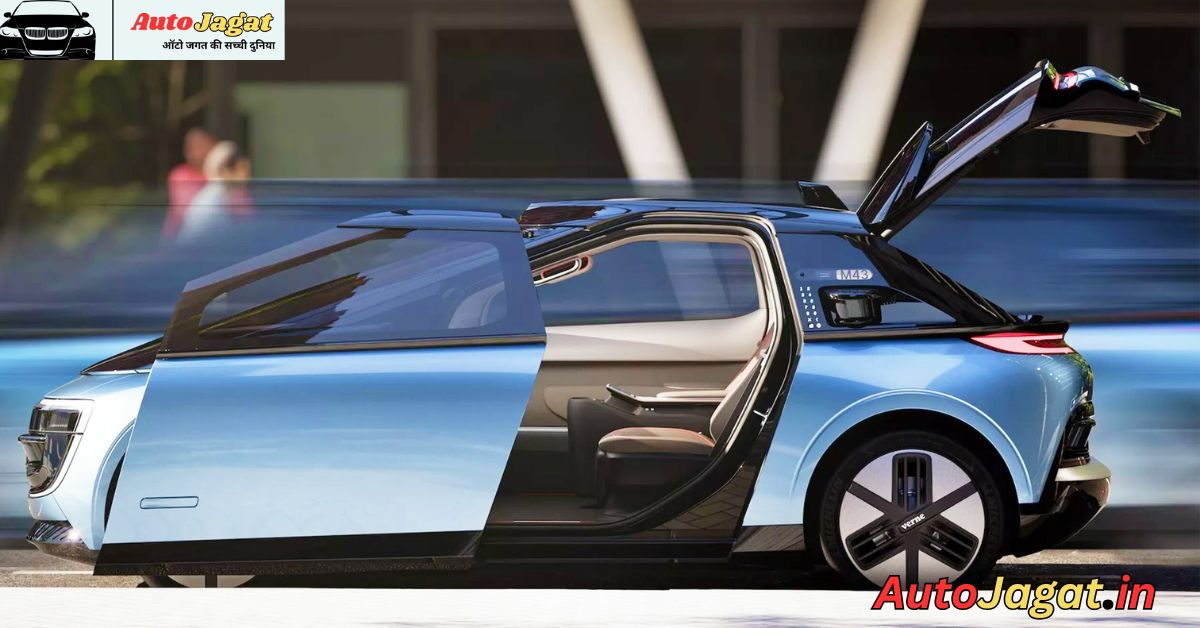
Croatian innovator Mate Rimac, best known for hypercars like the Nevera, has unveiled his next big venture: Verne, a fully electric, autonomous robotaxi ecosystem. With 60 prototypes already built and testing underway, Verne promises to redefine urban mobility starting in Zagreb, before expanding globally.
From Hypercars to Robotaxis
Mate Rimac has earned global recognition for pushing the boundaries of electric performance cars. But his latest project, Verne, shifts focus from speed to accessibility. Co-founded with Marko Pejković and Adriano Mudri, Verne is designed as a purpose-built autonomous mobility service, not just another car retrofitted with self-driving tech.
This marks a strategic pivot: while Rimac’s hypercars showcase engineering extremes, Verne aims to solve everyday urban transport challenges—affordability, sustainability, and inclusivity.
The Verne Ecosystem
Verne isn’t just about cars; it’s a three-part ecosystem:
- Autonomous electric vehicle: A sleek two-seater designed from the ground up for self-driving.
- Bespoke app: Users can hail rides, customize preferences, and manage trips seamlessly.
- Specialized infrastructure: Charging, maintenance, and pick-up hubs tailored for robotaxi operations.
This holistic approach ensures Verne isn’t dependent on existing ride-hailing platforms or retrofitted vehicles, but instead builds a dedicated system optimized for autonomy.
Design and User Experience
The Verne concept car is strikingly different from traditional taxis. It features:
- Two-seat layout: Prioritizing efficiency for short urban trips.
- 43-inch interior screen: Entertainment, navigation, and communication at passengers’ fingertips.
- Customizable ambiance: Even the scent inside the cabin can be tailored before entry.
This focus on personalization reflects Rimac’s belief that robotaxis should be more than functional—they should be enjoyable experiences.
Progress and Prototypes
In late 2025, Rimac revealed 60 Verne prototypes at the Rimac Campus, exceeding initial targets. These vehicles are now entering hardcore testing phases, covering everything from safety validation to real-world urban trials.
The first commercial launch is planned for Zagreb in 2026, making Croatia the birthplace of Rimac’s autonomous mobility revolution.
Accessibility and Affordability
Verne promises rides that are cheaper than existing ride-hailing options, making autonomy accessible to wider demographics. Importantly, Rimac has emphasized inclusivity, noting that Verne could be a perfect mobility solution for people with disabilities, thanks to its design flexibility and app-based customization.
Challenges and Opportunities
While Verne is ambitious, challenges remain:
- Regulatory hurdles: Autonomous vehicles face strict approval processes in Europe and beyond.
- Public trust: Convincing riders to embrace driverless cars requires flawless safety records.
- Competition: Rivals like Waymo and Cruise are already operating robotaxi fleets in the U.S.
Yet, Rimac’s advantage lies in building a purpose-built vehicle and ecosystem, rather than adapting existing cars. This could give Verne a unique edge in efficiency and user experience.
Final Thoughts
The launch of Verne signals a new chapter for Mate Rimac. From hypercars that break speed records to robotaxis that promise affordable, sustainable urban mobility, Rimac is proving that innovation isn’t limited to luxury—it can transform everyday life.
If successful, Verne could position Croatia as a pioneer in autonomous mobility and set a global benchmark for how cities adopt robotaxis. For Rimac, it’s not just about building cars—it’s about building the future of mobility.

Hello, my name is Himanshu Kumar and I am an experienced Digital Marketer. I have been blogging for the last 4 years and I have special interest in SEO. Here I give you easy bikes and writes easy-to-understand reviews and news about the latest bikes, helping readers choose the best options.. My aim is to always provide you with accurate, new and useful information.