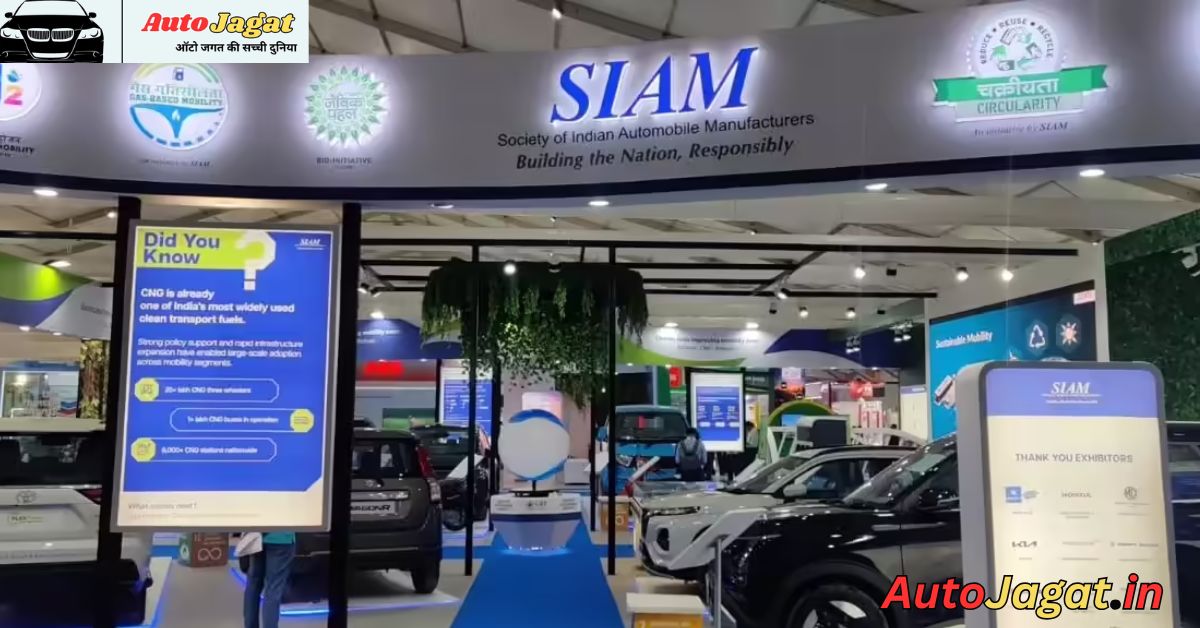
The Society of Indian Automobile Manufacturers (SIAM) has taken a bold step toward shaping the future of transportation in India by launching its first Sustainable Mobility Week in New Delhi. This landmark initiative, held from February 16–19, 2026, at the India Habitat Centre, brought together policymakers, industry leaders, researchers, and global stakeholders to deliberate on pressing issues of sustainability, decarbonisation, and the evolving mobility ecosystem.
A Platform for Collaboration
Sustainable Mobility Week was designed as a multi-day program to foster dialogue and collaboration across sectors. The event opened with the 4th International Symposium for Thriving Eco-Energy in Mobility (ISTEM), themed “Partnering for a Sustainable Future: Accelerating India’s Multi-Fuel Mobility Transition.” This set the tone for discussions on how India can balance its ambitious decarbonisation goals with practical pathways for mobility.
Key stakeholders included:
- Government policymakers shaping regulatory frameworks.
- Automobile industry leaders driving innovation in vehicles and fuels.
- Researchers and academics providing evidence-based insights.
- International delegates sharing global best practices.
Focus Areas of the Week
The deliberations spanned several critical themes:
- Decarbonisation Strategies: India’s mobility sector is a major contributor to emissions. The event emphasized ethanol blending, hydrogen fuel, electric vehicles (EVs), and alternate fuels as pillars of the country’s decarbonisation roadmap.
- Multi-Fuel Transition: Rather than relying solely on EVs, SIAM advocated a diversified approach. Multi-fuel pathways—including biofuels, hydrogen, and hybrid technologies—were highlighted as essential to meeting India’s energy security and sustainability needs.
- Road Safety: With India facing high road accident rates, safety innovations and stricter compliance standards were discussed as integral to sustainable mobility.
- Circularity and Material Compliance: The auto industry is increasingly focusing on recycling, reusing, and reducing waste. Circular economy principles were showcased as vital for reducing environmental impact.
Why This Matters for India
India’s mobility ecosystem is at a crossroads. Rapid urbanisation, rising vehicle ownership, and growing energy demands pose challenges to sustainability. SIAM’s initiative is significant because:
- It aligns with India’s climate commitments under the Paris Agreement.
- It supports the government’s push for energy independence by reducing reliance on imported fossil fuels.
- It encourages innovation and investment in clean technologies, creating opportunities for startups and established players alike.
- It fosters global collaboration, ensuring India learns from and contributes to international sustainability efforts.
Industry and Policy Synergy
One of the most important outcomes of Sustainable Mobility Week was the synergy between industry and policymakers. By working together, they can:
- Develop clear regulatory frameworks for emerging technologies.
- Provide incentives for clean mobility solutions, such as subsidies for EVs or tax breaks for biofuel adoption.
- Ensure infrastructure readiness, including charging stations, hydrogen refueling networks, and ethanol supply chains.
- Promote public awareness campaigns to encourage adoption of sustainable practices.
Looking Ahead
Sustainable Mobility Week is not just a one-off event—it signals a long-term commitment by SIAM and the Indian auto industry to sustainability. The conversations initiated here are expected to shape future policies, investments, and innovations.
India’s journey toward sustainable mobility will require:
- Continued research and innovation in alternative fuels and vehicle technologies.
- Robust infrastructure development to support new mobility solutions.
- Public-private partnerships to accelerate adoption.
- Global collaboration to ensure India remains aligned with international standards and practices.
Conclusion
SIAM’s Sustainable Mobility Week marks a turning point in India’s mobility narrative. By embracing a multi-fuel approach, prioritizing safety, and embedding circular economy principles, India is charting a path toward a greener, safer, and more resilient future.
This initiative underscores the fact that sustainable mobility is not just about vehicles—it’s about creating a holistic ecosystem where technology, policy, and people converge to drive meaningful change.

Hello, my name is Himanshu Kumar and I am an experienced Digital Marketer. I have been blogging for the last 4 years and I have special interest in SEO. Here I give you easy bikes and writes easy-to-understand reviews and news about the latest bikes, helping readers choose the best options.. My aim is to always provide you with accurate, new and useful information.