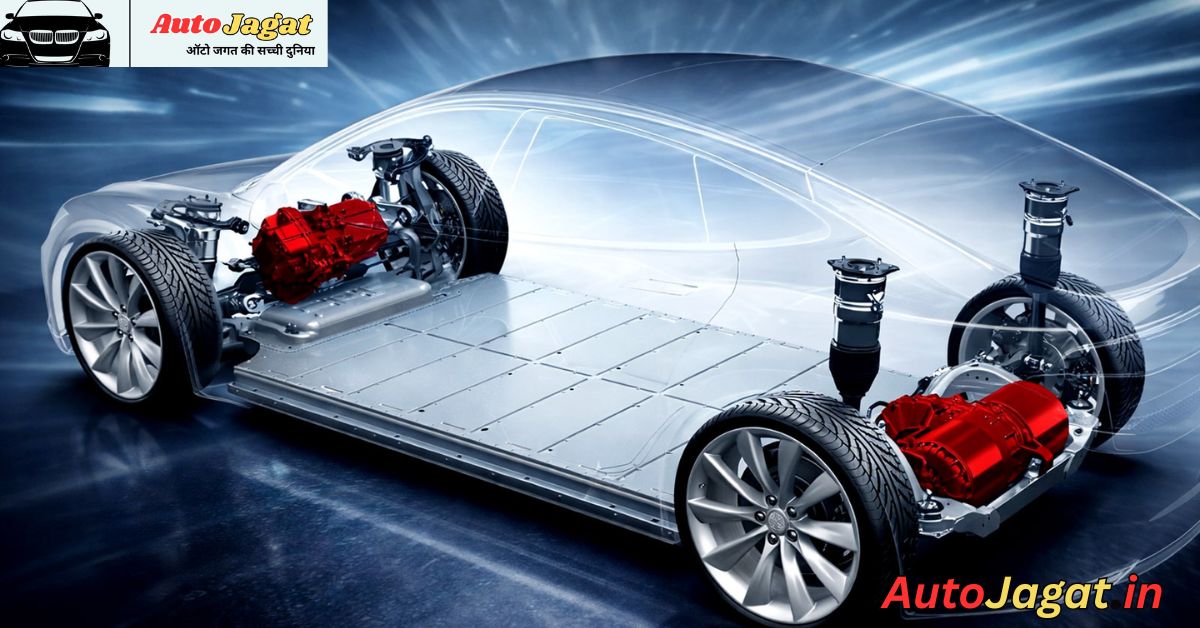
Electric vehicles (EVs) have revolutionized the automotive industry, and Tesla remains at the forefront of this transformation. Yet, one persistent concern among prospective buyers and current owners is the cost of battery replacement or upgrades. Since the battery pack is the single most expensive component of an EV, understanding the financial implications of a Tesla battery upgrade is crucial for long-term ownership planning.
Current Costs of Tesla Battery Upgrades
- Model S and Model X: Replacement costs typically range from $15,000 to $20,000. These vehicles use larger battery packs, which drive up the expense.
- Model 3 and Model Y: Owners can expect costs between $12,000 and $16,000, depending on the pack size and labor charges.
- Labor and Service Fees: Installation adds several thousand dollars to the bill, making the total replacement cost significant.
Factors Influencing Costs
Several variables determine the final price of a Tesla battery upgrade:
- Battery Size: Larger packs (e.g., 100 kWh in the Model S) cost more than smaller ones (e.g., 75 kWh in the Model 3).
- Warranty Coverage: Tesla’s battery warranty spans 8 years or 100,000–150,000 miles, depending on the model. Many replacements occur under warranty, minimizing out-of-pocket expenses.
- Technological Advances: As battery technology improves, costs are gradually declining. In 2025, pack prices hover around $115/kWh, with projections to drop to $69/kWh by 2030.
- Location and Service Availability: Costs vary depending on regional labor rates and Tesla service center accessibility.
How Often Do Tesla Batteries Need Replacement?
Contrary to common fears, battery replacements are rare. Studies show that only 2.5% of EVs require a battery replacement, and 90% of those occur under warranty. Tesla batteries are designed to last well beyond 300,000 miles, meaning most owners will never face a full replacement during typical ownership.
Long-Term Financial Perspective
Even factoring in a potential battery replacement, EVs remain more cost-effective than gasoline vehicles:
- Fuel Savings: Tesla owners save thousands annually by avoiding rising fuel costs.
- Maintenance Savings: EVs have fewer moving parts, reducing repair and servicing expenses.
- Lifetime Value: Over a typical ownership period, EVs save owners over $26,000 compared to gasoline cars, even when accounting for a battery replacement.
Future Outlook
The trajectory of battery technology suggests that costs will continue to decline:
- Economies of Scale: As Tesla and other manufacturers ramp up production, battery pack prices will drop.
- Next-Gen Chemistry: Advances in lithium-iron-phosphate (LFP) and solid-state batteries promise cheaper, longer-lasting packs.
- Sustainability: Tesla’s recycling initiatives aim to recover valuable materials, further reducing future replacement costs.
Risks and Considerations
While Tesla battery upgrades are becoming more affordable, owners should remain aware of potential challenges:
- Out-of-Warranty Costs: If a battery fails outside warranty, expenses can be significant.
- Third-Party Repairs: Independent EV repair shops may offer lower prices, but quality and warranty implications should be carefully considered.
- Resale Value: Vehicles with newer battery packs often command higher resale prices, making upgrades potentially beneficial for long-term owners.
Conclusion
Tesla battery upgrade costs in 2025 remain substantial, but they are not the financial burden many fear. With warranties covering most replacements, declining battery prices, and rare instances of failure, Tesla ownership continues to be financially advantageous compared to traditional vehicles. For current and future Tesla owners, the key takeaway is clear: battery upgrades are expensive today, but costs are falling, and the long-term economics of EV ownership remain firmly in Tesla’s favor.

Hello, my name is Himanshu Kumar and I am an experienced Digital Marketer. I have been blogging for the last 4 years and I have special interest in SEO. Here I give you easy bikes and writes easy-to-understand reviews and news about the latest bikes, helping readers choose the best options.. My aim is to always provide you with accurate, new and useful information.