When you think of trucks, the image that usually comes to mind is a hulking pickup with oversized tires and a roaring engine. But in Japan—and increasingly across the globe—there’s a different kind of truck quietly winning hearts: the tiny Kei truck. These pint-sized workhorses are redefining what utility vehicles can be, blending practicality, affordability, and undeniable charm into a package that’s as versatile as it is adorable.
What Is a Kei Truck?
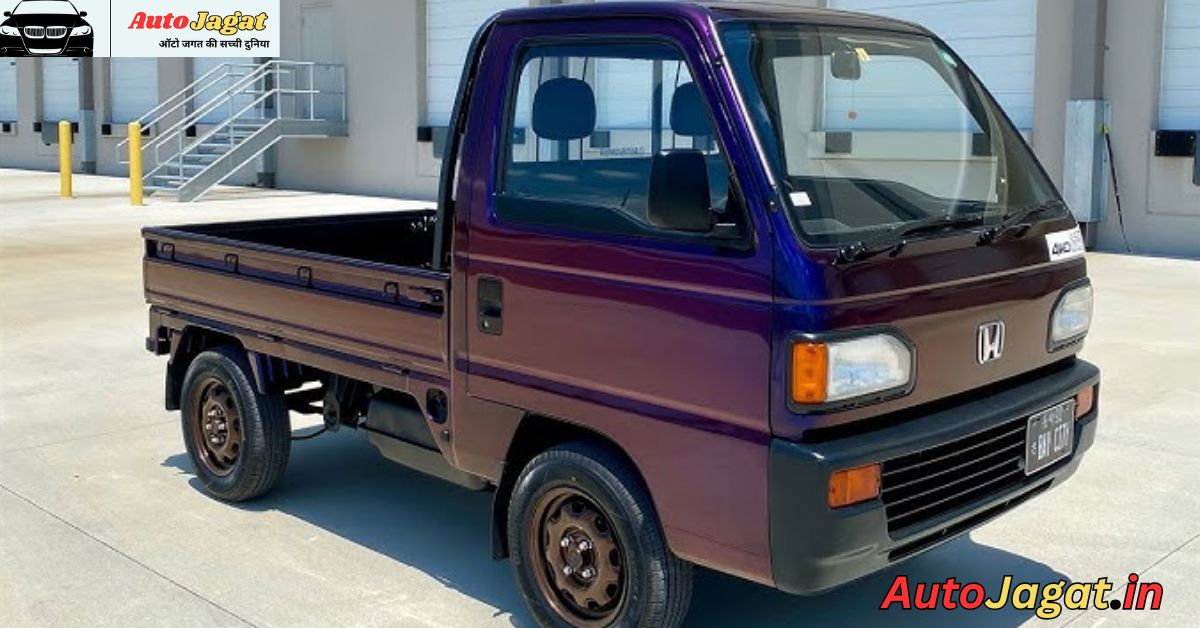
Kei trucks, or kei-tora in Japanese, are part of Japan’s “kei car” category—vehicles designed to meet strict regulations on size, engine displacement, and power output. Originally introduced in the 1940s and standardized in the 1950s, kei cars were meant to provide affordable transportation for everyday people while keeping congestion and fuel consumption low.
A kei truck typically features:
- Compact dimensions: Around 11 feet long and 5 feet wide.
- Small engines: Usually under 660cc, with modest horsepower.
- Lightweight build: Easy to maneuver in tight spaces.
- Flatbed or cargo area: Perfect for hauling tools, produce, or equipment.
Despite their small size, these trucks are engineered for durability and efficiency, making them indispensable in rural Japan for farmers, gardeners, and small businesses.
Why Kei Trucks Are Gaining Popularity Worldwide
In recent years, kei trucks have found fans far beyond Japan. Enthusiasts in the United States, Europe, and Southeast Asia are importing them for both practical and recreational use. Here’s why:
- Affordability: Kei trucks are significantly cheaper than full-size pickups, both in purchase price and maintenance.
- Fuel efficiency: Their small engines sip fuel, making them eco-friendly compared to larger trucks.
- Versatility: Whether it’s hauling hay bales, landscaping equipment, or camping gear, kei trucks punch above their weight.
- Unique style: Their quirky, boxy design and miniature proportions make them stand out in a crowd.
Some owners even customize their kei trucks into camper conversions, mobile coffee stands, or off-road adventure rigs.
Everyday Uses
The beauty of a kei truck lies in its adaptability. Here are a few real-world scenarios where these vehicles shine:
- Agriculture: Farmers use them to transport crops, tools, and livestock feed across narrow dirt paths.
- Construction: Small contractors appreciate their ability to carry materials without needing a bulky vehicle.
- Urban deliveries: In crowded cities, kei trucks can weave through traffic and park in tight spots.
- Recreation: Outdoor enthusiasts convert them into mini campers or use them to haul bikes, kayaks, and gear.
The Cultural Appeal
Beyond utility, kei trucks have become cultural icons. Their “cute but capable” aesthetic resonates with people who value simplicity and charm. Social media is full of kei truck fan pages showcasing creative paint jobs, quirky modifications, and scenic adventures.
In Japan, they embody the philosophy of monozukuri—craftsmanship and efficiency in design. Abroad, they represent a refreshing alternative to oversized vehicles, appealing to those who want something practical yet fun.
Challenges and Considerations
Of course, kei trucks aren’t perfect. Their small engines limit speed and towing capacity, making them less suitable for long highway drives. Import regulations can also complicate ownership outside Japan, with some countries requiring modifications to meet safety standards.
Still, for local use, light hauling, and sheer enjoyment, kei trucks deliver more than expected.
Conclusion
The tiny kei truck is proof that bigger isn’t always better. With their compact size, affordability, and undeniable personality, these vehicles are carving out a niche worldwide. Whether you’re a farmer needing a reliable workhorse, a city dweller seeking a nimble delivery vehicle, or an adventurer dreaming of a quirky camper, the kei truck offers a delightful blend of practicality and charm.

Hello, my name is Himanshu Kumar and I am an experienced Digital Marketer. I have been blogging for the last 4 years and I have special interest in SEO. Here I give you easy bikes and writes easy-to-understand reviews and news about the latest bikes, helping readers choose the best options.. My aim is to always provide you with accurate, new and useful information.