The trucking industry has always been about endurance—long hours, heavy loads, and challenging terrains. For drivers, the cabin is not just a workplace but a second home, and comfort plays a critical role in their health, productivity, and safety. Recognizing this, Toyota has unveiled a groundbreaking innovation: a shock‑absorbing truck seat designed to minimize vibrations, reduce fatigue, and enhance overall driving experience. This development could mark a turning point in how we think about ergonomics in commercial vehicles.
The Problem: Driver Fatigue and Road Vibrations
Truck drivers often spend 8–12 hours behind the wheel, navigating highways, uneven roads, and construction zones. Traditional truck seats, even with basic suspension systems, struggle to absorb the constant vibrations and jolts that come from heavy-duty driving. Over time, these vibrations contribute to musculoskeletal strain, back pain, and fatigue, which not only affect driver health but also compromise safety.
Studies have shown that prolonged exposure to road vibrations can lead to reduced concentration, slower reaction times, and long-term health issues. For an industry that relies on efficiency and safety, this is a challenge that demands innovation.
Toyota’s Solution: Engineering Comfort into the Seat
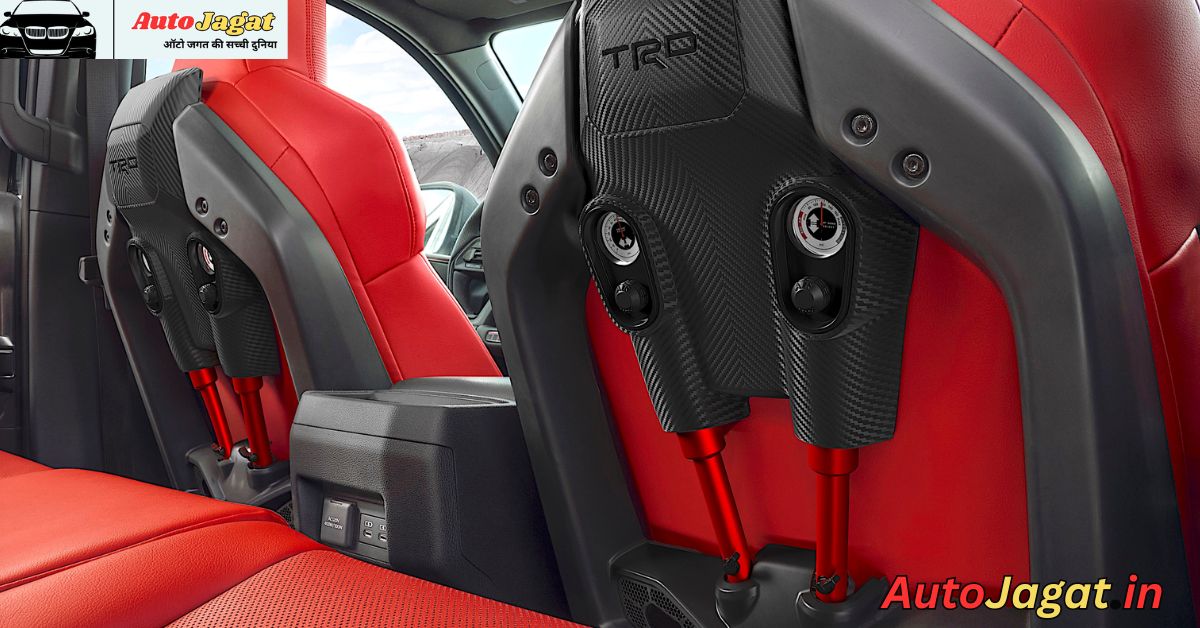
Toyota’s shock‑absorbing truck seat is not just a minor upgrade—it’s a revolution in seat engineering. The design integrates advanced materials and mechanical systems that work together to dampen vibrations before they reach the driver.
Key elements include:
- Adaptive suspension technology built into the seat base, which responds dynamically to road conditions.
- Energy‑absorbing foam layers that distribute impact forces evenly across the seat.
- Smart dampers that adjust stiffness depending on the intensity of vibrations.
- Ergonomic shaping to support the spine and reduce pressure points during long drives.
This combination ensures that drivers experience smoother rides, even on rough terrain, reducing the physical toll of long hours behind the wheel.
Benefits Beyond Comfort
While comfort is the most obvious benefit, Toyota’s innovation goes much deeper. The shock‑absorbing seat has the potential to:
- Improve driver health: By reducing exposure to harmful vibrations, the seat helps prevent chronic back pain and fatigue.
- Enhance safety: A more comfortable driver is a more alert driver. Reduced fatigue translates into quicker reaction times and fewer accidents.
- Boost productivity: Drivers who feel less exhausted can cover longer distances more efficiently, improving logistics performance.
- Extend career longevity: Healthier working conditions mean drivers can sustain their careers without being forced into early retirement due to physical strain.
Technology Meets Ergonomics
Toyota has always been known for blending technology with human‑centric design, and the shock‑absorbing seat is a perfect example. Engineers collaborated with ergonomics experts and medical researchers to understand how vibrations affect the human body. The result is a seat that doesn’t just cushion—it actively protects the driver’s musculoskeletal system.
The seat is also designed with adjustability in mind. Drivers can fine‑tune settings such as lumbar support, seat height, and damping levels to suit their personal preferences. This customization ensures that every driver, regardless of body type or driving style, can find their optimal comfort zone.
Implications for the Trucking Industry
Toyota’s innovation could set a new standard for commercial vehicle design. If widely adopted, shock‑absorbing seats could become a mandatory feature in heavy‑duty trucks, much like airbags and ABS in passenger cars.
Fleet operators stand to benefit as well. Healthier drivers mean fewer sick days, lower medical costs, and higher retention rates in an industry that struggles with driver shortages. Moreover, improved safety records could reduce insurance premiums and enhance brand reputation.
Looking Ahead: Could This Expand Beyond Trucks?
While the seat is currently designed for trucks, the technology has potential applications in other vehicles. Construction equipment, buses, and even passenger cars could benefit from advanced vibration‑dampening seats. Imagine long‑distance commuters enjoying the same fatigue‑reducing comfort as professional truck drivers.
Toyota’s innovation also opens doors for integration with smart vehicle systems. Future iterations could include sensors that monitor driver posture, fatigue levels, and even heart rate, adjusting seat dynamics in real time to optimize comfort and safety.
Conclusion
The shock‑absorbing truck seat from Toyota is more than just a piece of furniture—it’s a health and safety innovation that could reshape the trucking industry. By tackling the age‑old problem of road vibrations, Toyota has demonstrated its commitment to driver well‑being and operational efficiency.
For drivers, this means fewer aches, less fatigue, and safer journeys. For fleet operators, it means healthier employees and better performance. And for the industry as a whole, it signals a future where ergonomics and technology work hand in hand to make trucking not just more efficient, but more humane.
Toyota has once again proven that innovation isn’t just about engines and horsepower—it’s about people. The shock‑absorbing truck seat is a reminder that sometimes, the most impactful advancements are the ones that make life on the road a little easier, a little safer, and a lot more comfortable.

Hello, my name is Himanshu Kumar and I am an experienced Digital Marketer. I have been blogging for the last 4 years and I have special interest in SEO. Here I give you easy bikes and writes easy-to-understand reviews and news about the latest bikes, helping readers choose the best options.. My aim is to always provide you with accurate, new and useful information.