The automotive industry is undergoing one of its most profound transformations in history. As vehicles evolve into software-defined machines, traditional domain-based electronic architectures are proving inadequate to handle the complexity of electrification, connectivity, and autonomous driving. Enter zonal architectures—a new design philosophy that organizes electronic control units (ECUs) by physical location rather than function. This shift is not just technical; it represents a fundamental rethinking of how vehicles are built, maintained, and experienced.
From Domain to Zonal: The Evolution of Vehicle Electronics
- Domain Architecture (Old Model): ECUs grouped by function—powertrain, body, infotainment, ADAS. While effective initially, this model led to hundreds of ECUs, tangled wiring harnesses, and inefficiencies.
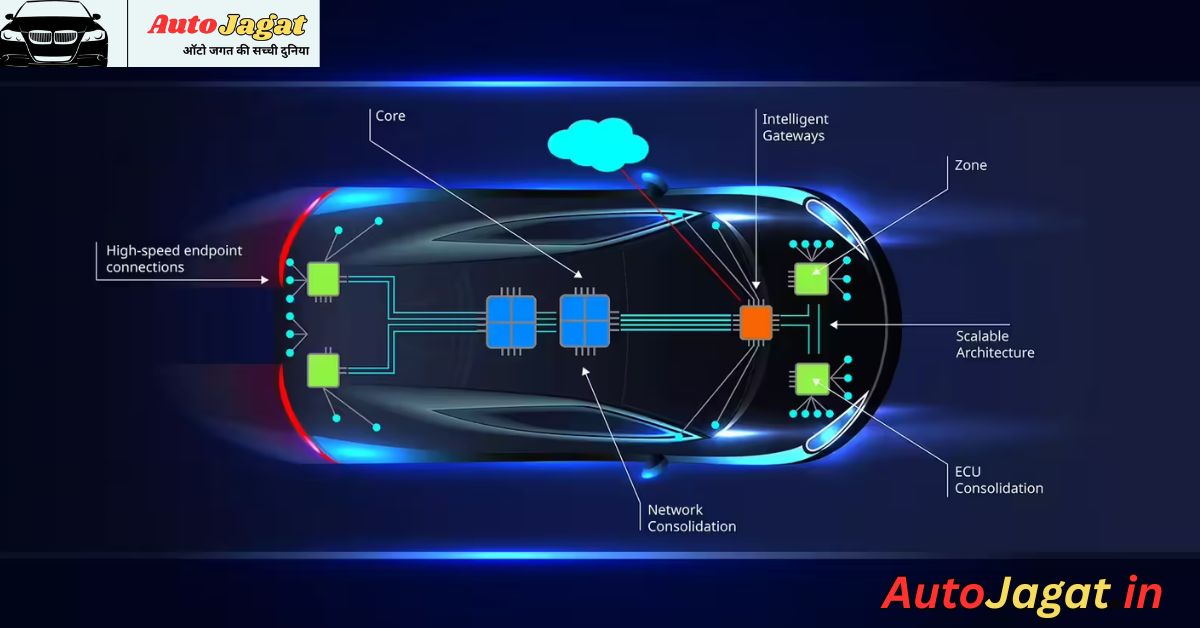
- Zonal Architecture (New Model): ECUs grouped by physical zones (front, rear, left, right). Each zone is managed by a Zonal Control Unit (ZCU), which consolidates local control and communicates with a central computing hub.
Key Difference: Instead of long wiring harnesses stretching across the car, zonal systems shorten connections by keeping control local, reducing complexity and weight.
Benefits of Zonal Architectures
1. Reduced Wiring and Weight
- Traditional wiring harnesses can weigh up to 50 kg in modern vehicles.
- Zonal systems cut wiring length dramatically, reducing vehicle weight and improving efficiency.
2. Scalability and Modularity
- Automakers can design modular zones, making it easier to add new features or upgrade systems without redesigning the entire vehicle.
- This modularity supports faster innovation cycles and easier customization across models.
3. Enhanced Reliability and Safety
- Localized control reduces latency, ensuring faster responses for critical systems like ADAS and braking.
- Simplified wiring lowers the risk of electrical faults, improving overall reliability.
4. Software-Defined Vehicles (SDVs)
- Zonal architectures enable centralized computing, allowing vehicles to be updated via over-the-air (OTA) software upgrades.
- This transforms cars into dynamic platforms, where features can be added or improved post-purchase.
Impact on Electric and Autonomous Vehicles
- Electric Vehicles (EVs): Zonal systems streamline power distribution, improving efficiency and reducing manufacturing costs.
- Autonomous Vehicles (AVs): With sensors and cameras distributed across the car, zonal architectures ensure real-time data processing and seamless integration with AI-driven decision-making.
- Connectivity: Vehicles become part of a broader digital ecosystem, interacting with infrastructure, other vehicles, and cloud services.
Challenges in Implementation
While promising, zonal architectures are not without hurdles:
- Transition Costs: Automakers must overhaul design and manufacturing processes.
- Cybersecurity Risks: Centralized computing increases exposure to hacking, requiring robust security frameworks.
- Standardization: Industry-wide standards are still evolving, which may slow adoption.
The Road Ahead
Zonal architectures are more than a technical upgrade—they are the foundation of next-generation mobility. By reducing complexity, enabling software-defined functionality, and supporting electrification, they position automakers to deliver vehicles that are lighter, safer, smarter, and more sustainable.
As industry leaders like Tesla, BMW, and Toyota experiment with zonal systems, the broader automotive ecosystem—from suppliers to regulators—must adapt. In the coming decade, zonal architectures will likely become the default design paradigm, shaping not only how cars are built but how they evolve throughout their lifecycle.
Conclusion
The shift from domain to zonal architectures marks a paradigm change in vehicle electronics. It simplifies wiring, enhances safety, and unlocks the potential of software-defined vehicles. For consumers, this means cars that are smarter, more reliable, and continuously upgradable. For automakers, it represents a chance to redefine innovation and efficiency in an industry racing toward electrification and autonomy.
Zonal architectures are not just transforming vehicles—they are reshaping the very future of mobility.

Hello, my name is Himanshu Kumar and I am an experienced Digital Marketer. I have been blogging for the last 4 years and I have special interest in SEO. Here I give you easy bikes and writes easy-to-understand reviews and news about the latest bikes, helping readers choose the best options.. My aim is to always provide you with accurate, new and useful information.