The electric revolution has often been associated with sleek screens, touch-sensitive panels, and minimalistic cabins. Yet, Volkswagen’s latest reveal—the ID. Polo interior for 2026—signals a surprising return to something many drivers thought was gone for good: physical buttons and tactile controls.
A Shift in Design Philosophy
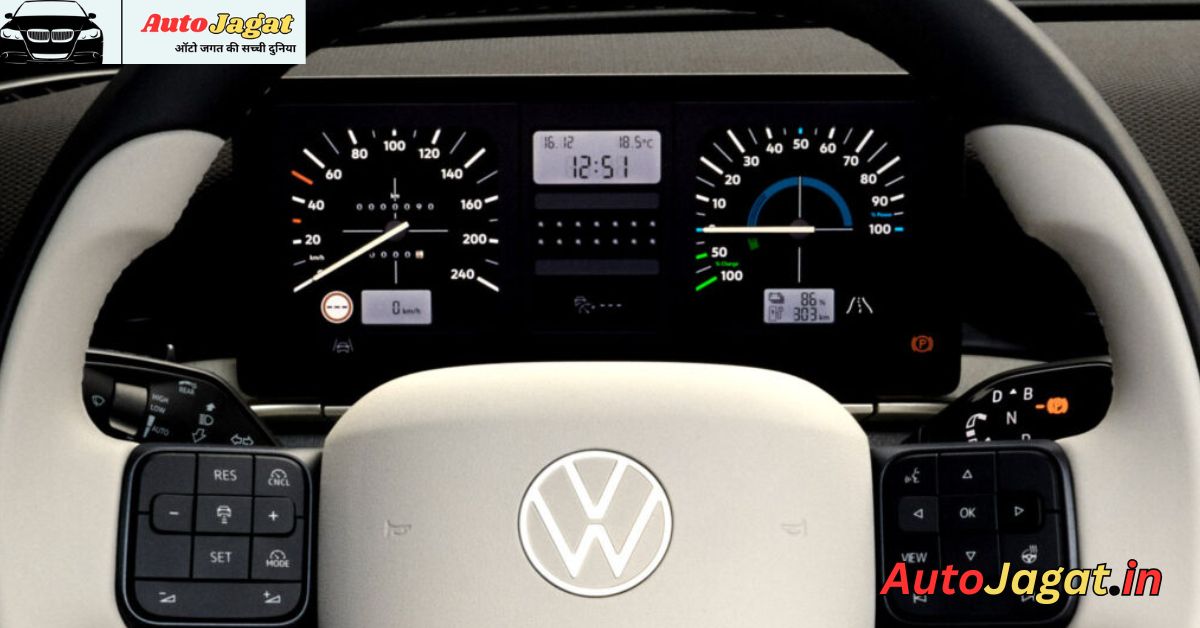
Volkswagen has listened to years of customer feedback. While digital dashboards and touch sliders looked futuristic, many drivers found them unintuitive and distracting. The ID. Polo marks a course correction, bringing back grouped hard keys on the steering wheel and classic toggles reminiscent of the 1980s Golf.
This isn’t just nostalgia—it’s practicality. Physical buttons allow drivers to adjust climate, audio, and navigation without taking their eyes off the road. In an era where safety and user experience are paramount, Volkswagen’s decision feels both bold and refreshing.
Key Interior Highlights
The ID. Polo’s cabin blends retro charm with modern EV sophistication:
- Physical buttons return: Steering wheel controls and dashboard switches provide tactile feedback.
- Retro-inspired graphics: Display toggles mimic vintage Golf-style visuals, adding character.
- Fabric-covered surfaces: Dashboard and door inserts create a warm, inviting atmosphere.
- Updated infotainment system: Clean lines, structured screens, and intuitive menus.
- High-quality materials: Volkswagen emphasizes durability and comfort across all touchpoints.
Why It Matters
The ID. Polo is Volkswagen’s first entry-level EV designed under new design chief Andreas Mindt. His philosophy—“Pure Positive”—focuses on creating interiors that feel approachable, friendly, and easy to use. By reintroducing physical controls, VW is acknowledging that technology should serve people, not overwhelm them.
This move could set a precedent for other automakers. As EVs become mainstream, manufacturers may realize that not every innovation needs to be digital. Sometimes, the familiar click of a button is exactly what drivers want.
Balancing Modern and Classic
The ID. Polo doesn’t abandon modernity. Its infotainment system is fully digital, offering connectivity, navigation, and EV-specific features like range monitoring and charging station locators. But these are complemented—not replaced—by tactile controls.
This balance ensures that the car appeals to both tech-savvy younger buyers and older drivers who value simplicity. It’s a clever way to broaden the ID. Polo’s market reach.
Competitive Context
Volkswagen’s rivals—Tesla, Hyundai, and BYD—have leaned heavily into touchscreens and minimalism. Tesla’s Model 3, for instance, famously eliminated most physical buttons. While this approach has fans, it also frustrates drivers who prefer quick, tactile access.
By contrast, Volkswagen is carving out a niche: EVs with human-friendly interiors. This could become a unique selling point, especially in Europe, where the Polo name carries decades of trust and familiarity.
Risks and Challenges
Of course, there are risks. Some critics may argue that physical buttons clutter the cabin or feel outdated. Others may worry that adding more hardware increases manufacturing costs. Volkswagen must ensure that the ID. Polo’s pricing remains competitive in the entry-level EV segment.
Conclusion
The VW ID. Polo interior is more than a design tweak—it’s a statement. By bringing back physical buttons and retro-inspired elements, Volkswagen is redefining what an EV cabin can be. It’s a reminder that innovation doesn’t always mean abandoning the past; sometimes, it means reimagining it for the future.
With its blend of nostalgia, practicality, and modern EV tech, the ID. Polo could become a benchmark for accessible electric cars. For drivers who miss the reassuring feel of a button click, Volkswagen’s latest hatchback offers a welcome return.

Hello, my name is Himanshu Kumar and I am an experienced Digital Marketer. I have been blogging for the last 4 years and I have special interest in SEO. Here I give you easy bikes and writes easy-to-understand reviews and news about the latest bikes, helping readers choose the best options.. My aim is to always provide you with accurate, new and useful information.