When it comes to automotive dominance, few nations carry the cultural weight of Germany. The phrase “German engineering” is universally recognized as a badge of precision, performance, and unwavering build quality. At the absolute heart of this legacy are five colossal passenger vehicle brands that have dictated the rules of the road for over a century.
Whether you are looking for an everyday commuter, a technology-packed executive cruiser, or a track-bred supercar, the “Big Five” German automakers—Volkswagen, Mercedes-Benz, BMW, Audi, and Porsche—have an answer.
Here is a deep dive into the unique philosophy, identity, and defining strengths of each titan.
1. Volkswagen: The People’s Champion
True to its literal translation—”People’s Car”—Volkswagen (VW) built its legacy on making robust, reliable engineering accessible to the masses. From the historic success of the Beetle to the generation-defining Golf, VW mastered the art of building premium-feeling cars for normal budgets.
- The Philosophy: Democratic, high-quality motoring.
- The Modern Identity: Based out of the massive industrial city of Wolfsburg, VW serves as the cornerstone of the titanic Volkswagen Group. Today, it is a driving force behind global electric vehicle adoption with its ID series, blending clean minimalist aesthetics with everyday versatility.
2. Mercedes-Benz: The Pioneer of Luxury
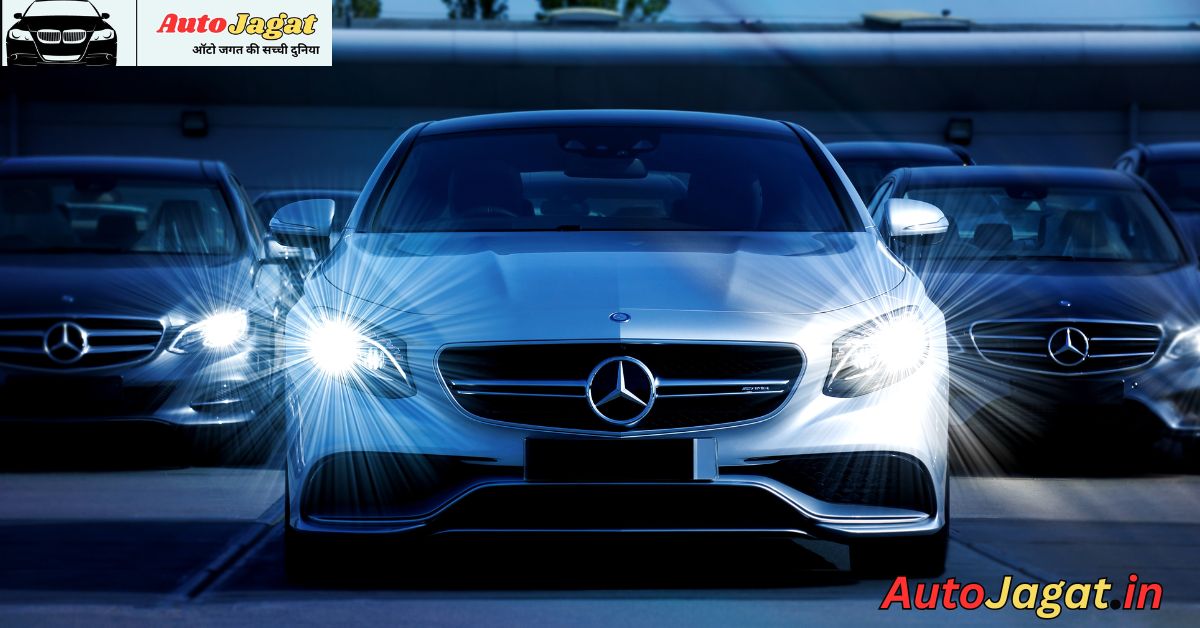
If Volkswagen put the world on wheels, Mercedes-Benz invented the wheels. With Karl Benz patenting the very first petrol-powered motor car in 1886, the Stuttgart-based manufacturer has earned its place as the undisputed standard-bearer for prestige and automotive innovation.
- The Philosophy: “The Best or Nothing.”
- The Modern Identity: Mercedes-Benz cars are defined by unmatched refinement, whisper-quiet cabins, and cutting-edge tech deployment. Their flagship S-Class limousine acts as a crystal ball for the automotive industry; whatever technology debuts on an S-Class typically becomes standard on regular cars a decade later.
3. BMW: The Ultimate Driving Machine
While Mercedes-Benz caters to the passenger in the back seat, BMW (Bayerische Motoren Werke) focuses entirely on the person holding the steering wheel. Hailing from Munich, Bavaria, BMW carved out its territory by injecting pure athletic soul into everyday sedans and SUVs.
- The Philosophy: Joy through driving dynamics and mechanical connection.
- The Modern Identity: Known for its signature kidney grille and driver-centric cockpit layouts, BMW’s core strength lies in its near-perfect 50:50 front-to-rear weight distribution and razor-sharp handling. Models like the iconic 3 Series remain the gold standard by which all executive sport sedans are judged.
4. Audi: The Vanguard of Tech
Born from the historic Auto Union alliance and sporting the iconic four interlocking rings, Ingolstadt-based Audi spent the late 20th century redefining how a car transfers power to the ground.
- The Philosophy: “Vorsprung durch Technik” (Progress through Technology).
- The Modern Identity: Audi successfully bridged the gap between luxury and performance by introducing the world to Quattro—a legendary permanent all-wheel-drive system born in the brutal world of World Rally Championship racing. Today, Audi is famous for its ultra-sleek lighting designs, class-leading digital cockpits, and a sophisticated, understated design language that appeals to modern tech-enthusiasts.
5. Porsche: The Benchmark of Sports Excellence
Though technically a subsidiary under the massive Volkswagen Group umbrella, Porsche operates with an independent, unmatched pedigree out of Stuttgart. It is a brand that refuses to compromise on motorsports capability, seamlessly blending daily-driver usability with track-slaying performance.
- The Philosophy: Uncompromised sports performance and engineering perfection.
- The Modern Identity: The soul of Porsche revolves around the legendary rear-engine 911, a sportscar architecture honed over half a century into near-flawless execution. Beyond sports cars, Porsche famously revolutionized the luxury SUV space with the Cayenne and has set benchmarks for electric vehicle dynamics with the breathtaking Taycan.
At a Glance: Understanding the German Big Five
To easily grasp how these automotive heavyweights segment themselves, look at how they approach a driver’s unique desires:
| Brand | Headquarters | Core Specialty | Definitive Benchmark Model |
| Volkswagen | Wolfsburg | Practicality, value, and mass appeal | Golf / ID.4 |
| Mercedes-Benz | Stuttgart | Opulent luxury, comfort, and safety pioneer | S-Class |
| BMW | Munich | Aggressive handling and driver engagement | 3 Series / M3 |
| Audi | Ingolstadt | All-weather Quattro grip and futuristic tech | A6 / e-tron GT |
| Porsche | Stuttgart | Pure sports car pedigree and mechanical precision | 911 |
The Verdict: A Shared Legacy of Innovation
What makes the Big Five German automakers truly fascinating isn’t just their individual success, but how they push one another to evolve. When BMW crafts a sharper chassis, Audi develops a smarter all-wheel-drive system to grip the tarmac tighter. When Mercedes-Benz builds a more luxurious cabin, Volkswagen finds a way to make those premium textures affordable for the everyday family.
As the automotive landscape undergoes its biggest shift toward electrification and software-defined platforms, Germany’s Big Five continue to prove that no matter how the powertrain changes, their commitment to the thrill of the drive remains unshakeable.

Hello, my name is Himanshu Kumar and I am an experienced Digital Marketer. I have been blogging for the last 4 years and I have special interest in SEO. Here I give you easy bikes and writes easy-to-understand reviews and news about the latest bikes, helping readers choose the best options.. My aim is to always provide you with accurate, new and useful information.