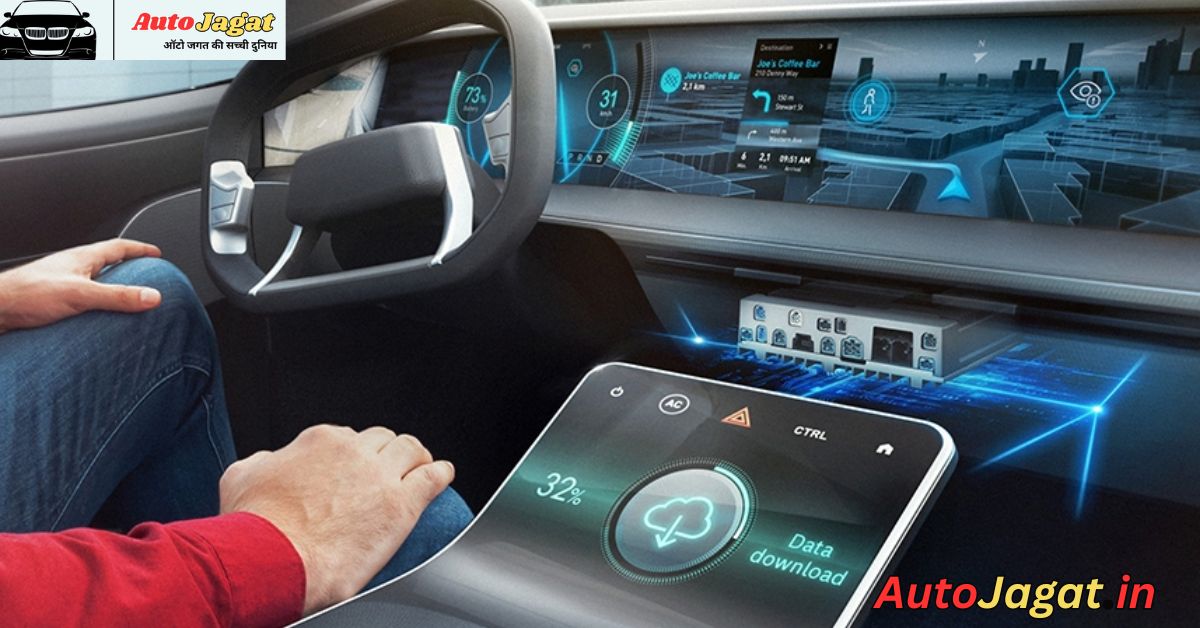
Bosch, The world’s largest automotive supplier, has unveiled a groundbreaking AI-powered cockpit system that leverages Nvidia’s advanced chips and Microsoft’s software tools to turn vehicles into intelligent, self-learning companions. Revealed at CES 2026 in Las Vegas, this innovation marks a decisive step in the evolution of connected mobility, aiming to make cars more responsive, predictive, and personalized than ever before.
The Vision: Cars as Intelligent Partners
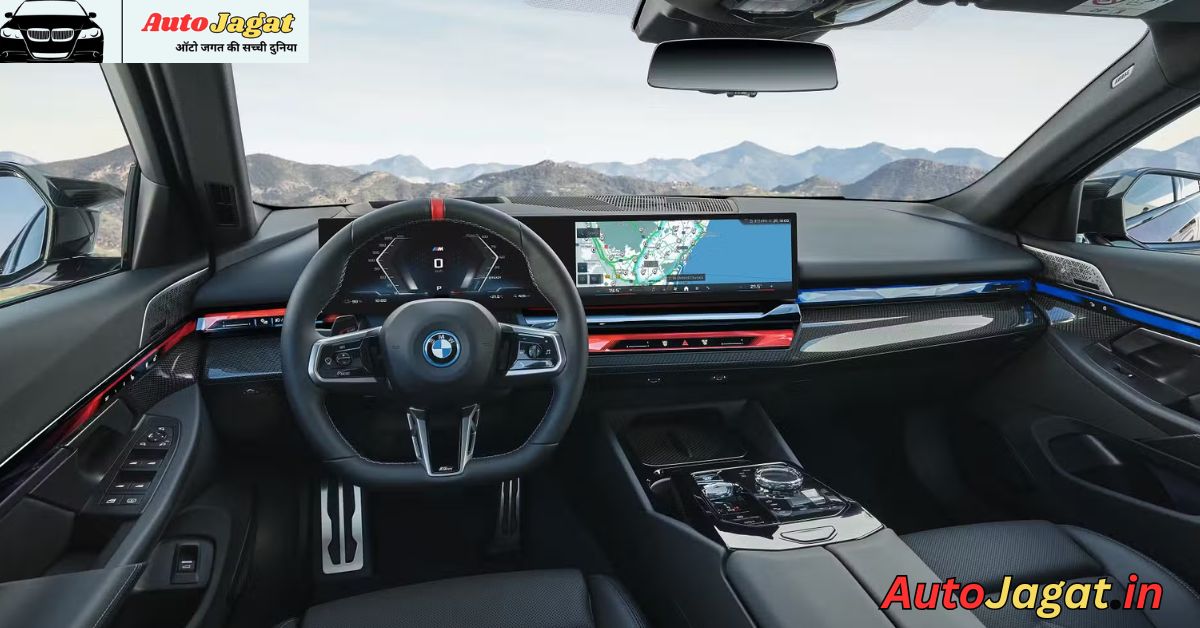
Bosch’s new AI platform is designed to redefine the driving experience. Instead of being just a means of transport, vehicles equipped with this system become proactive companions that understand driver routines, preferences, and context.
- Voice Assistant Evolution: Unlike traditional assistants, Bosch’s AI doesn’t just respond to commands—it anticipates needs. For example, if a driver says “I’m cold,” the system can automatically adjust the climate control.
- Integration with Microsoft Teams: Drivers can join meetings or calls seamlessly using voice commands, making cars an extension of the workplace.
- Self-Learning Capabilities: The cockpit adapts over time, learning from driver behavior to offer tailored suggestions and adjustments.
The Technology Behind It
Bosch’s AI cockpit is powered by Nvidia’s Orin system-on-chip, a high-performance computing platform designed for autonomous and connected vehicles. Combined with Microsoft’s cloud and AI tools, the system delivers real-time processing, predictive analytics, and seamless connectivity.
Key features include:
- AI Extension Platform: Allows existing cockpit systems to be quickly upgraded with AI functions without changing core electronics.
- Scalability: Designed to work across different vehicle categories, from entry-level cars to premium models.
- Safety and Comfort: AI-driven monitoring enhances driver awareness, reduces distractions, and improves passenger comfort.
Market Impact and Business Strategy
Bosch is positioning this innovation as a major revenue driver. The company aims to generate over €2 billion (US$2.35 billion) in infotainment sales by 2030.
- Automotive Transformation: With software becoming the core of modern vehicles, Bosch is ensuring it remains a leader in the shift from hardware-centric to software-defined cars.
- Partnerships: Collaborating with Nvidia and Microsoft gives Bosch access to cutting-edge AI hardware and cloud ecosystems, strengthening its competitive edge.
- Global Reach: As vehicles worldwide adopt connected technologies, Bosch’s AI cockpit could become a standard feature across multiple brands.
Why It Matters for Drivers
For everyday users, Bosch’s AI system promises a smarter, safer, and more enjoyable driving experience:
- Personalization: Cars that remember your seat position, favorite music, and preferred routes.
- Productivity: Seamless integration with digital tools like Microsoft Teams for work on the go.
- Safety Enhancements: AI monitoring can detect fatigue, distractions, or unsafe driving patterns.
- Entertainment: Advanced infotainment systems powered by Nvidia chips deliver immersive audio-visual experiences.
Challenges and Considerations
While the technology is promising, several challenges remain:
- Privacy Concerns: AI systems that learn driver habits must ensure data security.
- Cost: Advanced AI cockpits may initially be limited to premium vehicles.
- Adoption Curve: Widespread integration will depend on automakers’ willingness to adopt Bosch’s platform.
Conclusion: A New Era of Smart Mobility
Bosch’s AI-powered cockpit, built on Nvidia’s high-performance chips and Microsoft’s AI tools, represents a bold leap toward the future of driving. By turning vehicles into intelligent, adaptive companions, Bosch is not only enhancing comfort and safety but also reshaping the very nature of mobility.
As cars evolve into software-defined machines, Bosch’s innovation could become the blueprint for how AI transforms the automotive industry—making driving more intuitive, connected, and personalized than ever before.

Hello, my name is Himanshu Kumar and I am an experienced Digital Marketer. I have been blogging for the last 4 years and I have special interest in SEO. Here I give you easy bikes and writes easy-to-understand reviews and news about the latest bikes, helping readers choose the best options.. My aim is to always provide you with accurate, new and useful information.