
In the automotive world, timing is everything. A split-second delay on a production line can cost millions, and launching a vehicle at the wrong moment can tank a brand’s reputation. But back in late 2015, the Indian automotive giant Tata Motors faced a completely unprecedented marketing crisis—all because of a microscopic organism.
Tata had spent months pouring millions into a brilliant, highly anticipated new hatchback designed to revitalize its image among young, urban buyers. The car was stylish, packed with features, and ready to take the market by storm.

What’s in a Name? The “Zippy Car” Paradox
The name “Zica” was originally derived from a punchy combination of two words: Zippy Car. It was meant to convey agility, youthfulness, and fun. Tata even went as far as hiring global football megastar Lionel Messi as their brand ambassador, splashing the “Zica” name across massive worldwide advertising campaigns.
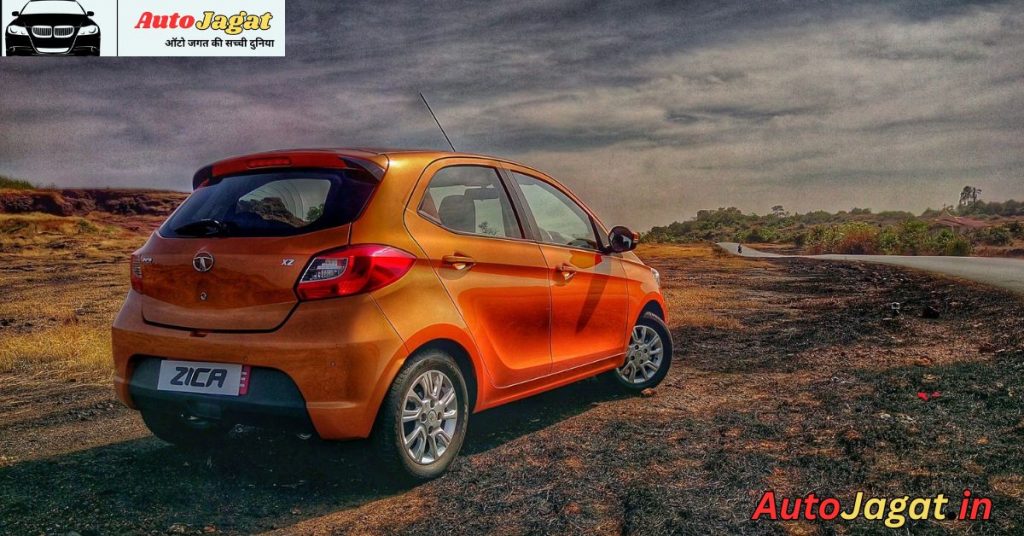
But just as the car was making its grand public debut at the Indian Auto Expo in early 2016, the world was hit by a major health crisis: the rapid global outbreak of the Zika virus.
Suddenly, a name meant to evoke fun, efficient city driving was inextricably linked with a scary, international medical emergency. Recognizing the social sensitivity and the potential public relations nightmare, Tata Motors made a incredibly brave, highly praised corporate decision. They announced that despite having already manufactured and branded the initial wave of cars, they would completely drop the name and delay the official commercial launch to find a replacement.
The Rebirth: Enter the Tata Tiago
Tata didn’t just pick a new name out of a hat. In an ingenious marketing move to salvage the car’s pre-launch hype, they launched a global crowdsourcing campaign called #FantasticoNameLab.
Fans and car enthusiasts from all over the world were invited to vote on a pool of potential replacements. After thousands of votes were tallied, a clear winner emerged.
The car was officially rebranded as the Tata Tiago.
The Legacy: How the “Zica” Saved Tata Motors
While the name change was a massive logistical headache, the actual vehicle underneath the badge was an absolute triumph.

Before the Tiago arrived, Tata Motors had a reputation for building utilitarian, taxi-focused vehicles like the Indica. The Tiago completely shattered that stereotype, introducing a fresh design philosophy called IMPACT design. It featured sharp, European-inspired styling, a beautifully sculpted front grille, and an upscale interior that looked far more expensive than its actual price point.
It also democratized high-end features for budget-conscious buyers, introducing an incredible 8-speaker Harman surround-sound system that completely outclassed its rivals. Furthermore, it laid the foundation for Tata’s modern reputation for safety, scoring a highly impressive 4-star Global NCAP safety rating.
Final Thoughts: A Name Forgotten, A Legend Born
Today, the name “Tata Zica” lives on as a fascinating piece of automotive trivia—a classic case study in corporate crisis management taught in business schools worldwide.
By listening to the public and choosing empathy over corporate stubbornness, Tata managed to turn a potential disaster into a massive victory. The Zica may have died before it ever hit the showroom floors, but as the Tiago, it went on to become one of the most successful, beloved, and defining hatchbacks in modern Indian history.

Hello, my name is Himanshu Kumar and I am an experienced Digital Marketer. I have been blogging for the last 4 years and I have special interest in SEO. Here I give you easy bikes and writes easy-to-understand reviews and news about the latest bikes, helping readers choose the best options.. My aim is to always provide you with accurate, new and useful information.