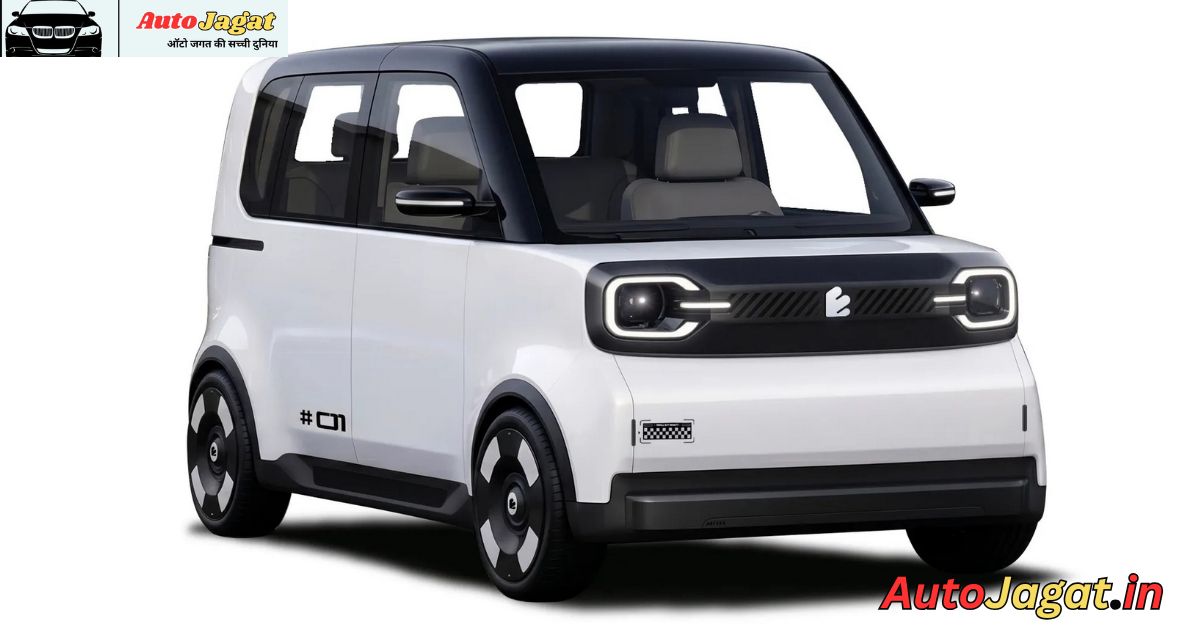
Chery has announced a bold move into Japan’s electric vehicle market through a new joint venture called Electric Mobility Technologies (EMT), launching the Emta brand. The first model, an electric kei car, will debut in 2027, aiming to rival BYD and local Japanese automakers.
The Strategic Partnership
- Joint Venture Structure: EMT is a Singapore-based collaboration between Chery Automobile (27.27%), Jiangsu Yueda Group (27.27%), Autobacs Seven (18.18%), Gotion High-Tech (18.18%), and Anest (9.09%).
- Roles:
- Chery provides vehicle architecture, electric drive systems, and ADAS technologies.
- Gotion supplies batteries.
- Yueda handles production at its Yancheng plant.
- Autobacs Seven manages sales channels in Japan.
- Anest oversees quality assurance.
Emta’s First Model: The Kei Car
- Launch Date: Scheduled for 2027.
- Design: Compact, boxy proportions resembling a five-door version of Chery’s QQ Ice Cream EV.
- Dimensions: 3.4 meters long, 1.48 meters wide — compliant with Japan’s kei car regulations.
- Technology: Equipped with Chery’s electric drive system, ADAS, and Gotion’s battery pack.
- Pricing Goal: Comparable to gasoline-powered kei cars, around ¥1.74 million (Honda N-Box benchmark).
Expansion Plans
- Lineup Growth: By 2029, Emta will introduce four models — kei car, hatchback, SUV, and minivan.
- Sales Network: Plans to establish 100 sales and service locations across Japan.
- Future Manufacturing: If successful, Emta may build a local plant in Japan after 2030.
Competitive Landscape
- BYD Rivalry: Emta’s kei car will directly compete with BYD’s Racco, priced around ¥2.5 million.
- Local Competition: Japanese kei car leaders like Honda N-Box and Suzuki Wagon R dominate the market, making Emta’s entry ambitious.
- Market Opportunity: Kei cars account for one-third of new car sales in Japan, but most remain gasoline-powered — leaving room for affordable EVs.
Risks and Challenges
- Consumer Trust: Japanese buyers are traditionally loyal to domestic brands.
- Infrastructure: EV charging networks in Japan are still developing, which could limit adoption.
- Pricing Pressure: To succeed, Emta must balance affordability with advanced features.
Final Thoughts
Chery’s Emta joint venture represents a strategic fusion of Chinese EV technology and Japanese market expertise. By targeting the kei car segment, Emta is positioning itself in one of Japan’s most competitive yet promising niches. If successful, this venture could reshape Japan’s urban mobility landscape and accelerate the shift toward electrification.

Hello, my name is Himanshu Kumar and I am an experienced Digital Marketer. I have been blogging for the last 4 years and I have special interest in SEO. Here I give you easy bikes and writes easy-to-understand reviews and news about the latest bikes, helping readers choose the best options.. My aim is to always provide you with accurate, new and useful information.