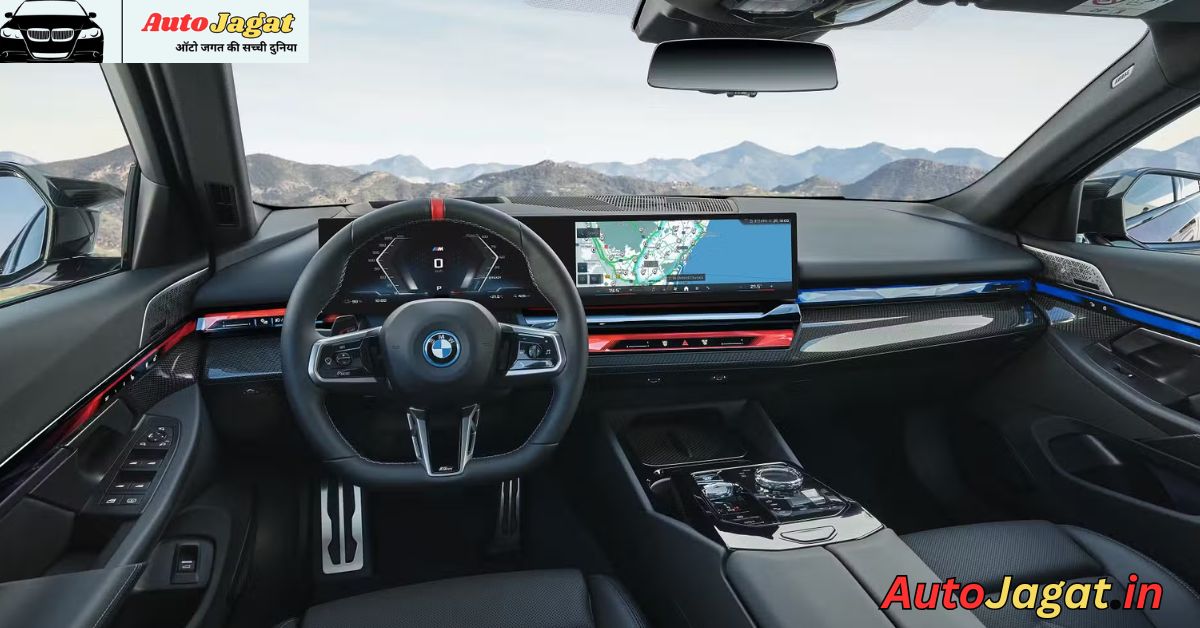
China’s Supreme People’s Court has issued a landmark ruling that reshapes the legal landscape for assisted driving technologies. As automation becomes more common in vehicles, the court has clarified that drivers remain fully responsible for road safety—even when advanced driver-assistance systems (ADAS) are active. This decision sets a nationwide precedent and is expected to influence both consumer behavior and the automotive industry’s future in China.
The Ruling Explained
The court’s decision emphasizes that assisted driving systems, no matter how advanced, do not legally replace the human driver. Key points include:
- Driver Responsibility: The person behind the wheel is always accountable for the vehicle’s actions.
- No Excuse for Negligence: Sleeping, using a phone, or driving under the influence while relying on automation can lead to criminal charges.
- Unauthorized Devices: Installing aftermarket gadgets to “cheat” driver monitoring systems increases liability.
This ruling was prompted by cases where drivers misused assisted driving features, including one incident where a man activated his car’s system while drunk and asleep, using a device to trick sensors into believing he was attentive.
Why This Matters
China is one of the fastest-growing markets for smart and autonomous vehicles. With automakers investing heavily in ADAS and autonomous driving, the ruling provides clarity on legal accountability.
- For Drivers: It reinforces the need to remain alert and engaged, even when automation is active.
- For Automakers: It sets boundaries on how driver-assist features can be marketed and used.
- For Regulators: It establishes a benchmark for future laws governing autonomous mobility.
Implications for the Auto Industry
The decision has wide-ranging consequences:
- Consumer Trust: While ADAS improves safety, drivers may now be more cautious about over-relying on technology.
- Product Design: Automakers may strengthen driver monitoring systems to prevent misuse.
- Legal Standards: The ruling positions China as a global leader in setting legal frameworks for assisted driving.
Balancing Innovation and Safety
China’s auto industry is racing ahead with innovations in electric and autonomous vehicles. Yet, this ruling highlights the balance between technological progress and human responsibility. Assisted driving can reduce accidents, but it cannot eliminate the need for human oversight.
The court’s stance echoes global debates: in the U.S. and Europe, regulators are also grappling with how to assign liability in semi-autonomous driving scenarios. China’s ruling may influence international discussions by reinforcing the principle that technology assists, but does not replace, the driver.
Conclusion
China’s Supreme Court ruling is a pivotal moment in the evolution of mobility. By affirming that drivers remain legally responsible, it ensures that safety and accountability stay at the forefront of innovation.
As assisted driving systems become more sophisticated, this decision serves as a reminder: automation is a tool, not a substitute for human judgment. The future of mobility will depend not only on smarter cars but also on smarter, more responsible drivers.

Hello, my name is Himanshu Kumar and I am an experienced Digital Marketer. I have been blogging for the last 4 years and I have special interest in SEO. Here I give you easy bikes and writes easy-to-understand reviews and news about the latest bikes, helping readers choose the best options.. My aim is to always provide you with accurate, new and useful information.