For nearly two decades, the Nissan R35 GT-R stood as the “giant killer” of the automotive world. It was a car that defied physics, embarrassed European exotics three times its price, and earned the nickname Godzilla through sheer, brutal competence. But as the R35 finally ceases production in 2025, a heavy silence has hung over the enthusiast community. Was the legend dead? Was the future nothing but silent electric motors and soul-less tablets on wheels?
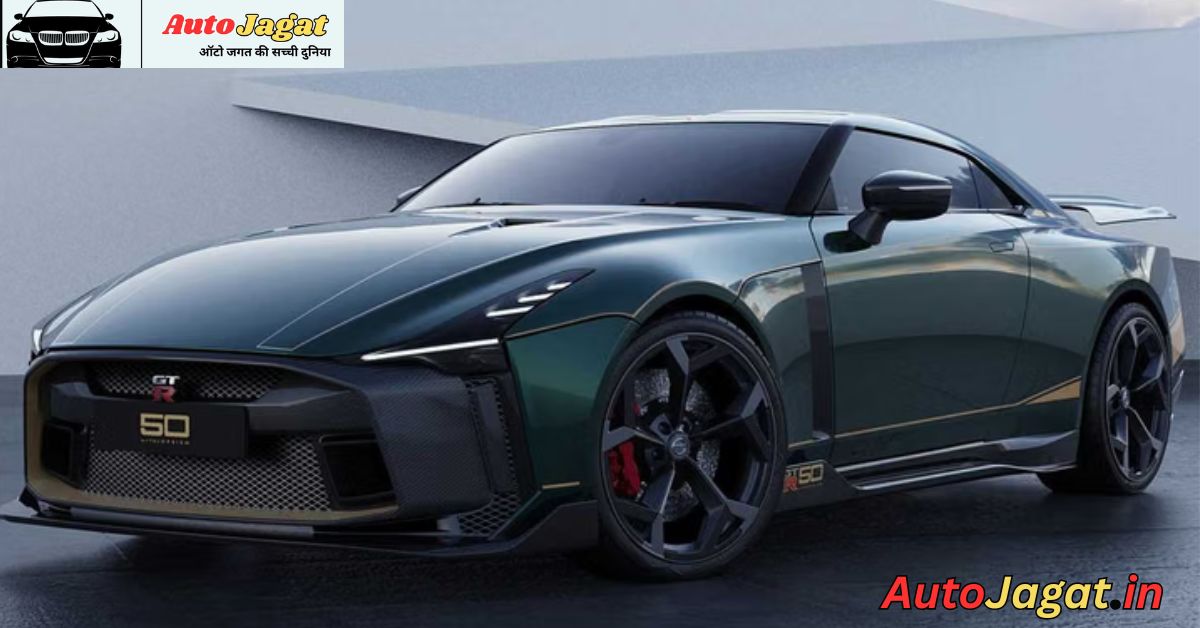
Nissan has finally broken that silence. At the 2026 New York Auto Show, the message was clear: Godzilla isn’t dead—it’s evolving. The R36 GT-R is officially on the horizon, and it’s bringing a high-voltage heartbeat to the legendary VR38 recipe.
The Heart of the Beast: VR38 Meets Volts
The most significant news for purists is what lies under the hood. While many feared the R36 would be a silent, all-electric hypercar based on the radical “Hyper Force” concept, Nissan’s leadership has confirmed a different path. Ponz Pandikuthira, Senior Vice President for Nissan North America, revealed that the next-gen GT-R will likely retain the soul of the R35: the VR38DETT twin-turbo V6.
“The block of that VR38 engine is so great. Why would you throw that away?”
However, this isn’t a simple carryover. To meet the grueling Euro 7 emissions standards and stay relevant in a greening world, the R36 is going hybrid. By heavily reworking the top end—heads, pistons, and combustion cycles—and pairing it with an electric motor, Nissan aims to create a “fire-breathing” V6 that can still navigate a low-emission city center.
Why Not Full Electric?
You might wonder why Nissan is “playing it safe” with a hybrid rather than going full EV. The answer lies in the Nürburgring.
Nissan’s engineers have been testing electric prototypes for years, but the results didn’t meet the “GT-R standard.” Current EV tech allows for one blistering lap of the ‘Ring, followed by a mandatory cooling and charging session. For a car built on the philosophy of relentless, repeatable performance, that simply wasn’t “authentic.” The R36 needs to be able to lap the Green Hell all day long, and for now, that requires high-octane fuel and a sophisticated hybrid system.
A New Foundation: The R36 Chassis
While the engine block might have familiar DNA, the rest of the car is a clean-sheet design. Nissan has confirmed the R36 will sit on an all-new chassis.
The goal for the R36 is to be a “professional machine.” While the Nissan Z is the car for the weekend enthusiast, the GT-R remains a serious tool for the track. Expect:
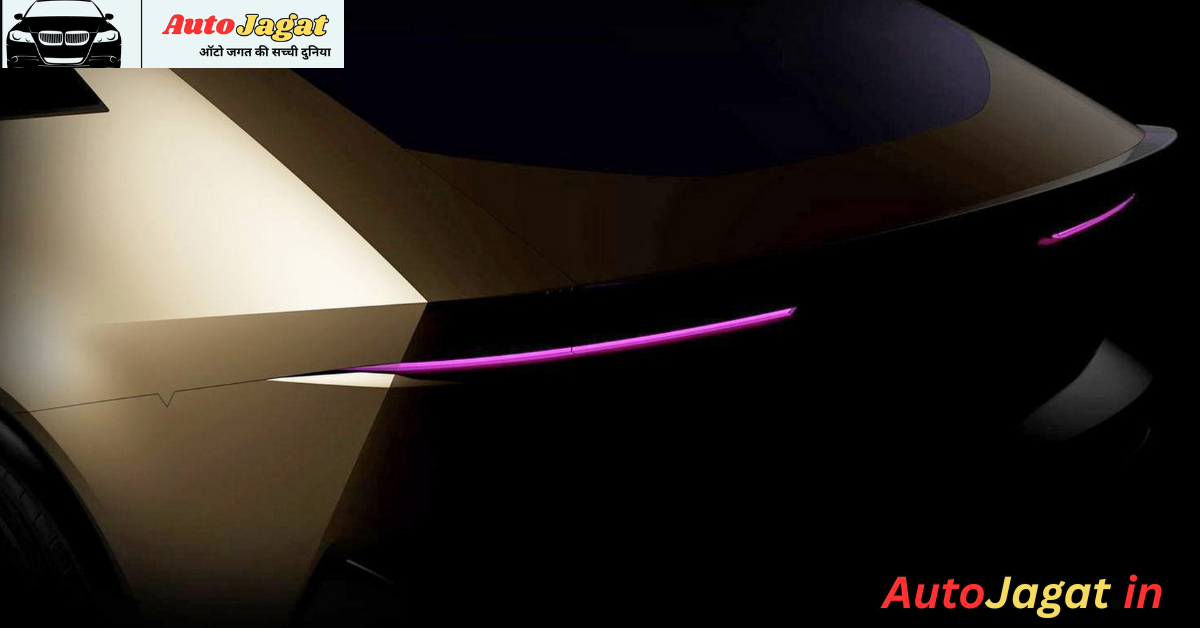
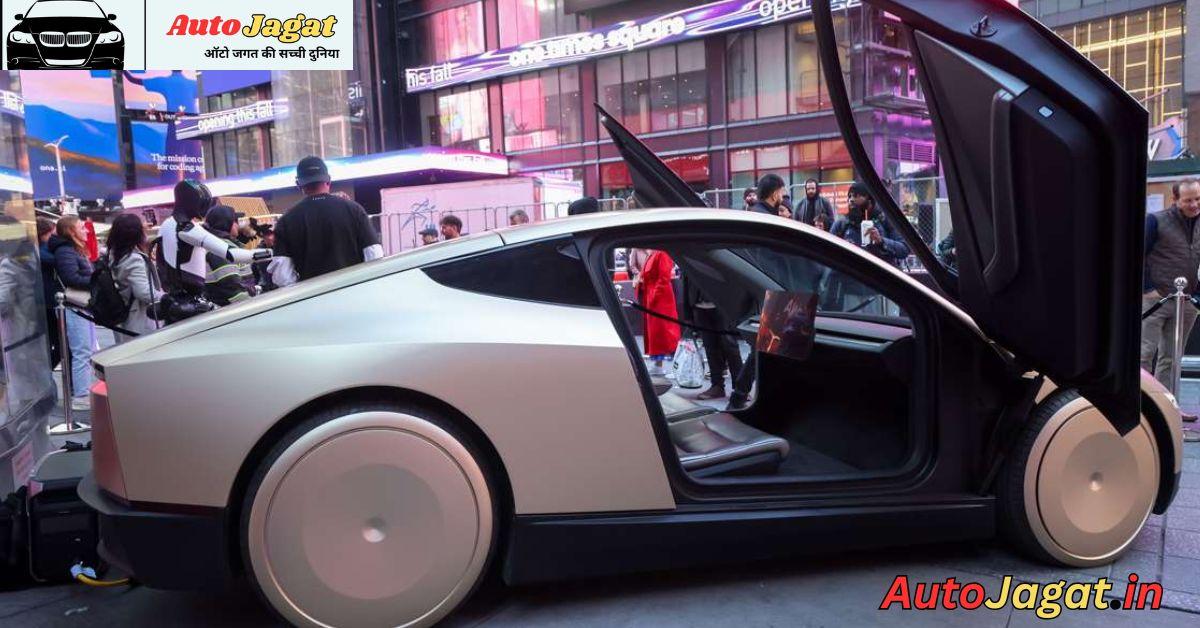
- Advanced Aerodynamics: Likely drawing inspiration from the aggressive, “pixelated” styling of the Hyper Force concept.
- Next-Gen ATTESA E-TS: A modernized version of Nissan’s legendary all-wheel-drive system, now capable of even more precise torque vectoring thanks to electric motor assistance.
- Solid-State Aspirations: While the initial R36 will likely use traditional lithium-ion or high-output capacitors, Nissan is eyeing 2028 for solid-state battery breakthroughs that could eventually find their way into higher-performance Nismo variants.
The Timeline: When Can We Buy One?
Don’t reach for your checkbook just yet. Nissan is taking a methodical approach to ensure the R36 lives up to the weight of its badge.
| Milestone | Expected Date |
| Concept Reveal | Late 2026 / 2027 |
| Concrete Production News | 2028 |
| Official Launch | 2029 / 2030 |
The gap between the end of R35 production (2025) and the R36 launch might feel like an eternity, but it’s a familiar pattern. There was a 16-year gap between the R32 and the original Skyline GT-R, and a 5-year gap between the R34 and R35. Nissan knows that a GT-R isn’t just another car; it’s a “technological halo” that defines the brand for a decade.
The Verdict: A Future Worth Waiting For
The R36 GT-R represents a fascinating middle ground. It acknowledges that the era of pure internal combustion is closing, yet it refuses to sacrifice the mechanical visceralness that makes a GT-R a GT-R. It’s a car designed to be a “global machine”—capable of clearing snow in Hokkaido, carving canyons in Malibu, and setting records at the Nürburgring.
By keeping the V6 heart and adding an electric punch, Nissan is ensuring that when Godzilla finally returns, it won’t just be a quiet ghost of its former self. It will be louder, faster, and more dominant than ever.

Hello, my name is Himanshu Kumar and I am an experienced Digital Marketer. I have been blogging for the last 4 years and I have special interest in SEO. Here I give you easy bikes and writes easy-to-understand reviews and news about the latest bikes, helping readers choose the best options.. My aim is to always provide you with accurate, new and useful information.