In an era where “sustainability,” “efficiency,” and “electrification” are the buzzwords dominating the automotive boardroom, the V12 engine should, by all logical accounts, be extinct. Yet, in May 2026, if you stand on a street corner in South Mumbai or Gurugram, you might still hear a sound that defies the quiet hum of progress: the symphonic, mechanical scream of twelve cylinders firing in perfect unison.
The V12 engine remains the ultimate expression of automotive excess and engineering art. In India, a market that has traditionally favored fuel-sipping hatchbacks, the V12 has carved out a sanctuary among the elite. It isn’t just an engine; it’s a statement of status, a piece of kinetic sculpture, and increasingly, a rare collectible.
1. The 2026 V12 Landscape: Survival of the Fittest
While many mainstream manufacturers have downsized to turbocharged V6s or 4-cylinder hybrids, the ultra-luxury segment in India has doubled down on the 12-cylinder format. As of 2026, the “V12 Club” in India remains exclusive but surprisingly vibrant:
| Model | Engine Type | Approx. Price (Ex-Showroom) |
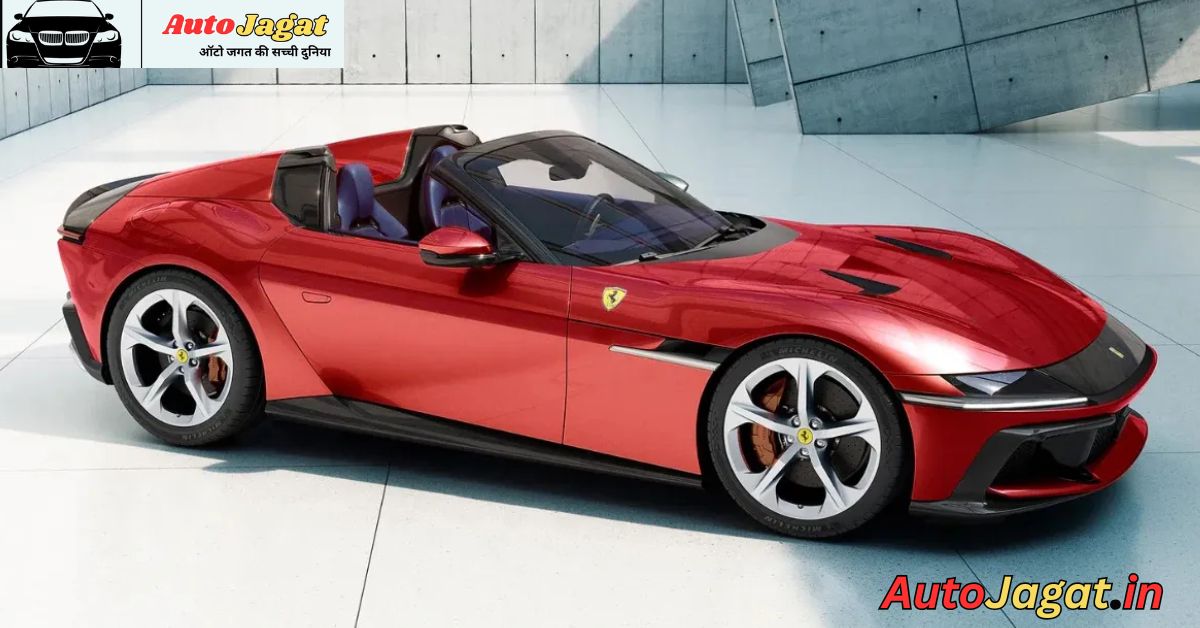
| Ferrari 12Cilindri | 6.5L Naturally Aspirated V12 | ₹8.50 – ₹9.15 Crore |
| Lamborghini Revuelto | 6.5L V12 Hybrid (PHEV) | ₹8.89 Crore |
| Rolls-Royce Phantom | 6.75L Twin-Turbo V12 | ₹10.00 – ₹12.00 Crore |
| Aston Martin Vanquish | 5.2L Twin-Turbo V12 | ₹8.50+ Crore |
The entry of the Ferrari 12Cilindri in early 2025 was a pivotal moment for Indian enthusiasts. By naming the car after its engine, Ferrari sent a clear message: the V12 is the soul of the brand, and it isn’t going anywhere yet.
2. Hybridization: The V12’s Life Support
In 2026, the V12 is surviving through a clever bit of “diplomacy”—hybridization. The Lamborghini Revuelto is the poster child for this new era. By pairing a screaming 6.5-liter V12 with three electric motors, Lamborghini has created a car that produces over 1,000 hp while technically meeting tighter global emission standards.
In India, this hybrid setup is a tactical advantage. It allows for silent, electric-only “stealth” driving through congested residential areas or crawling traffic, only to unleash the full V12 fury once the road opens up on the Mumbai-Nagpur Samruddhi Expressway.
3. Why the V12 Still Matters to the Indian Collector
You might ask: Why pay ₹10 Crore for a V12 when an electric supercar can do 0-100 km/h just as fast? For the Indian HNI (High Net-Worth Individual), the answer is three-fold:
- Emotional Resonance: An electric motor is a tool; a V12 is a living thing. The vibration through the seat, the rising crescendo of the exhaust, and the tactile feel of a naturally aspirated engine are irreplaceable sensory experiences.
- Legacy and Resale: As the world moves toward EVs, the last generation of V12 internal combustion engines (ICE) are becoming “Blue Chip” investments. In the Indian pre-owned market, rare V12 models like the Aventador Ultimae are already fetching premiums over their original sticker prices.
- The “Rolls-Royce” Standard: For brands like Rolls-Royce, the V12 isn’t about racing; it’s about “waftability.” No other engine configuration offers the same inherent balance and buttery-smooth power delivery. In a country where rear-seat comfort is king, the silent power of a V12 Phantom remains the gold standard.
4. The Regulatory Hurdle: Emissions and Compliance
Operating a V12 in India isn’t without its challenges. With BS7 (Bharat Stage 7) norms on the horizon and the recent 2026 amendments to the Central Motor Vehicles Rules focusing heavily on real-world driving emissions, these engines are under the microscope.
However, because these vehicles are imported in low volumes (CBUs), they often benefit from specific exemptions or are engineered to the highest global Euro 7 standards, ensuring they remain road-legal in India for years to come. The bigger challenge for owners remains the availability of high-octane (97-100 RON) fuel, which is essential to keep these high-compression masterpieces running smoothly.
Conclusion: A Glorious Sunset
The V12 engine in India is currently in its “Golden Hour”—that beautiful period before the sun sets on internal combustion. It is a time of incredible technological peaks, where engines are more powerful, reliable, and cleaner than ever before.
While the future of the Indian commute is undoubtedly electric, the V12 remains the high-performance heart of the automotive dream. It is a reminder of an era where engineering was measured not just by efficiency, but by the goosebumps it could provide.

Hello, my name is Himanshu Kumar and I am an experienced Digital Marketer. I have been blogging for the last 4 years and I have special interest in SEO. Here I give you easy bikes and writes easy-to-understand reviews and news about the latest bikes, helping readers choose the best options.. My aim is to always provide you with accurate, new and useful information.